


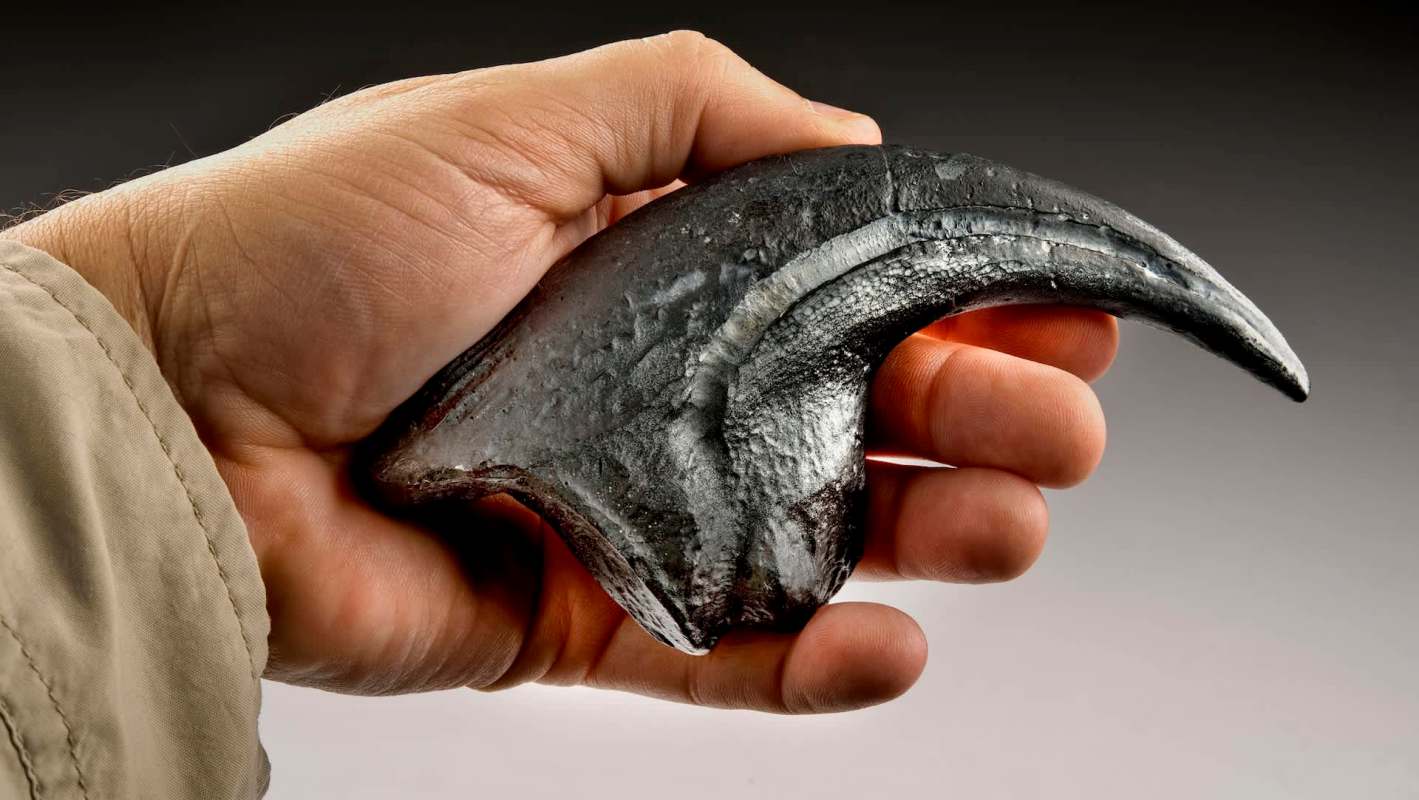
Scientists have discovered Velociraptor fossils in Argentina that have features similar to those found in China, over 11,800 miles away. That shared feature is helping researchers explore how closely connected some dinosaur lineages may have been in the ancient world.
What happened?
According to the South China Morning Post, paleontologists have been examining the dinosaur in southern Argentine Patagonia since 2018 and have identified it as a raptor they named Kank australis. One of its standout traits is a curved claw resembling the one well-known from velociraptors found in China.
"At first, we were not sure what it was because the fossil was embedded in the rock. Then we realised that it was a raptor," the research team said, as reported by the outlet.
Published in late May in the Journal of Vertebrate Paleontology, the findings indicate that the resemblance suggests the two predators were likely close relatives that descended from a common ancestor dating to a period when the continents were still joined as one vast landmass, SCMP reported.
Why does it matter?
The discovery adds to scientists' understanding of how dinosaurs spread and evolved when Earth looked very different from today. Finding such similar anatomy in animals uncovered on opposite sides of the globe can help scientists reconstruct ancient ecosystems, migration patterns, and the effects of shifting landscapes over millions of years.
Such findings further deepen scientists' picture of how life on Earth has responded to major environmental change over time.
TCD Picks » Quince Spotlight
💡These best-sellers from Quince deliver affordable, sustainable luxury for all




Researchers behind the study noted that the animal features were strikingly similar despite being discovered in vastly different geographic locations.
"What is remarkable is the preservation of certain anatomical structures in animals with very different lifestyles," Matias Motta, a postdoctoral researcher at the Bernardino Rivadavia Natural Sciences Museum and the study's lead author, told SCMP.

Get TCD's free newsletters for easy tips, smart advice, and a chance to earn $5,000 toward home upgrades. To see more stories like this one, change your Google preferences here.






