


A new digital archive is helping the vaquita, one of the world's rarest marine mammals, live in a strange way, according to Open Access Government.
As the most endangered marine mammal on the planet, the vaquita has been the frequent topic of conservation conversations. Sadly, its numbers have dropped sharply due to fishing and accidental entanglements.
The small porpoise is found only off of Mexico's northern Gulf of California, Open Access noted.
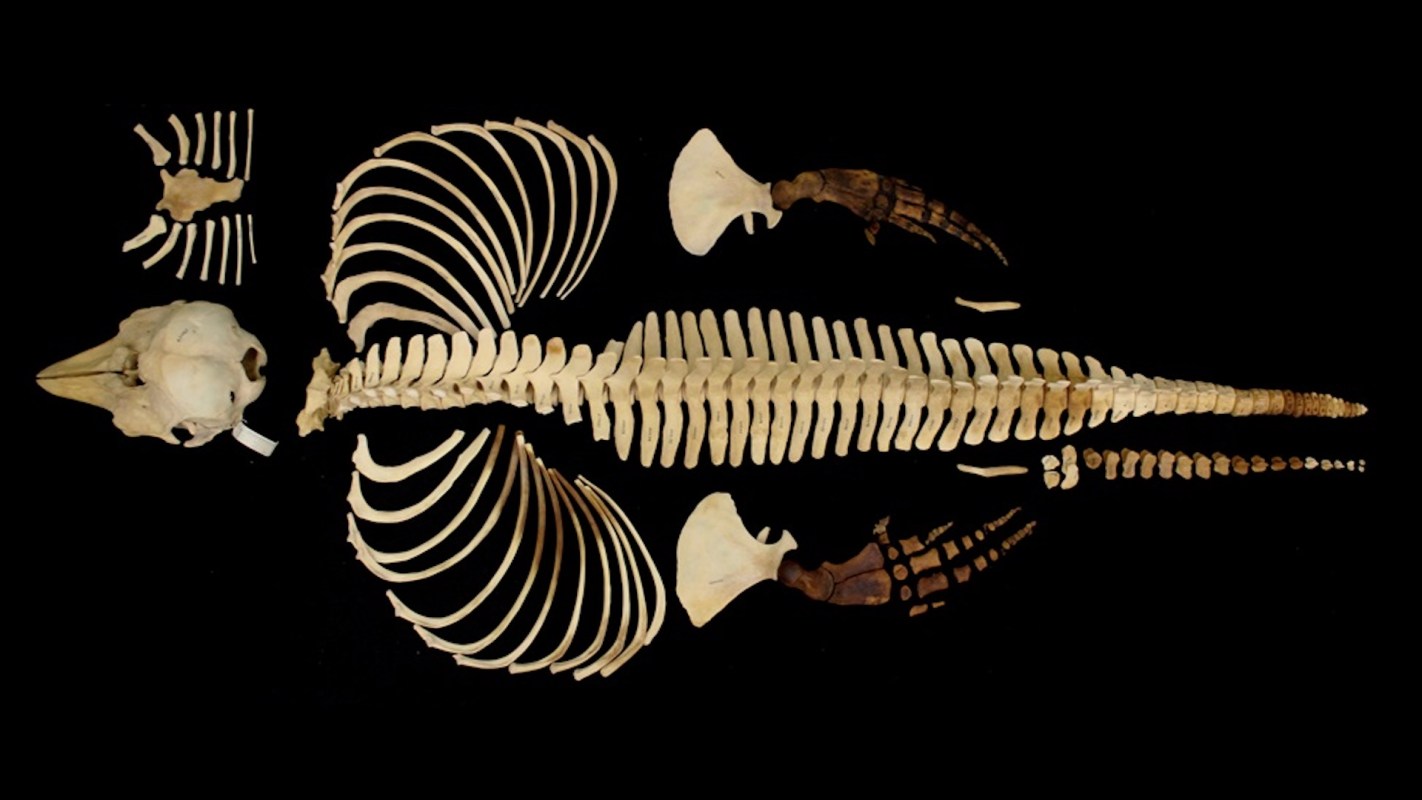
But now, anyone with the right tools can study, or even 3D print, a scientifically accurate and detailed vaquita skeleton. Thanks to the work of researchers out of Florida Atlantic University, the archive has cemented information about the vaquita into history.
Published in the peer-reviewed journal of Marine Mammal Science, the study includes a detailed online 3D record built from a vaquita specimen. The open access nature of the research allows students, scientists, and museums to use the resource.
The vaquita measures about 5 feet long and is known for the dark rings around its eyes and mouth. The archive was created from a complete female skeleton collected in 1966 and kept at the San Diego Natural History Museum.
TCD Picks » Quince Spotlight
💡These best-sellers from Quince deliver affordable, sustainable luxury for all




The researchers used medical CT scans, high-resolution photography, and micro-CT imaging to document both the bones' overall form and their tiny internal structures.
For a species with only a handful of individuals believed to remain, that level of access could help preserve knowledge and keep vaquita conservation alive.
Keeping an eye out for vaquitas in the wild could also help save the species. The Porpoise Conservation Society and Viva Vaquita also host International Save the Vaquita Day every year.
If vaquitas do disappear from the wild, this project would still preserve a precise scientific record of them. It also gives classrooms and conservation groups a tool for teaching ocean protection, which is vital for ecosystem health and, more broadly, our food supply.
The FAU researchers also noted that because vaquita remains are so scarce and delicate, direct handling must be strictly limited, making the digital archive especially valuable.

Get TCD's free newsletters for easy tips, smart advice, and a chance to earn $5,000 toward home upgrades. To see more stories like this one, change your Google preferences here.






