


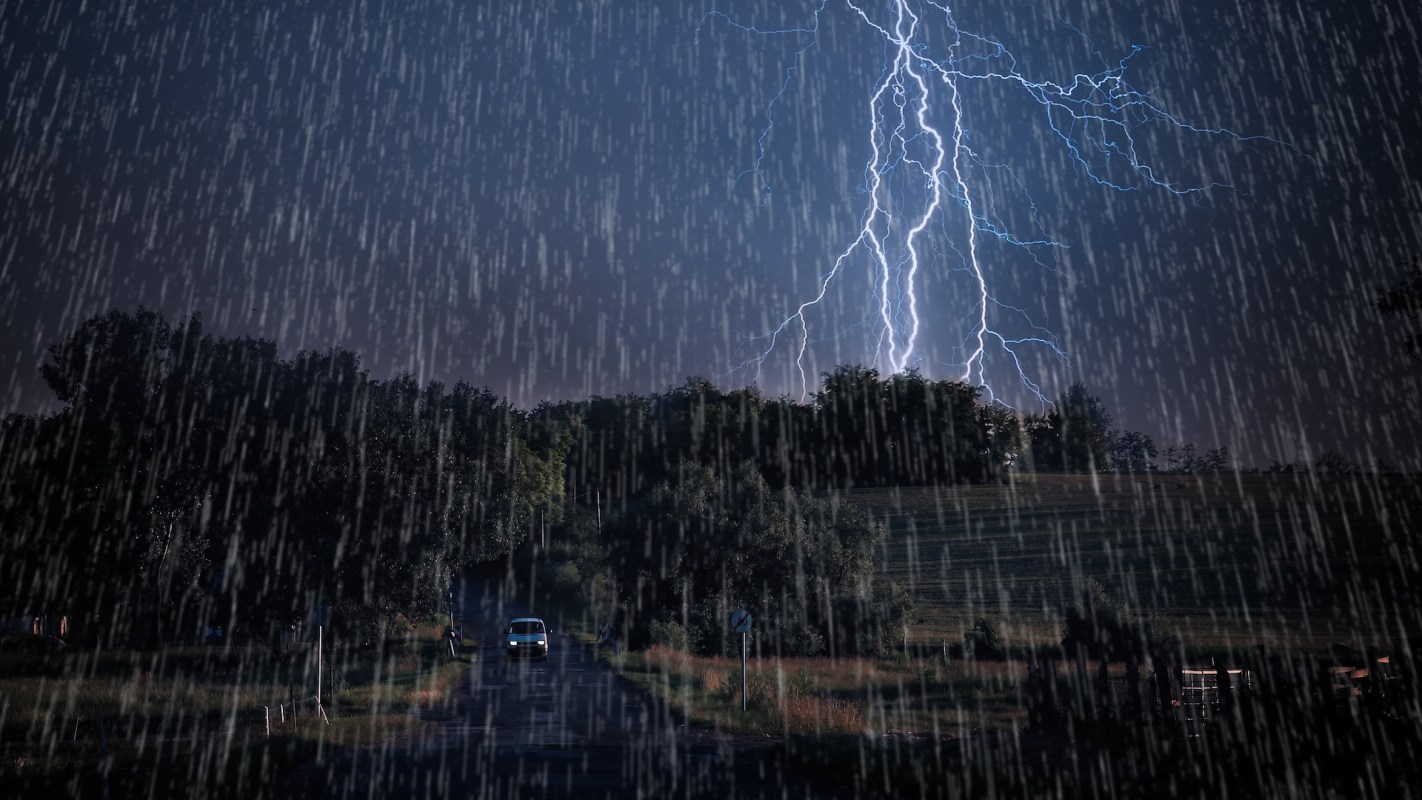
Utah's storm season is becoming a real test of how often and how seriously residents may need to respond to dangerous weather alerts.
Here's what to know
As Fox 13 News reported, Utah has received 175 flash flood warnings from the National Weather Service so far in 2026. That's the highest this total has been since 2008 and nearly two and a half times what the state would typically see in a year.
Severe thunderstorm warnings tell the same story. Utah has logged 156 of them in 2026, which is a record and nearly double the usual number. With more storms still moving through, both totals continue to climb.
Fox 13 stated that the Weather Service issued alerts by county through 2007. One warning could include an entire county even if the danger was limited to only part of it.
In 2008, forecasters began drawing warnings around the storm itself instead of around county boundaries. Because that more targeted approach was meant to reduce false alarms, 2008 is the fairest starting point for comparing Utah's warning totals.
More background
Looking farther back, two developments matter when comparing 2026 with earlier years. One was the arrival of Doppler radar in the 1990s; Fox 13 noted that it gave forecasters a way to see inside storms instead of only tracking their movement.
TCD Picks » Quince Spotlight
💡These best-sellers from Quince deliver affordable, sustainable luxury for all




Another was the shift described above that made storm alerts more precise. The system issuing these warnings in Utah is better designed to match the actual footprint of dangerous weather.
Building a statewide total also means combining information from more than one forecasting office. Utah is covered by National Weather Service offices in Salt Lake City and Grand Junction, Colorado. The Grand Junction office handles the eastern part of the state, including the Moab area.
A statewide comparison is possible because Iowa State University's Iowa Environmental Mesonet gathers warnings from all Weather Service offices and sorts them by state.
Where can I learn more?
Utah's 2026 storm season fits into a larger pattern of weather extremes and flooding threats across the state and beyond.
• Across the Southwest, potential disaster from flooding followed a rapidly weakening tropical storm.
• In Utah, a statewide drought emergency followed record-low snowpack and worsening water concerns.
• Fire restrictions returned in central Utah in June even after drought conditions eased.

Get TCD's free newsletters for easy tips, smart advice, and a chance to earn $5,000 toward home upgrades. To see more stories like this one, change your Google preferences here.






