


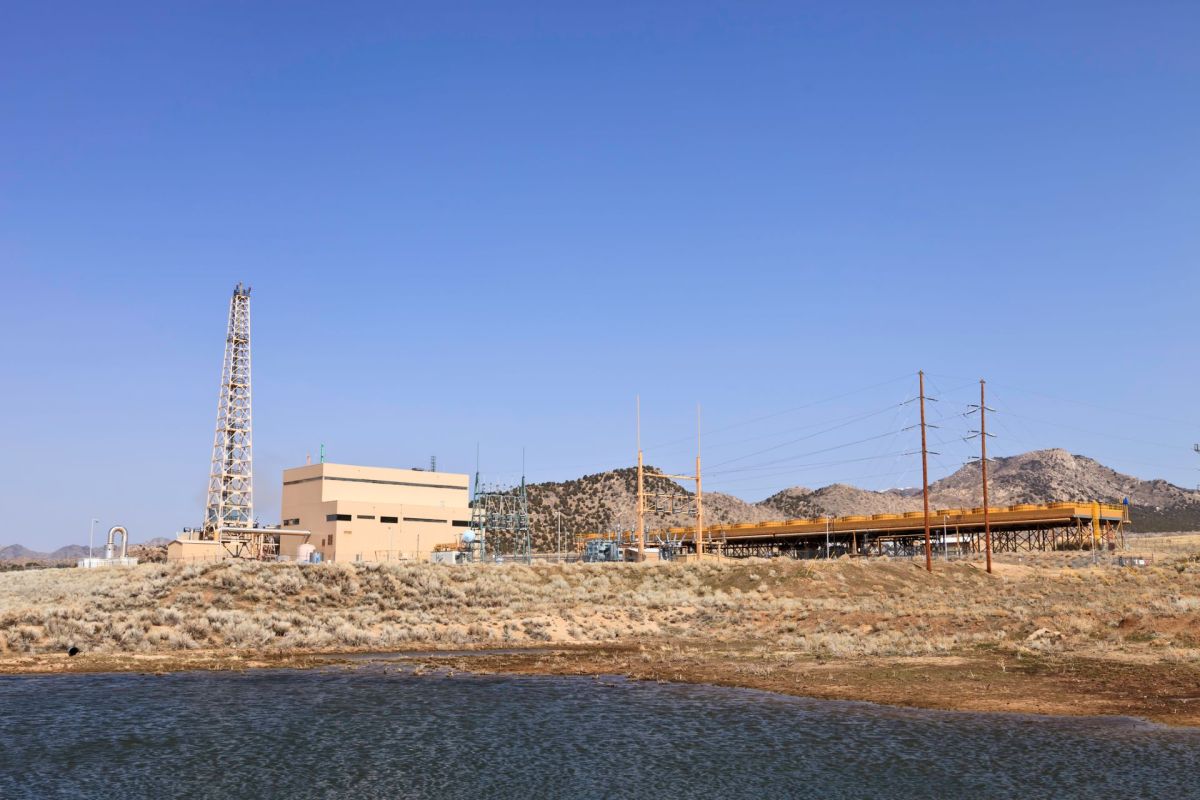
Utah has added a new form of clean energy to the grid at a time when electricity demand is climbing quickly. Fervo Energy said its Cape Station project is the first utility-scale, next-generation geothermal plant of its kind to begin delivering power.
That development could carry implications well beyond one state as households, cities, and businesses search for reliable electricity without the planet-warming pollution of fossil fuels, according to Fortune.
Here's what to know
On Thursday, the company said the first 33-megawatt unit at its Cape Station site in Beaver County had come online, making it the first utility-scale enhanced geothermal system project anywhere to reach first power.
Southern California Edison is the primary customer.
Cape Station's first phase is expected to total 100 megawatts, enough to serve about 70,000 homes, and Fervo said it will keep building out that phase through the end of the year.
A 400-megawatt second phase is under construction and slated to finish in 2028.
TCD Picks » Quince Spotlight
💡These best-sellers from Quince deliver affordable, sustainable luxury for all




A third phase would bring the site to 900 megawatts.
The artificial intelligence boom is adding to pressure on the grid as electricity demand climbs, and geothermal differs from wind and solar in that it can supply power around the clock.
More background
Conventional geothermal plants depend on naturally occurring underground reservoirs, which restricts where they can be built.
Fervo focuses on enhanced geothermal systems, or EGS, which use advanced drilling methods to create usable reservoirs in more places.
To make that work at Cape Station, wells are drilled roughly 10,000 feet down and then about 7,500 feet sideways.
Rock is then fractured to reach water hotter than 400 degrees below ground, with that heat producing steam to turn turbines for electricity before the cooled water is pumped back underground to warm up again.
Jack Norbeck, Fervo co-founder and chief technology officer, discussed the project in a statement.
"Cape Station works because we treated the subsurface like an engineering challenge. Years of drilling, completion design, subsurface modeling, and flow testing led to this moment, and this is the validation that matters most," he explained.
"First power is proof the science works."
What's being done?
With Cape Station, Fervo is trying to demonstrate that next-generation geothermal can become large-scale infrastructure rather than remain confined to pilot projects.
Its earlier Project Red pilot went online in 2023, and Cape Station marks the company's first utility-scale EGS development.
The next major challenge is making next-generation geothermal economically competitive at scale.
In a statement, Fervo co-founder Tim Latimer expressed his excitement about the build-out.
"This is a game changer for the geothermal industry. It establishes EGS as the defining new power generation technology of our time, and we believe it shows that the commercial and technical maturity of EGS is ready to meet the urgent need for reliable, clean power."
"We are just getting started," Latimer added.
Where can I learn more?
Geothermal's growth isn't happening in isolation. These stories cover Fervo's earlier results, data-center demand, transmission hurdles, and other companies racing to expand the technology.
• Google has backed enhanced geothermal plants in Nevada as data centers seek steady clean electricity.
• Fervo's Utah testing delivered record-setting output from underground heat, strengthening confidence in utility-scale EGS.
• Fervo's Western expansion now faces a major transmission bottleneck, even as geothermal potential grows.
• Across the industry, earth-shattering advancements in geothermal are pushing dependable clean power forward.

Get TCD's free newsletters for easy tips, smart advice, and a chance to earn $5,000 toward home upgrades. To see more stories like this one, change your Google preferences here.






