


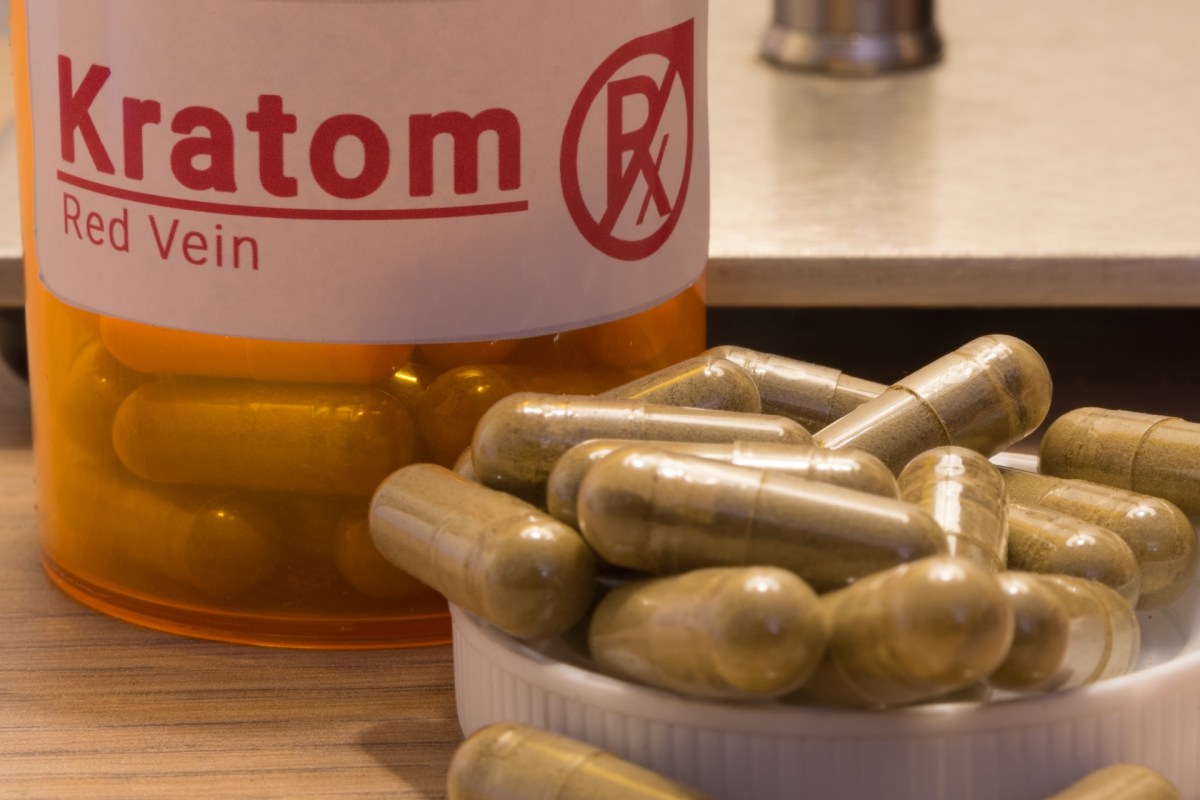
The investigation of four linked deaths in Utah has led regulators to examine products marketed as herbal "cat's claw" supplements after kratom-derived opioid compounds were found in them.
Here's what to know
KUTV reported the four deaths occurred over a four-month period and were all tied to products sold at smoke shops and gas stations. State officials said the items were promoted as "kratom-free" alternatives, yet testing found mitragynine pseudoindoxyl, or MGPI, and MGM-15 — Schedule I controlled substances.
Megan Broekemeier, a forensic epidemiologist at the Utah Department of Health and Human Services, said, "They're very potent, much more potent than regular mitragynine," noting they're also "much more potent than even morphine."
Broekemeier said the cases "are not concentrated to a specific area of the state."
More background
Officials said ordinary cat's claw is a botanical supplement and is not expected to produce the opioid-like effects linked to kratom.
KUTV reported that a "certified" lab report on the Buzzers product page listed no detectable MGM-15, even though Utah's own testing found synthetic kratom alkaloids.
TCD Picks » Quince Spotlight
💡These best-sellers from Quince deliver affordable, sustainable luxury for all




What's being done?
Agencies identified one brand name: Buzzers. The Utah Department of Agriculture and Food (UDAF) is working with law enforcement and the FDA to identify the other responsible companies and manufacturers. However, supply chains can be difficult to track down due to dummy addresses and unconventional distribution methods.
Broekemeier said the synthetic kratom alkaloids were discovered through random testing by the UDAF, which led to community alerts. The consumer warning followed a Utah law that took effect May 6 and stopped stores from selling kratom products other than pure leaf.
She also said the products are not FDA-cleared and therefore are not tested, though the FDA "does do random testing to do everything they can to keep consumers safe."
Where can I learn more?
Oftentimes, seemingly normal products can turn out to contain harmful substances. These articles cover toxic metals in disposable vapes, pesticides in tampons, and vape restrictions.
• Scientists found highly toxic lead concentrations in disposable vapes, raising new health concerns.
• In the UK, officials warned of dangerous pesticides lurking in common tampon products.
• Researchers found unexpected impacts of flavored vape bans on cigarette sales patterns.

Get TCD's free newsletters for easy tips, smart advice, and a chance to earn $5,000 toward home upgrades. To see more stories like this one, change your Google preferences here.






