


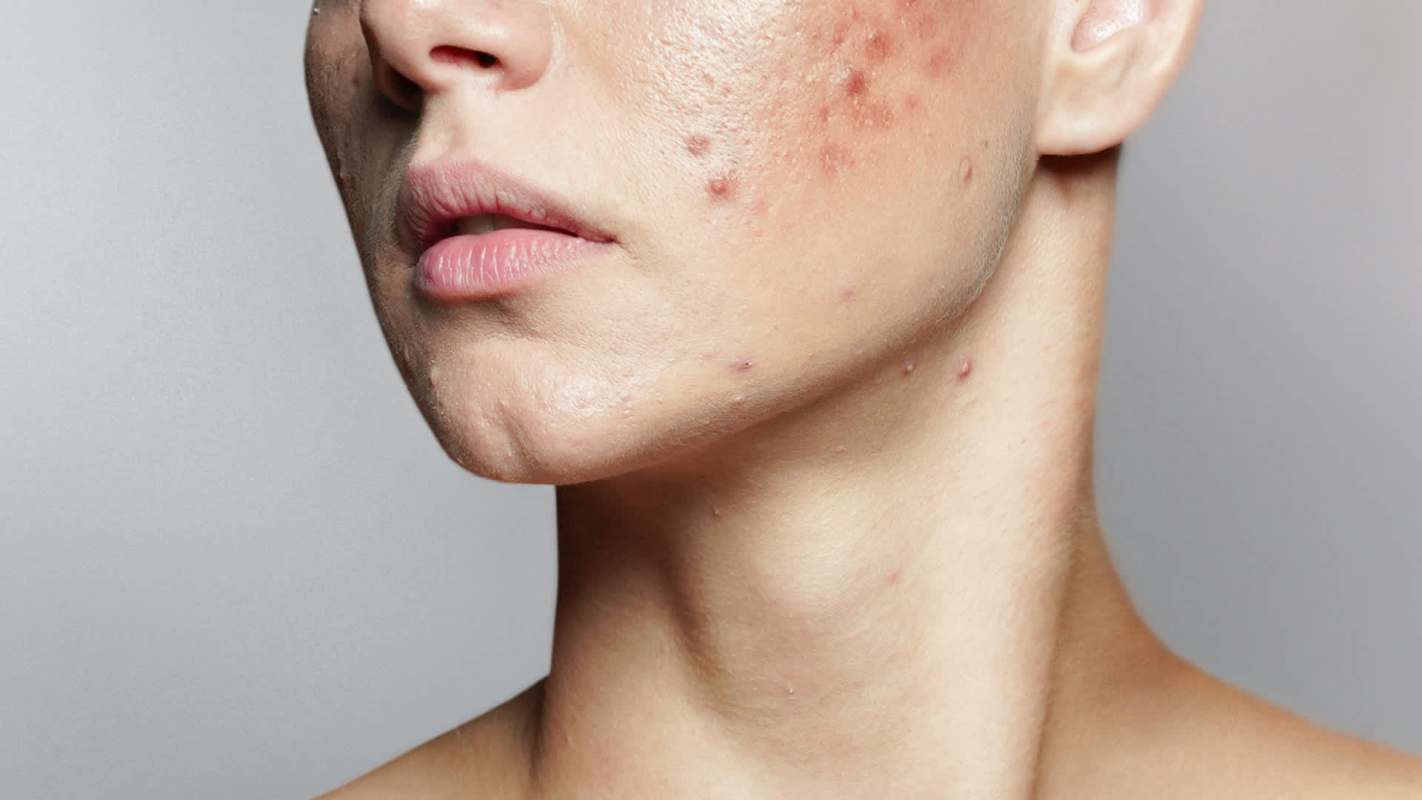
Utah is testing a striking new use of artificial intelligence in health care. The state launched an acne app that can recommend treatment and issue prescriptions while doctors gradually step back from reviewing every case.
The pilot is already raising questions about cost, safety, privacy, and how far AI should be allowed to go in clinical decision-making.
Here's what to know
According to the Instagram post from Ground News (@groundnews), the state approved New York-based startup Nolla Health to let its system evaluate patients and issue initial acne prescriptions through the Nolla Derm app. Instead of giving the software full independence from day one, Utah tied the rollout to a staged oversight process.
Patients complete a 10- to 15-minute intake, scan their face with the app, and submit their medical history. The caption described the program as "a one-year pilot allowing Nolla Health's AI system to assess patients with mild-to-moderate acne and issue prescriptions without direct physician approval."
Nolla Health CEO Luis Wenus said the system can choose only from eight approved topical treatments. If it cannot "confidently select a treatment," the company said it will route the case to a doctor, and the approved medications can still cause side effects such as skin irritation or dryness.
The low price is central to the company's pitch. Nolla says the app costs $4.99 a month, compared with roughly $150 to $300 for a standard dermatology visit. That pricing quickly drew skepticism in the comments, where one commenter asked, "So is the medical visit and advice free then? Why would you pay health insurance to be seen by AI?"
TCD Picks » Quince Spotlight
💡These best-sellers from Quince deliver affordable, sustainable luxury for all




More background
The post explained that the first 100 prescriptions will be reviewed by doctors before they reach pharmacies, and then doctors will review the next 400 in weekly retrospectives. In the final stage, physicians will review at least 10% of prescriptions each month.
Nolla says clinicians follow the app's recommendations in more than 96% of cases. For the company, acne is a relatively contained area for testing autonomous decision-making. Wenus has also framed the app as a way to give dermatologists more time for complex inflammatory diseases instead of routine topical acne cases.
John Whyte, chief executive of the American Medical Association, has argued that tools like this should not be practicing medicine on their own, highlighting the growing tension between convenience and professional accountability.
What's being done?
Utah is relying mainly on its "AI sandbox" framework, which lets the Office of Artificial Intelligence Policy waive some rules while overseeing real-world trials. Under that setup, the state limited the pilot to phased review and a narrow list of medications rather than broad prescribing freedom.
Nolla is positioning the app to make routine acne care cheaper and faster. Because patients can complete intake in the app instead of arranging a traditional office visit, the approach could appeal to people who have struggled to access dermatology care for routine acne treatment.
Where can I learn more?
Utah's pilot lands in the middle of a much bigger debate over how AI should be used in healthcare — and how closely it needs to be regulated. Related coverage looks at chatbot safety, insurance rules, and broader fights over AI policy and public health.
• Researchers found small wording shifts can change how health chatbots respond to patients.
• Lawmakers pushed to stop insurance companies from using AI to deny patient claims.
• Psychologists warned rapid increase in AI use could outpace safeguards in therapy.

Get TCD's free newsletters for easy tips, smart advice, and a chance to earn $5,000 toward home upgrades. To see more stories like this one, change your Google preferences here.






