


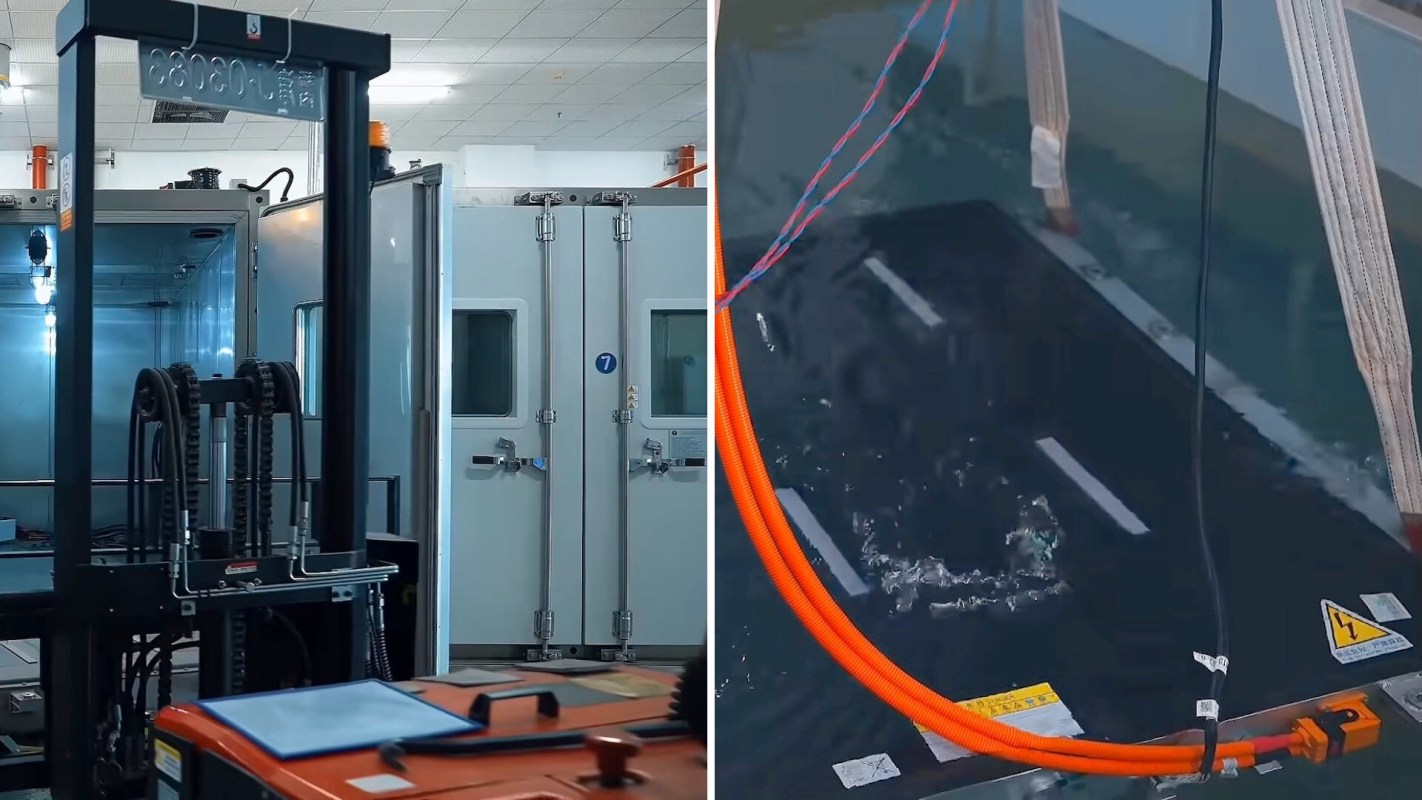
Pickles, an Australian company, tracked years of EV data and discovered that vehicles older than five years recorded had an average battery health of 93%, offering reassurance to used-car shoppers concerned about aging batteries and costly replacements.
Here's what to know
Australian auction company Pickles evaluated over 2,500 secondhand electric cars and found an average battery health of 96%. Content creator and EV commentator Ben Alexxander discussed the findings in a YouTube video.
Even vehicles driven more than roughly 75,000 miles (120,000 kilometers) averaged 89% battery health.
A 93% reading means roughly 7% of the original capacity has been lost, not that the battery is nearing the end of its useful life. The benchmark for Battery State of Health (SoH) is the energy a battery could hold when new, compared to its current capacity.
The Teslas, Hyundais, and other vehicles represented in the testing were already moving through Australia's secondhand market. Their results documented those cars' battery performance.
More background
Alexxander described a battery with an initial usable capacity of 60 kilowatt-hours. At 93% health, it would retain approximately 55.8 kilowatt-hours.
TCD Picks » Quince Spotlight
💡These best-sellers from Quince deliver affordable, sustainable luxury for all




That represents 4.2 kilowatt-hours less energy available between charges.
Someone making short trips might hardly notice the reduced capacity. The consequences could be different for the worker commuting from Brisbane to Toowoomba and back on a journey that stretches the vehicle's range, Alexxander explained.
A battery-health reading cannot give shoppers a precise driving-range estimate. How far a vehicle travels between charges also depends on tire condition, temperature, and speed.
What can be done?
Pickles has been doing battery health checks for vehicles it sells, and making those results available lets shoppers evaluate the battery alongside other aspects of a used car.
The Pickles findings represent averages across tested vehicles, not the condition of every EV on the market.
Most batteries lose a few percentage points early on, then their capacity declines more gradually, Alexxander explained. Chemistry and treatment influence that process, so the amount lost need not be the same each year.
One commenter shared their own experience: "2015 Renault Zoe NMC chemistry, 105,000 miles, 100% battery health showing on dash, probably 90% actual cell SOH, range in summer 85 - 90, winter 70 - 75, lifetime AC 7kw charging at supermarket only, basic maintenance only."
Where can I learn more?
These stories cover confusing EV test results, trade-in values, replacement concerns, high-mileage ownership, and battery-cell aging.
• A used Volkswagen ID.3 showed 100.3% battery health, highlighting how readings can mislead shoppers.
• A dealer warned a 79 battery-health score could undermine a 200,000-mile EV's $8,000 trade-in.
• A Northern European buyer feared a 10-year battery bill, but owners offered reassurance.
• A Tesla Model 3 owner detailed battery loss and repairs after reaching 250,000 miles.
• In China and Sweden, scientists found a few aging cells could shorten battery-pack lifespan.

Get TCD's free newsletters for easy tips, smart advice, and a chance to earn $5,000 toward home upgrades. To see more stories like this one, change your Google preferences here.






