


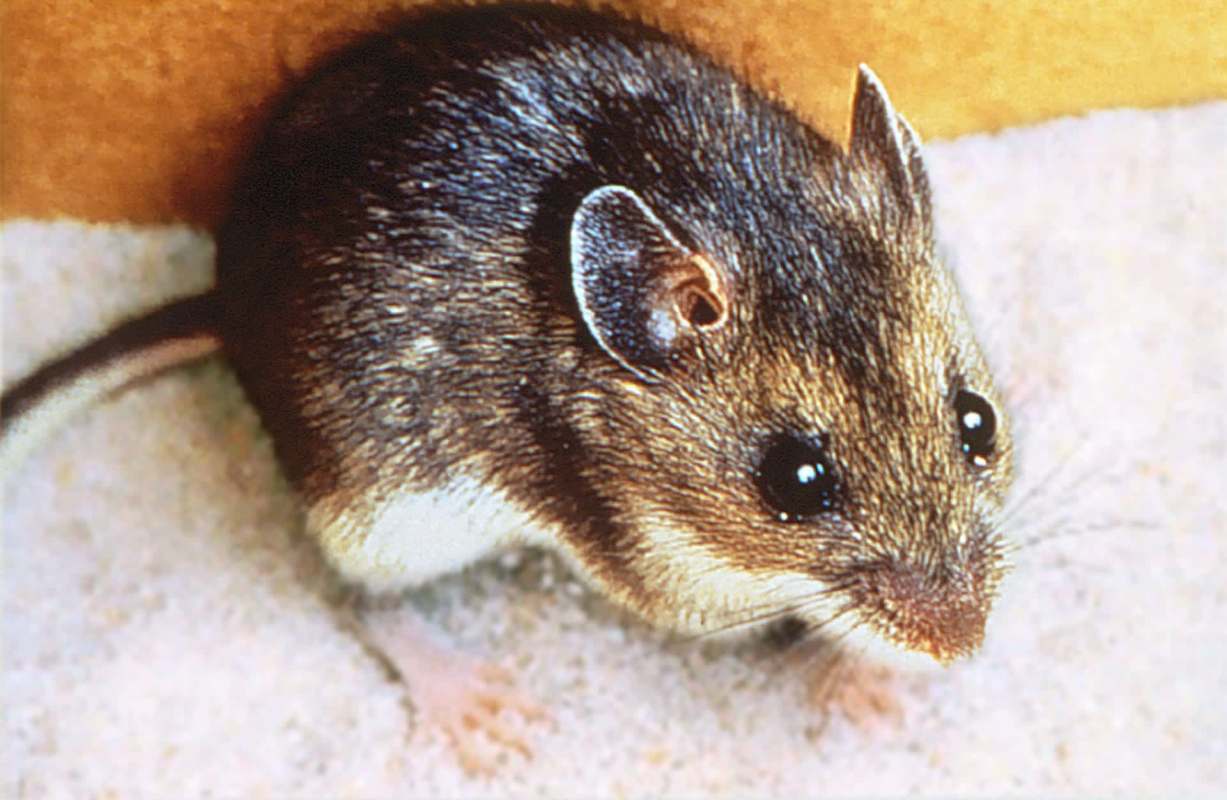
The University of South Carolina received a rare federal "critical" citation after a juvenile deer mouse was left in a cage without food and was found dead on July 14, 2025.
The finding adds to a growing list of animal welfare violations linked to USC laboratories since 2023, according to The Post and Courier.
Here's what to know
According to a September USDA report the outlet cited, federal regulators issued a rare "critical" citation to a USC laboratory under the Animal Welfare Act after a newly weaned deer mouse died in a cage where it had not been supplied with food.
"On July 14, 2025, animal caretaker staff discovered a dead male deer mouse in a cage without food," the USDA report found.
"Subsequent investigation revealed the mouse was weaned on July 10, 2025 by laboratory personnel that failed to provide food for the animal."
The report also determined that routine daily monitoring did not catch either the missing food or the animal's decline.
TCD Picks » Quince Spotlight
💡These best-sellers from Quince deliver affordable, sustainable luxury for all




SAEN, a national watchdog group focused on animal research, publicized the inspection findings and described the citation as a rare "critical" violation.
More background
SAEN said the mouse's death follows at least six other USC lab incidents since 2023 involving multiple federal regulatory violations.
The watchdog group also pointed to another case in which two animals starved.
In 2023, as The Post and Courier reported, USC sent four letters to the National Institutes of Health's Office of Laboratory Animal Welfare disclosing several cases of noncompliance.
Those reports described an unapproved euthanasia method for mice, improper handling of hazardous materials, failure to euthanize sick rats, sanitation problems, and an unauthorized mouse procedure that may have contributed to tail amputations.
In November 2022, a university experiment that dosed rats with cocaine before exposing them to electric shocks was halted amid concerns that the shocks exceeded the approved protocol.
What's being done?
In its release, the nonprofit said it "has filed an Official Complaint with the USDA, seeking the maximum penalty against the University of South Carolina for its illegal acts."
Jeff Stensland, a university spokesperson, asserted that USC alerted several oversight agencies immediately after the death.
"The accidental death was immediately reported to the USDA, NIH, and AAALAC International, along with a description of the corrective actions taken," Stensland said in comments provided to The Post and Courier.
"All personnel who were directly involved were disciplined in accordance with USC policy for not following standard operation procedures," he continued.
"USC has enhanced its daily monitoring practices to optimize animal welfare and prevent recurrence. There have been no subsequent incidents since the revised monitoring system was deployed in July 2025."
SAEN Research Analyst Stacey Ellison argued that the case reflects a deeper pattern.
"Animals are repeatedly left to languish for days and starve to death at the University of South Carolina because staff cannot perform basic care consistently, as required by law," she alleged.
Where can I learn more?
Questions about animal welfare in research and training settings extend well beyond South Carolina. The stories below look at campus violations, disputed training labs, and other controversial animal killings.
• At UC Riverside, a hummingbird death triggered its third federal animal-welfare citation in three years.
• At Washington State, 68 healthy animals were killed each spring in disputed training labs.
• In England, officials allowed unnecessary badger killings despite criticism that the policy ignores science.

Get TCD's free newsletters for easy tips, smart advice, and a chance to earn $5,000 toward home upgrades. To see more stories like this one, change your Google preferences here.






