


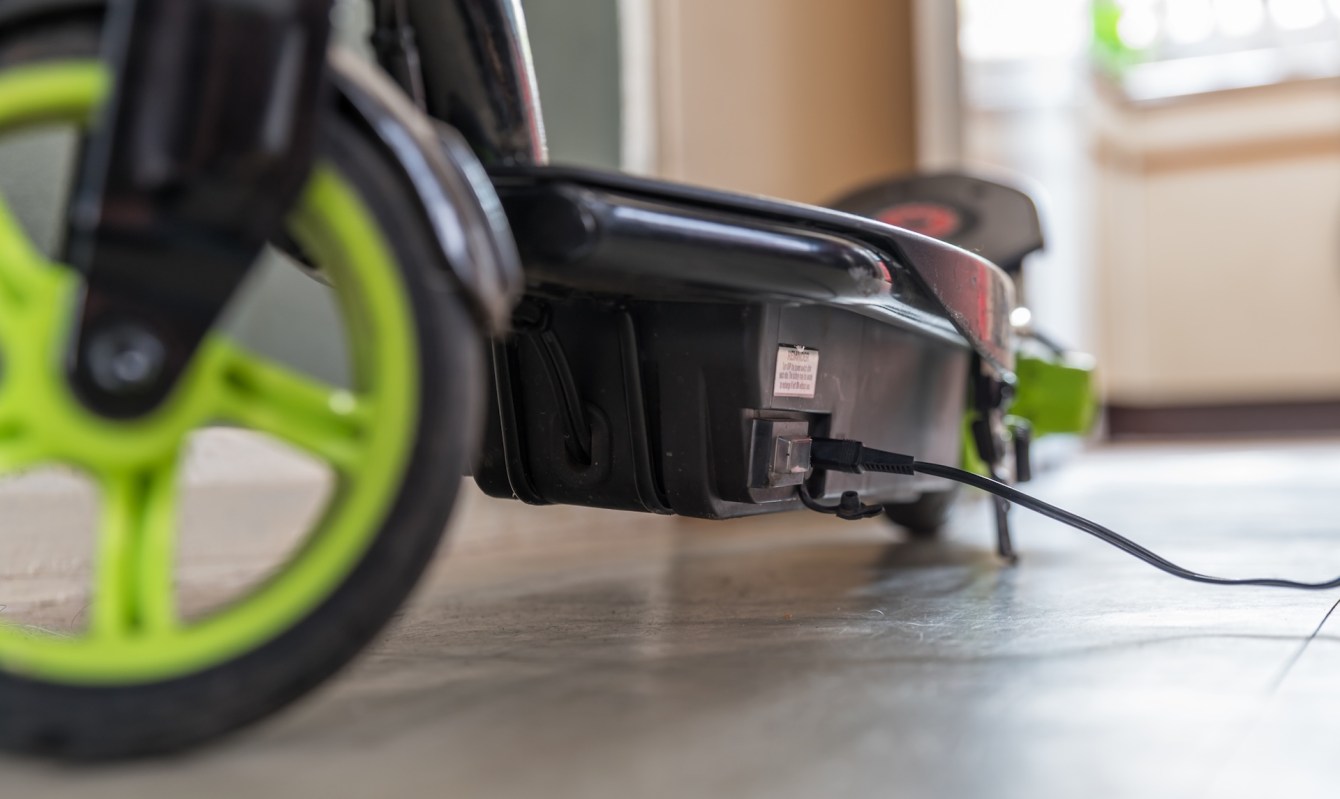
The U.S. Consumer Product Safety Commission has proposed new federal safety standards that could change how e-bike and e-scooter batteries and chargers are made and sold in the future. The changes would affect many products people currently keep in garages, basements, and entryways across the country — but they wouldn't require anyone to throw out devices they have.
Instead of trying to get battery-powered rides off the road, the effort is aimed at cutting down on potential fast-moving fires that can happen when charging goes wrong.
What's happening?
The CPSC is seeking tougher requirements for lithium-ion batteries used across micromobility products. That includes e-bikes, e-scooters, hoverboards, electric skateboards, unicycles, separate replacement packs, conversion kits, and third-party chargers.
The proposal was published June 24, 2026, and is open for public comment through Aug. 24, 2026, according to the CPSC and as reported by AOL.
If the rule is finalized, products made after the proposed 180-day phase-in period would have to meet the new standards.
Consumers would not be told to get rid of devices they already own. The proposal instead sets rules for how these products are designed, tested, labeled, and sold.
TCD Picks » Quince Spotlight
💡These best-sellers from Quince deliver affordable, sustainable luxury for all




The scope is broad, though not unlimited. It doesn't apply to every lithium-ion battery found in the house, so products such as laptops, cordless drills, and electric vehicles fall outside this specific proposal.
Why does it matter?
The biggest concern is thermal runaway — a chain reaction inside a damaged or overheated lithium-ion cell that can generate extreme heat, smoke, fire, and even explosions.
This can become a serious risk in garages or storage areas, where batteries may be charging near flammable materials like cardboard, paint, propane, or gasoline.
The CPSC counted 227 separate incidents between 2019 and 2023 tied to lithium-ion batteries in micromobility products, including 39 deaths and 181 injuries.
Charging played a prominent role in many incidents with multiple victims.
Many people store or charge e-bikes and scooters in attached garages or near living spaces, where a battery failure can quickly put people, pets, and property at risk.
What's being done?
The proposed standards would require some battery cases to be more resistant to opening with typical household tools, a step intended to discourage people from battery tampering by trying out DIY repairs or modifications. A battery that's swelling, leaking, smoking, giving off an odd odor, or getting really hot shouldn't be taken apart with a screwdriver after watching a YouTube tutorial, as AOL notes.
The rule also calls for additional testing around charging problems, including issues that can arise when the wrong charger is used.
Aftermarket chargers would have to clearly state the compatible product or model. The proposal also includes requirements for safeguards against charging in unsafe temperatures.
Labels would become more prominent as well. Proposed warnings would cover fire and shock hazards, altered batteries, safe charging, letting an e-bike cool before charging, and directions not to open or fix parts the manufacturer does not intend for consumers to service.
People who already own an e-bike or scooter would not see it outlawed overnight. But if the rule moves forward, shoppers could begin seeing safer battery designs, clearer warnings, and better-labeled chargers.

Get TCD's free newsletters for easy tips, smart advice, and a chance to earn $5,000 toward home upgrades. To see more stories like this one, change your Google preferences here.






