


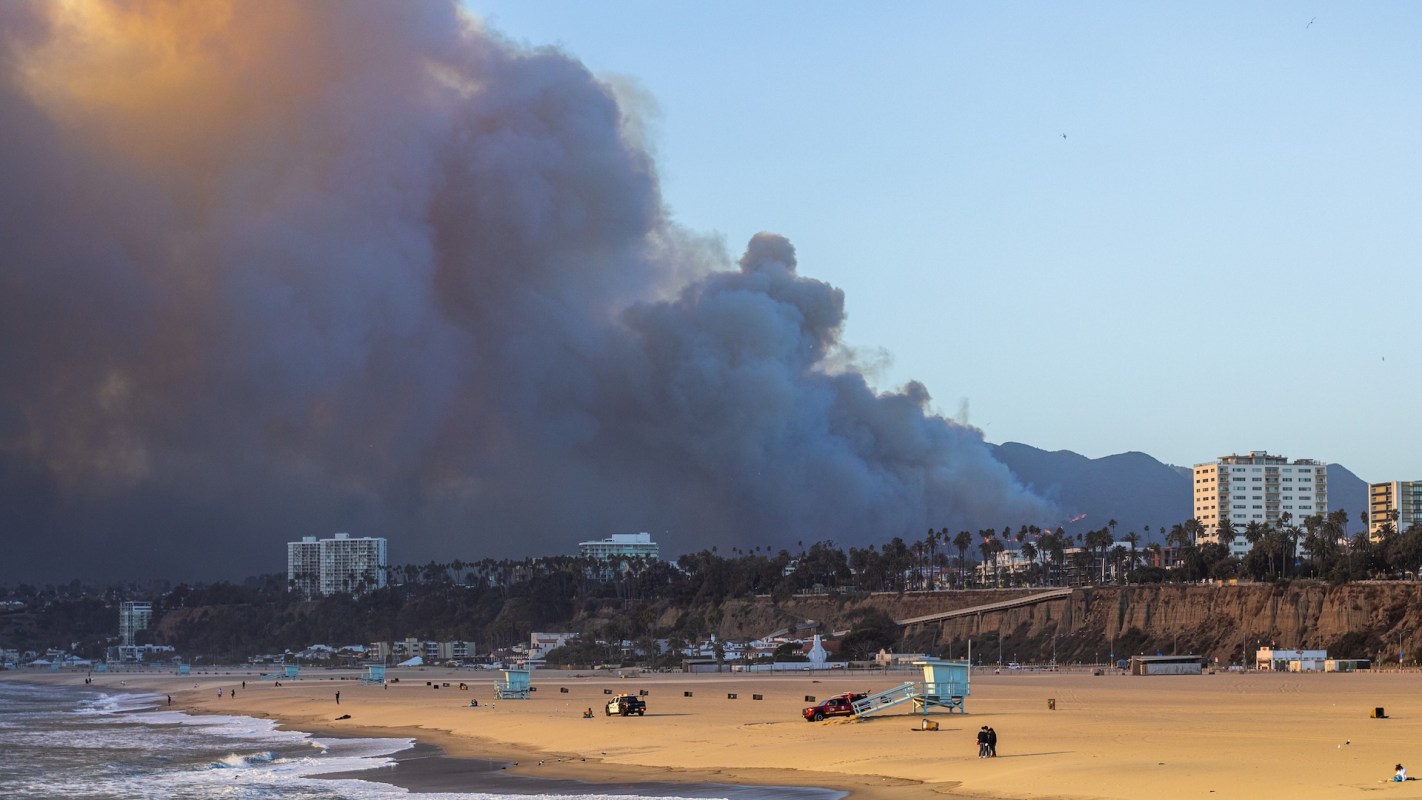
Smoke from the 2025 Los Angeles fires took on a different character once flames reached built-up neighborhoods.
Rutgers researchers reported that seemingly acceptable air-monitor readings masked a far more dangerous chemical profile in the particles people were breathing.
What happened?
To gauge possible exposure after the January 2025 Eaton Fire in Pasadena, California, a Rutgers team gathered both air samples and ash from the affected area, Consumer Affairs reported.
The researchers were studying wildland-urban interface fires, which involve more than burning vegetation. When homes, cars, electronics, wiring, plastics, batteries, and other manufactured materials catch fire too, the smoke can take on chemical properties that routine monitoring may miss.
Average fine-particle concentrations remained below the federal 24-hour standard, but more detailed testing pointed to a different reality.
In ultrafine airborne particles, the researchers measured toxic metals at about 30 times normal Los Angeles levels, PAHs at roughly 10 times typical concentrations, and benzene-related compounds at nearly five to 13 times urban background levels.
TCD Picks » Quince Spotlight
💡These best-sellers from Quince deliver affordable, sustainable luxury for all




The ash samples also contained metals, PAHs, and PFAS, often referred to as forever chemicals.
Why does it matter?
The findings indicate that where smoke comes from can matter just as much as how much of it is in the air. When fires burn through neighborhoods, the pollution people encounter may be more varied and potentially more hazardous than what comes from a typical forest fire.
Many people now rely on air-quality apps, public dashboards, and particulate readings to decide whether it is safe to go outside, exercise, open windows, or send children to school.
This research indicates those numbers may not always capture the full health picture.
Post-fire air and ash can remain a concern even after visible smoke fades near burn zones.
What's being done?
The researchers say post-fire monitoring and cleanup should reflect the materials that burned, not only the amount of particulate matter recorded. That could mean more chemical testing of smoke and ash after fires that spread to homes and infrastructure.
For local agencies and health officials, the study strengthens the case for more detailed post-fire response plans.
If urban fire smoke is carrying chemicals from vehicles, building materials, and consumer products, recovery efforts may need broader contamination assessments.
In areas affected by fire debris, reducing indoor smoke intrusion and avoiding direct contact with ash can help lower exposure.
Public health tools may need to catch up with a changing fire landscape, especially in places where wildlands and neighborhoods overlap.
"I do not want the message to be simply scary," lead author José Guillermo Cedeño Laurent said. "The point is that if we want to understand the risks, we need to know the composition of the particles, not just the amount."
He added, "These fires leave a chemical legacy."

Get TCD's free newsletters for easy tips, smart advice, and a chance to earn $5,000 toward home upgrades. To see more stories like this one, change your Google preferences here.






