


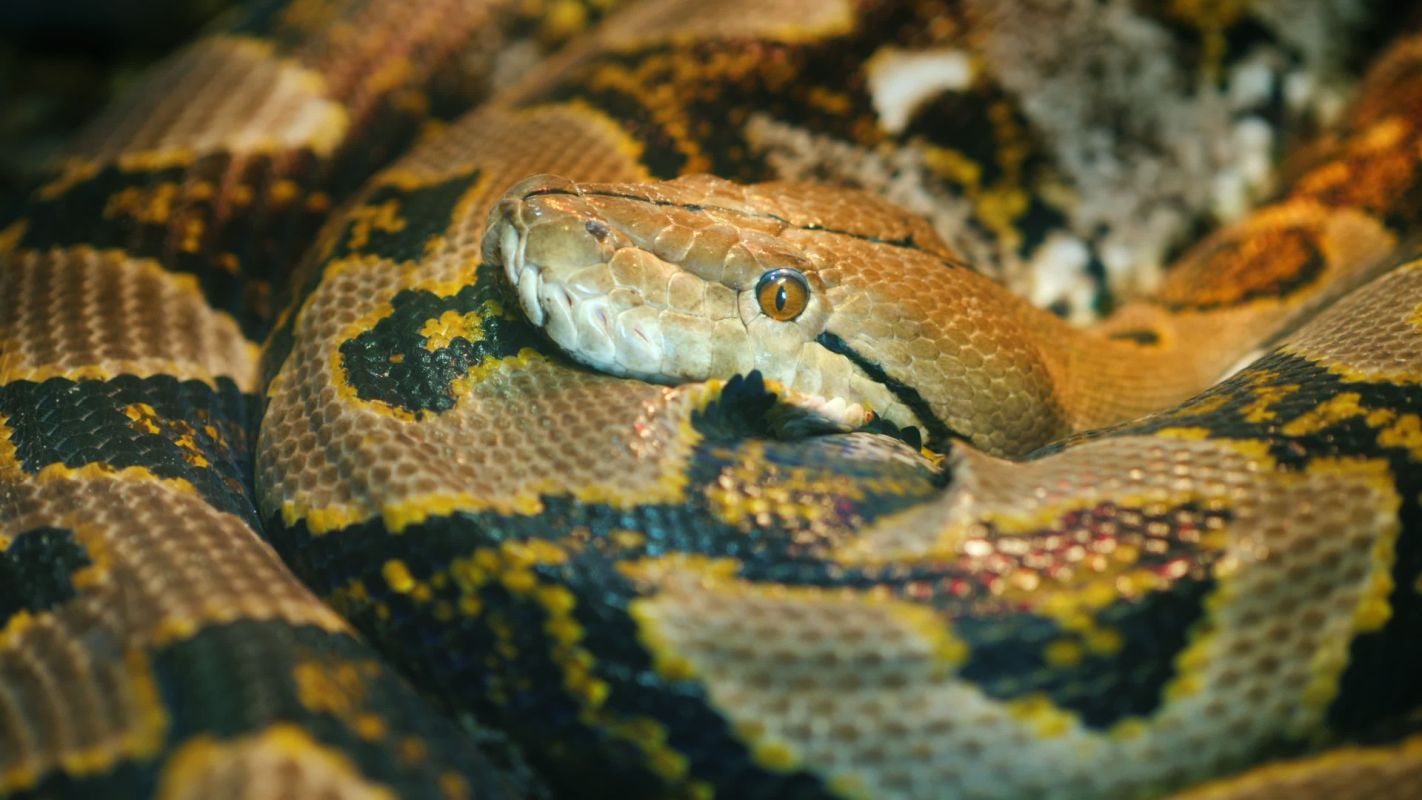
Suspiciously heavy power use in one eastern China apartment helped authorities uncover a residence where hundreds of pythons were being kept in plastic containers.
The case has now ended with prison sentences for three men.
What happened?
When an elderly citizen of Taizhou noticed an enormous snake near a mountainside in 2024, he alerted the authorities.
Officials suspected that the animal was a non-native and nationally protected python, which pointed to human involvement.
Later, as reported by the South China Morning Post, a wildlife specialist told the authorities that because these snakes require such a consistent (warm and hot) environment, any breeder would be using an enormous amount of electricity.
This led police to check local electricity records, which resulted in them identifying the culprit.
TCD Picks » Quince Spotlight
💡These best-sellers from Quince deliver affordable, sustainable luxury for all




Investigators were led to a man identified as "Guo," whose apartment housed 309 pythons. These 309 snakes were subsequently moved to a nearby zoo, per PEOPLE.
Two men who had sold Guo some of the pythons, Deng and Di, were also arrested. Police found an additional 47 pythons in Deng's home, too. The total value of all the pythons involved in the ordeal was roughly $4.2 million, per PEOPLE.
None of the details regarding the men's sentences have been made public.
Why does it matter?
This was not simply a case of wildlife wandering into a neighborhood on its own. The incident appears to have been driven by human activity, specifically, the confinement and suspected breeding of a nonnative protected species inside a residential building.
An escaped python can alarm residents and potentially endanger pets or other animals, while hundreds of reptiles kept in plastic containers raise serious welfare concerns.
The episode also reflects a broader pattern seen around the world. Dangerous encounters with wild animals are often worsened by human decisions, whether through habitat disruption, illegal trade, or captivity.
As BBC Future explained in its reporting on why wild animals attack humans, many of these conflicts are shaped less by animal aggression alone than by the situations people create.

Get TCD's free newsletters for easy tips, smart advice, and a chance to earn $5,000 toward home upgrades. To see more stories like this one, change your Google preferences here.






