


The United States is trying a new conservation strategy centered on preserving DNA from thousands of species at risk of disappearing.
Federal wildlife officials and "de-extinction" biotech company Colossal Biosciences plan to store genetic samples from more than 2,300 vulnerable plant and animal species before further biodiversity loss occurs.
What happened?
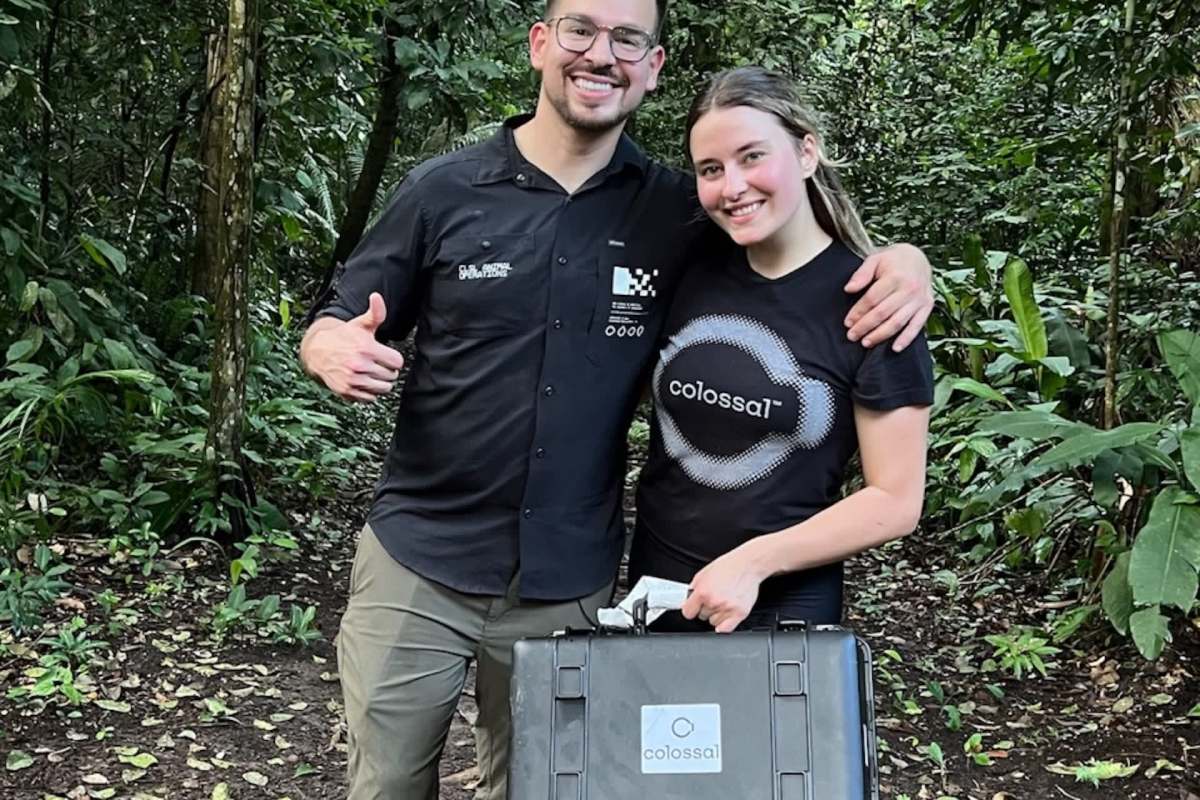
According to Gizmodo, the U.S. Fish and Wildlife Service has teamed up with Colossal Biosciences and the company's nonprofit arm, the Colossal Foundation, to collect and preserve genetic and reproductive material from protected species.
The number of species listed since 1985 has grown by 300%, even though conservation funding has not kept up. The Endangered Species Act now covers 1,662 domestic and 638 foreign species, placing additional strain on limited resources.
The archive will be stored in Colossal's BioVault system and matched with digital "reference genomes" for each species.
U.S. Fish and Wildlife Service Director Brian Nesvik said, per Gizmodo: "This collaboration will help advance our understanding of how biobanking and genomics can complement existing conservation tools and contribute to the recovery and long-term resilience of imperiled species."
TCD Picks » Quince Spotlight
💡These best-sellers from Quince deliver affordable, sustainable luxury for all




Matt James, Colossal's chief animal officer, said: "This initiative will redefine conservation in the United States."
Why does it matter?
Extinction affects more than the individual species that disappears.
Functioning ecosystems support clean water, pollination, food production, recreation, and local economies tied to fisheries, forests, and tourism.
A larger genetic record could give scientists more ways to study disease resistance, breeding, habitat adaptation, and recovery strategies for species already stressed by habitat loss and rising temperatures.
Colossal Chief Executive Officer Ben Lamm said: "Every species is a library of evolutionary innovation millions of years in the making. Once lost, that knowledge disappears forever."
The partnership also underscores open questions about how biotechnology may shape conservation in the future. According to Gizmodo, Colossal said the genomic data will be deposited in open-access repositories and "provided at no cost," but the long-term use of cryopreserved biological material remains unclear.
What's being done?
Gizmodo reported that the Colossal Foundation has received $100 million in donations since late 2024 and plans to make this genomic library available not only to federal managers but also to scientists and conservation groups worldwide.
James said: "Future conservationists won't just inherit field notes and photographs — they'll inherit the genomic tools needed to understand, protect, and restore biodiversity at an unprecedented scale."
Lamm also compared the project to the Svalbard Global Seed Vault, saying the aim is to preserve "the genetic diversity of life itself."
If the partnership works as planned, it could leave future researchers and wildlife managers with more options while helping communities keep the ecosystems that support healthier, safer, and more resilient lives.
"This is the conservation equivalent of building the national parks system for the genomic age," James said.
Lamm added: "This partnership is about ensuring that future generations inherit not just records of the natural world, but the opportunity to protect, study, and restore it."

Get TCD's free newsletters for easy tips, smart advice, and a chance to earn $5,000 toward home upgrades. To see more stories like this one, change your Google preferences here.






