


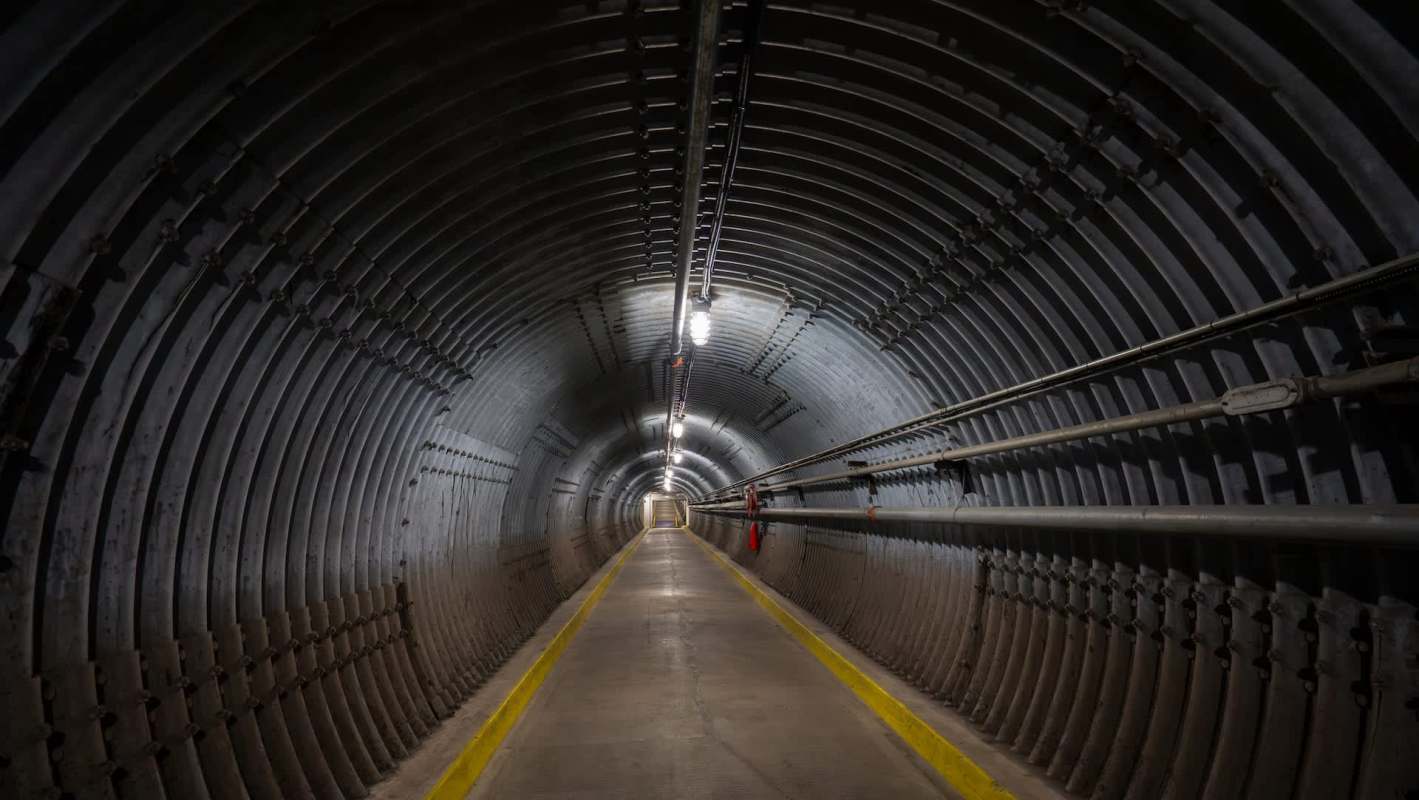
For some ultra-wealthy preppers, a basic bunker filled with supplies may no longer be the goal.
According to the Daily Mail, the "architect of the apocalypse" is working on elaborate underground compounds for government, military, and wealthy clients, intended to keep people alive below the surface for years.
What happened?
In Philip Pauley's description, these are expansive, self-contained environments, not stripped-down emergency shelters.
The architect, who calls himself an "Operational Resilience Architect," said that he is designing "closed-loop" bunkers for wealthy, government, and military clients that can be as large as an aircraft hangar, with private rooms, communal spaces, hydroponic farms, fish tanks, and lighting that mimics daytime and nighttime.
He said the bigger problem is that many existing bunkers are built for short-term survival, with timelines measured in months rather than years.
Pauley argues that dangers, including asteroid strikes, thermonuclear war, and climate-related food-system collapse, call for much longer planning horizons.
TCD Picks » Quince Spotlight
💡These best-sellers from Quince deliver affordable, sustainable luxury for all




"It's not doom-mongering, it's preparing," he said, per the Daily Mail.
That scale comes with staggering costs. Pauley said construction alone can reach the "hundreds of millions," while the interior build-out happens "under a shroud of secrecy."
He added that the spaces are designed to feel "opulent and homely" rather than grim.
Why does it matter?
Discussing climate risk, Pauley said, "We don't seem to have the willpower to be able to stop climate change at the moment," adding that the concern is that "the whole food system might collapse."
Climate pollution is worsening extreme weather and driving up costs tied to food, insurance, and medical care.
At the same time, everyday household choices can add to those risks. Gas appliances can worsen indoor air pollution and respiratory issues, while some cleaning products may contribute to long-term toxic exposure, including hormone disruption and other health concerns.
Practical steps such as improving ventilation, replacing gas appliances when possible, and switching to safer cleaners can help lower exposure over time.
What are people saying?
On the kind of scenario he is planning for, Pauley said, "If a sizeable asteroid hits, you would need to potentially be underground for 10 years or more."
He acknowledged how extreme the idea sounds, saying, "I feel a bit like Noah half the time."
He also suggested the point is not to save everyone, but to preserve a future population.
"We're all in the same boat, and we can see the direction of travel, so we should be thinking about longer-term solutions to safeguard ourselves," he said.
In Pauley's view, that amounts to "creating a human seed bank for those worst-case scenarios."

Get TCD's free newsletters for easy tips, smart advice, and a chance to earn $5,000 toward home upgrades. To see more stories like this one, change your Google preferences here.






