


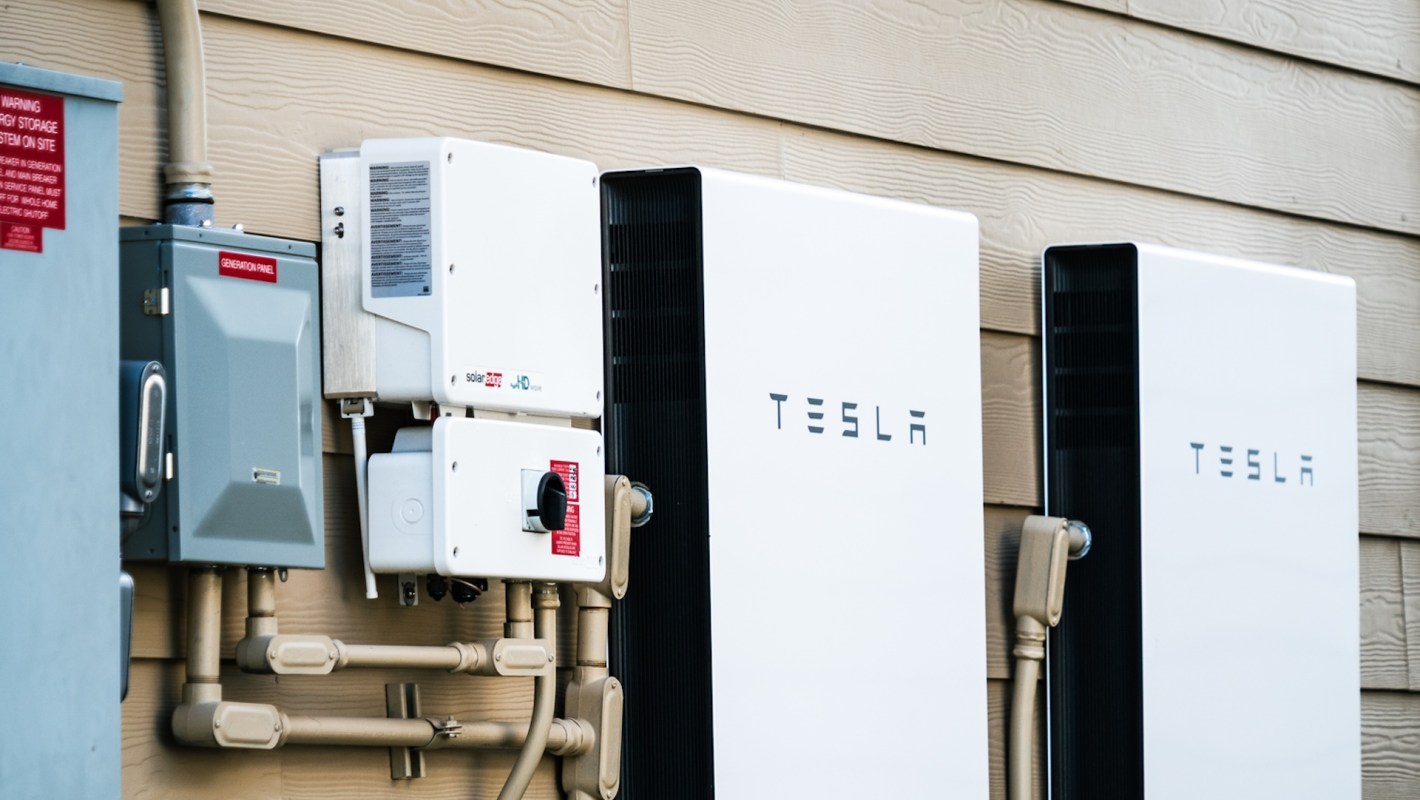
A Reddit user in the U.K., close to moving forward with a Tesla Powerwall install, asked a practical question: If they saved money by choosing a different home battery, what meaningful features would they be giving up?
What's happening?
The post, shared on Reddit, came from a buyer who said, "I am looking to have a Tesla Powerwall installed and am about to pull the trigger on it," but who also questioned whether Tesla's higher price was justified.
Tesla continues to have strong appeal, especially for buyers drawn to a recognizable brand, long-term warranty support, and a more polished all-in-one system.
One commenter described it this way: "The Tesla PW kit is like Apple. Very well polished app and it just works. It's simple to operate and very set and forget."
At the same time, several installers and battery owners argued that lower-cost or more modular systems can offer more flexibility.
One installer was especially blunt: "The app sucks!"
Others pointed to alternatives including SigEnergy, Fogstar, Fox, and Solis, saying those systems may offer stronger local control, smaller expandable battery modules, and better value per kilowatt-hour.
Why does it matter?
For many households, the real question is not whether a battery works but whether the premium cost is worth paying for convenience, weather resistance, backup power, and confidence in the brand.
Save $10,000 on solar panels without even sharing your phone number Want to go solar but not sure who to trust? EnergySage has your back with free and transparent quotes from fully vetted providers in your area. To get started, just answer a few questions about your home — no phone number required. Within a day or two, EnergySage will email you the best options for your needs, and their expert advisers can help you compare quotes and pick a winner. Solar panels can save you more than $50k over their 25-year lifespan, and EnergySage can help you save as much as $10k on installation. Which begs the question — isn't that worth an email or two? |

That question is becoming more important as electricity pricing grows more complex.
Several commenters said buyers increasingly want systems that can charge quickly during short off-peak windows, respond to virtual power plant programs, and integrate with tools such as Home Assistant.
While a cheaper system may require more hands-on setup, it can also offer more control.
Power outages were another major part of the discussion. A battery can keep essential devices running when the grid fails, and whole-home backup can make the changeover so smooth that a blackout barely registers.
Adding battery storage can also help homeowners make better use of the solar energy they already generate, letting them shift that electricity into the evening instead of buying more expensive power from the grid.
You can explore EnergySage's free tools to get information about home battery storage options, including competitive installation estimates.
EnergySage has also teamed up with the electrification brand Qmerit to ensure you get the best price on home battery storage solutions.
One Powerwall owner wrote, "If we lose power we never notice it."
Some commenters said Tesla's main limitation is how fixed the system can be.
As one commenter put it, "If the rather fixed nature of the capacity and charge rate works for you, and you don't care about being able to micromanage it, then it's a great bit of kit."
What can I do?
For some households, simplicity is the biggest selling point. For others, flexibility matters more.
The best battery depends on whether you want something that "just works" or something you can tweak to better match your home and energy habits.
Another option worth considering is Pila, which offers excellent battery backup options. Its plug-and-play batteries are priced at a fraction of what a whole-home backup system would cost.
For buyers who are not ready to spend on a fully installed system, that kind of lower-cost backup can be a useful first step. Getting multiple quotes, reading warranty fine print, and confirming installer support in your area can clarify the tradeoffs before signing a contract.
As one Tesla owner put it, "It just works, and does what it should when it should. Is it expensive? Yes. To me, it's worth the money."
Another commenter, however, offered the other side of the debate: "Ultimately the right choice depends on your needs and preferences. They're both potentially the best option for somebody."

Get TCD's free newsletters for easy tips, smart advice, and a chance to earn $5,000 toward home upgrades. To see more stories like this one, change your Google preferences here.






