


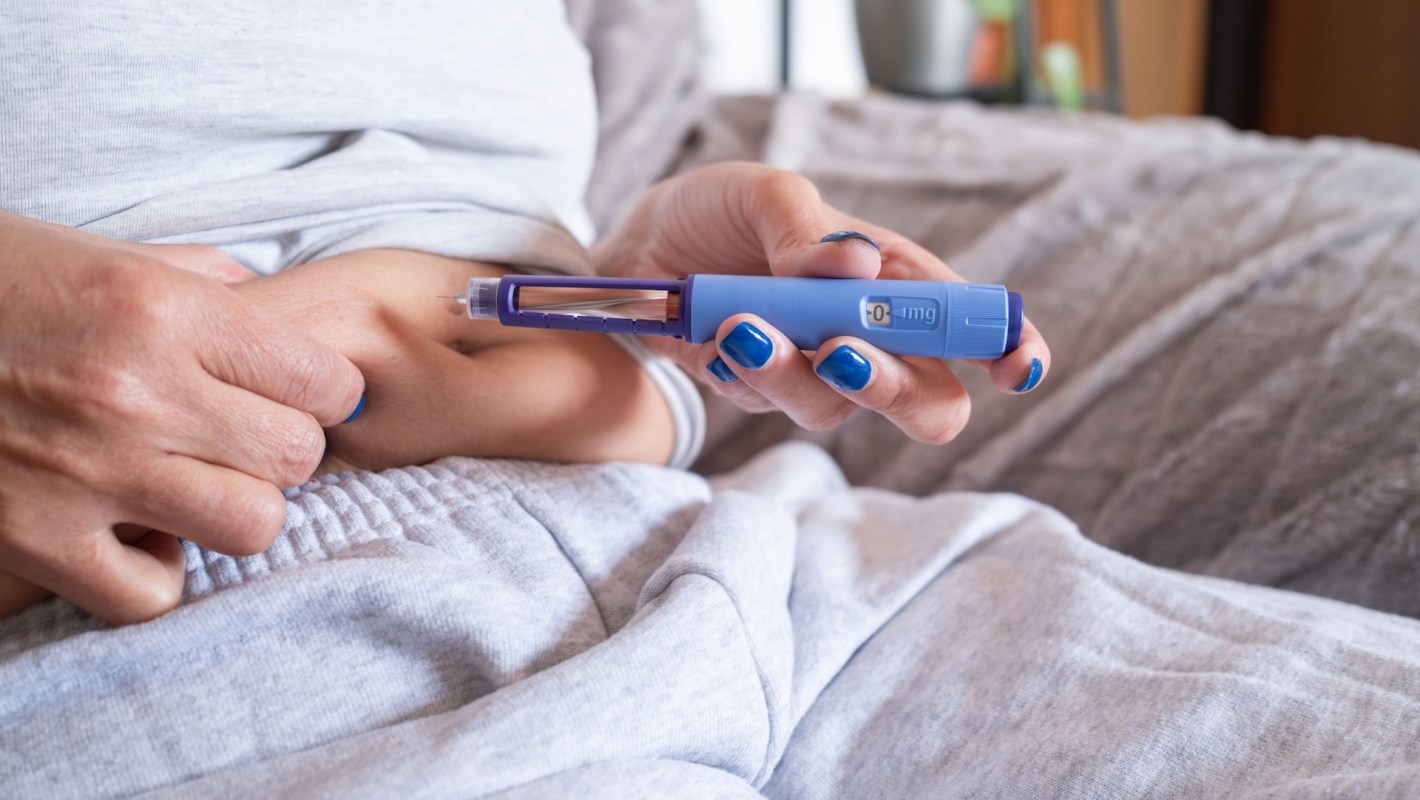
Medications best known for helping people manage diabetes and obesity may also come with an unexpected upside of fewer asthma attacks.
A new U.K. analysis found that people with airway diseases who began taking GLP-1 drugs such as semaglutide, sold as Ozempic and Wegovy, were less likely to report flare-ups than similar patients taking another class of diabetes medication.
Here's what to know
As Gizmodo detailed, the researchers focused on people with asthma or chronic obstructive pulmonary disease who were taking GLP-1 receptor agonists and compared them with patients taking sulfonylureas.
Chloe Bloom, a respiratory epidemiologist at Imperial College London and one of the study's authors, said the team examined four separate groups of about 20,000 people each in the U.K. in a press release on the findings.
"The effect was strongest with semaglutide especially in people with asthma, where use of semaglutide appears to be associated with nearly 40% reduction in asthma attacks," Bloom noted. "Semaglutide also led to a 20% reduction in COPD flare-ups."
The findings were presented at the European Respiratory Society Congress and have not yet gone through the standard peer-review process. The study identified an association rather than proving that the medications directly caused better respiratory outcomes, Gizmodo clarified.
TCD Picks » Quince Spotlight
💡These best-sellers from Quince deliver affordable, sustainable luxury for all




More background
GLP-1 drugs have already reshaped treatment for obesity and Type 2 diabetes, two conditions that can overlap with breathing problems and sometimes worsen them. The study authors said there has been relatively little investigation into whether those medications might also improve airway diseases.
The researchers cautioned that people with asthma or COPD should not start taking a GLP-1 solely to address those concerns.
Gizmodo noted tirzepatide, another medication in this class, has been approved for sleep apnea, and GLP-1 therapies may also help reduce apnea episodes in people with obesity.
These sorts of results will need more verification and study to see if they provide additional uses for GLP-1 therapies.
"We wanted to use real-world health records to investigate whether people with asthma or COPD who started GLP-1 receptor agonists had fewer acute respiratory attacks," Bloom said in the release.
"While the findings suggest that some people taking GLP-1 receptor agonists may experience fewer respiratory attacks, this needs confirmation in clinical trials," Bloom concluded in the release.
Where can I learn more?
Asthma flare-ups are shaped by more than medication alone. Air pollution, inhaler choices, and even microplastics all play a role in lung and airway health.
• In Dallas' Joppa neighborhood, nearly one-fifth of residents were diagnosed with asthma amid heavy air pollution.
• Doctors found environmentally friendly inhalers could cut asthma care's carbon footprint.
• A global shift to electric vehicles could improve children's health by reducing pollution-driven asthma.
• In mice, exposure to common plastics worsened asthma symptoms and raised new concerns.
• Scientists warned that inhaled microplastics harm lung function and are far from benign.

Get TCD's free newsletters for easy tips, smart advice, and a chance to earn $5,000 toward home upgrades. To see more stories like this one, change your Google preferences here.






