


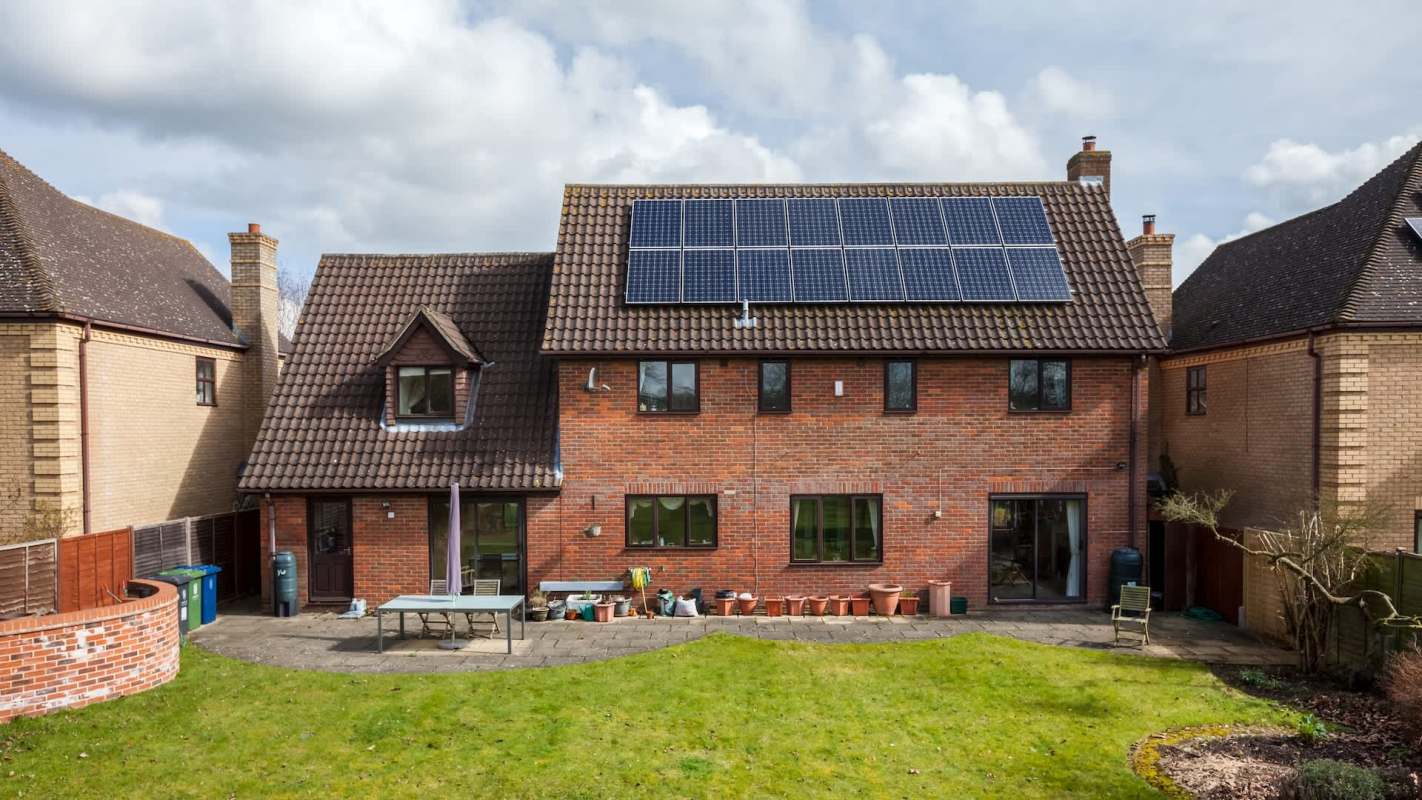
A U.K. homeowner came across an unusually generous promotion via text: several hours of free electricity over one weekend.
This prompted the homeowner to wonder if they could take even greater advantage of the promotion with their home battery.
Here's what to know
On Reddit, the homeowner said they have a Sigenergy home battery system and solar panels. Their electric company, EDF Energy, occasionally runs "Power Perk" promotions where any electricity clients pull from the grid is basically free.
That upcoming weekend, the homeowner said the promotion was for 26 hours of free electricity.
There is also a program called SEG that pays people for their electricity if they send it back. So the homeowner questioned whether, during the free hours, they could charge their home battery to the fullest and then sell that electricity back to the grid to earn money.
So the homeowner would charge their battery during the free hours, sell the electricity back, recharge during the free hours, and so on.
Since the electricity going in is free and they'd get paid for the electricity going back out, they could technically be making money.
More background
Going solar is one of the best ways to save money on home energy, especially if you're pairing panels with smart tariffs and storage. Homeowners who want to compare their options can try EnergySage to get free solar installation estimates and compare quotes.
Save $10,000 on solar panels without even sharing your phone number Want to go solar but not sure who to trust? EnergySage has your back with free and transparent quotes from fully vetted providers that can help you save as much as $10k on installation. To get started, just answer a few questions about your home — no phone number required. Within a day or two, EnergySage will email you the best local options for your needs, and their expert advisers can help you compare quotes and pick a winner. |

With EnergySage's help, the average person can save up to $10,000 on solar purchases and installations. Tools such as EnergySage's solar map show the average cost of a home solar panel system by state, along with solar panel incentives for each state, helping homeowners get the best price for rooftop solar panels and access available incentives.
What can be done?
One Reddit user said the plan should work, since people already do this charge-sell-charge cycle overnight. Another commenter noted a slight technical catch: the homeowner has a 12kW inverter, but their battery caps out at 4.5kW. So it'll be hard to get near the full capacity of their system with just one battery.
Adding battery storage to a solar setup is one of the best ways to protect your home during outages, save money on energy, and go off-grid. Homeowners interested in backup power and better tariff control can explore EnergySage for information about home battery storage options, including competitive installation estimates.
Even without exporting, households can still use these windows strategically by charging a battery, shifting appliance use, or topping up an EV while grid power is credited back. That alone can reduce bills without relying on repeated export cycles.
More From EnergySage
💡Go deep on the latest news and trends shaping the residential solar landscape


Where can I learn more?
These stories show other ways homeowners use solar and batteries to lower bills or earn credits, from net metering and virtual power plants to battery incentives, financing, and real-world rooftop solar payoffs.
• Across the U.S., solar export credits can cut bills when rooftop systems send power back.
• Sonnen is pushing virtual power plant links that connect home batteries to the grid.
• Some homeowners can add home backup batteries without upfront costs, easing a major barrier.
• In Connecticut, lawmakers gave home batteries a major advantage as rooftop solar incentives neared caps.
• In Australia, a homeowner's 20kW solar setup made blackouts invisible and produced hefty bill credits.

Get TCD's free newsletters for easy tips, smart advice, and a chance to earn $5,000 toward home upgrades. To see more stories like this one, change your Google preferences here.






