


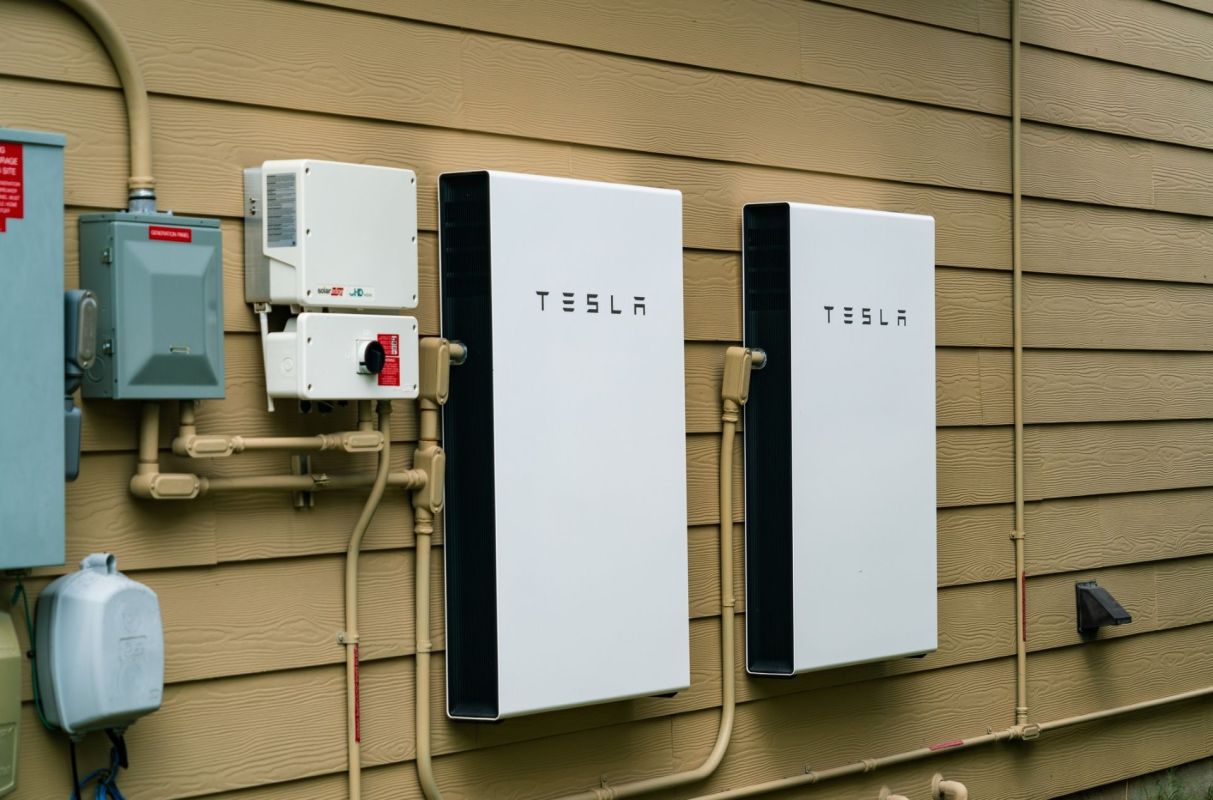
A British homeowner hoping to take advantage of a free hour of electricity found that storing the power in their newly installed battery might take more effort than expected.
Here's what to know
As they explained on Reddit, their yearlong fixed-rate electricity contract expires in March, and their home has solar panels and a newly installed Tesla Powerwall 3, but no electric vehicle.
They asked, "Does anyone know how I can configure the Powerwall 3 to make the most of the saving sessions, free electricity being offered on a Sunday to charge the Powerwall 3 during this hour?"
With solar generation typically filling the battery by 10 a.m. or 11 a.m., there was little spare capacity for the free electricity available from 1 p.m. to 2 p.m. The homeowner also wanted to know how to reflect that window in the Tesla app, which already listed their Octopus tariff.
One of the top comments suggested using "either NetZero or Home Assistant."
"The Tesla app is awful and really limiting," they continued. "If it wasn't for third party applications, I'd have been really disappointed with my Powerwall. NetZero is £7 a month, but super easy to set up and play with. Home Assistant itself is free, but it's a lot of work to get it off the ground."
The OP responded, writing, "There's no way of doing it through the Tesla PW3 app? Sounds like a lot of faff, might not bother and just leave it in that case!"
The initial commenter then urged OP not to ignore the advice, explaining, "The automations are worth it. You can just leave the PW3 to chug along as is, but you are boxing yourself and your payback period in by ignoring them."
Crushed by your bills? See instant solar savings from vetted installers in just a few clicks With energy prices through the roof, there's never been a better time to go solar — and EasyHome can help you find the best prices from the best installers in your area. EasyHome takes the guesswork and headaches out of energy upgrades by showing you estimated savings from a network of vetted local partners. To get started, just enter your ZIP and share a few details about your home — seeing your estimate is really that easy. |

A different commenter wrote that, "In the setting on your Powerwall app, manually adjust your backup reserve to 100% at the beginning of that hour. That should get the PW3 to start filling itself up. Then return it to whatever level it was set at before at the end of the hour."
Another commenter estimated that using 5 kilowatt-hours during the free window would save the OP less than £1 a week. If that electricity replaced solar power that would otherwise be exported for payment, they estimated the benefit at roughly 50 pence.
Backup batteries can provide greater energy independence, including off-grid use in suitably configured systems. They can also lower energy costs when homeowners are able to take advantage of time-of-use rates.
For buyers comparing storage options, EnergySage offers a free resource for exploring battery products and comparing competitive installation estimates. EnergySage has partnered with the electrification company Qmerit to help homeowners obtain the best available battery-storage pricing.
For households prioritizing a simpler home backup, Pila offers a plug-and-play battery alternative at a substantially lower price point than whole-home systems. These batteries can protect individual appliances, such as fridges.
Where can I learn more?
Other U.K. homeowners have also had to figure out when to charge their batteries and how much they could save.
• Another U.K. Powerwall 3 owner built a workaround to stop battery drain during EV charging.
• One U.K. homeowner's £14,000 solar and Powerwall setup can't power an EV from its battery.
• U.K. electricity customers blamed export rates when a Powerwall charged at 30p instead of 7p.

Get TCD's free newsletters for easy tips, smart advice, and a chance to earn $5,000 toward home upgrades. To see more stories like this one, change your Google preferences here.
Cool Picks






