


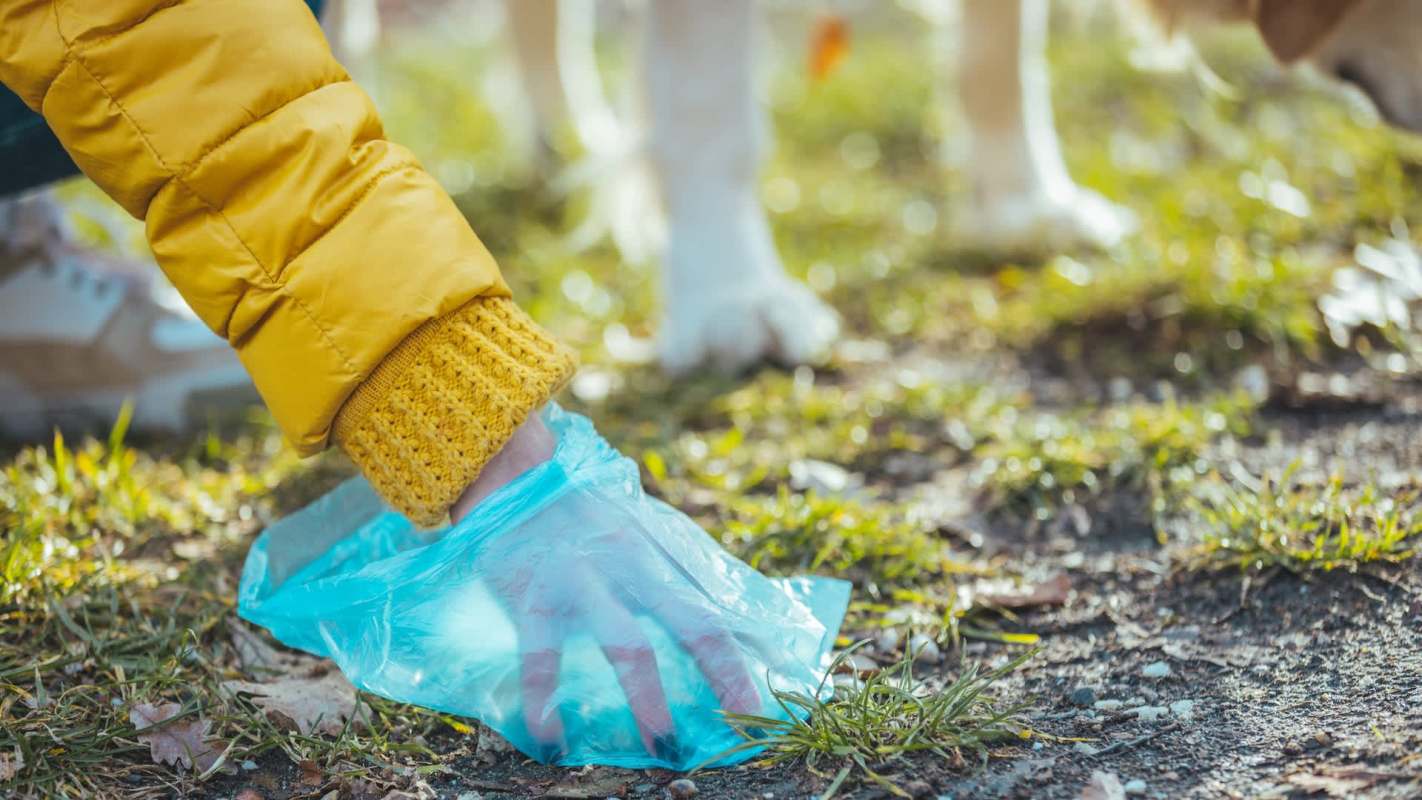
A Reddit post kicked off a discussion around the environmental impact of dog waste and owners cleaning up the waste.
One user from the U.K. argued that plastic dog waste bags should stop being the default cleanup tactic, while commenters questioned how big of an impact their everyday chore was causing.
Here's what to know
The Reddit user argued that paper or biodegradable dog waste bags should be the new norm, while single-use plastic bags should be banned.
"There's no reason we shouldn't be using paper bags," they wrote. "They are completely compostable, break down naturally, and do the exact same job without leaving plastic waste behind for the next few centuries."
The user argued that the U.K. alone uses roughly 9 billion to 13 billion plastic dog waste bags annually, although The Cool Down could not confirm this number. But The Guardian did report in April 2025 that roughly 1,000 tonnes of dog waste touches the ground on a daily basis in the U.K.
For several commenters, the more important point was that a product used for seconds and discarded almost immediately rarely gets much attention in discussions about plastic waste.
TCD Picks » Quince Spotlight
💡These best-sellers from Quince deliver affordable, sustainable luxury for all




More background
Debates over disposable plastics have largely centered on things like straws, bottles, and shopping bags, while dog waste bags have drawn much less scrutiny despite how routinely they are used.
The issue becomes even more obvious when the bags are not disposed of properly, whether they are left hanging from branches, scattered along walking paths, or left to break apart outdoors.
Commenters also stressed that calling a bag compostable does not automatically settle the disposal question. Some noted that dog waste usually goes into the regular trash stream rather than compost, while others argued that landfill conditions may prevent biodegradable materials from breaking down as effectively as people expect.
People want parks and streets to stay clean, but they also want substitutes that hold up well, stay affordable, and actually offer an environmental improvement.
What can be done?
The discussion suggested that the material matters, but the disposal route matters too. If compostable or plant-based bags are available, they could reduce dependence on conventional plastic, particularly when they perform similarly and cost about the same.
A green-sounding label on its own is not enough. Looking for recognized compostability certifications and checking local disposal rules can help shoppers avoid products that only appear to be a better environmental choice.
Where can I learn more?
The argument over dog waste bags is part of a much bigger issue with everyday plastic. The articles below look at how bag charges, bans, and broader warnings about pollution are shaping policy from U.K. beaches to New Zealand — and where swapping one material for another can bring its own trade-offs.
• Across the U.K., plastic bag litter on beaches fell sharply after carrier bag charges began.
• In several U.S. states, plastic bag bans work unless loopholes allow thicker bags instead.
• The OECD warned plastic waste could triple by 2060 without deeper policy changes.

Get TCD's free newsletters for easy tips, smart advice, and a chance to earn $5,000 toward home upgrades. To see more stories like this one, change your Google preferences here.






