


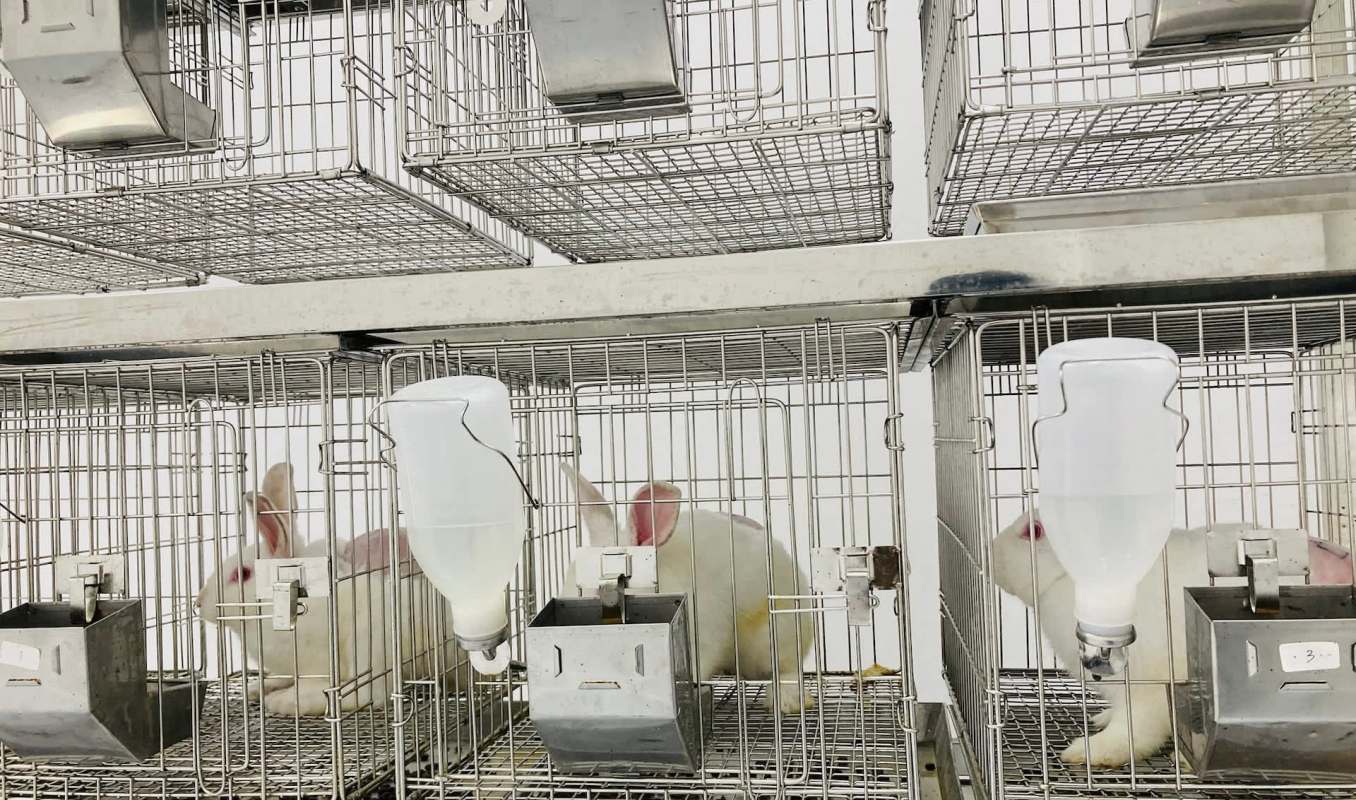
A growing group of U.K. lawmakers is urging the government to end a little-known animal testing practice that critics say allows experiments to be approved without enough scrutiny.
The push comes after data indicated that more than 100,000 animals could be covered by just a small number of broad licenses.
What's happening?
Early Day Motion 465, which seeks to end what critics describe as "blind approval" animal testing, had the support of 27 MPs on July 19, according to Plant Based News. That total included six sponsors and 21 signatories.
Introduced at the end of June by Labour Member of Parliament Neil Duncan-Jordan of Poole, the motion asks the government to stop issuing new generic service licenses, review the ones already in force, and speed up delivery of its "Replacing Animals in Science Strategy."
According to Animal Aid, the licenses at the center of the dispute can authorize broad types of tests before officials know the full details of each individual experiment. Home Office Freedom of Information data cited by Plant Based News showed that six generic service licenses were approved in the first quarter of 2026, allowing more than 100,000 animals to be used over the next five years.
Support for the motion stretches across multiple parties, including Labour's Irene Campbell, Green Party MP Hannah Spencer, Your Party's Jeremy Corbyn, Liberal Democrat Manuela Perteghella, Independent MP Diane Abbott, and Scottish National Party MP Seamus Logan.
TCD Picks » Quince Spotlight
💡These best-sellers from Quince deliver affordable, sustainable luxury for all




Duncan-Jordan said, "When approval is 'blind', so is accountability, and animals pay the price."
Why does it matter?
Critics say the core issue is whether regulators can properly decide if an animal experiment is necessary when they approve it without having the full details in front of them.
That has implications not only for animal welfare but also for public trust in how science is regulated. Animal Aid said over 20,000 people have reached out to their MP since its April "Toxicity Inc." exposé.
Separate Home Office figures showed that total animal testing in the U.K. fell by only 4% from 2024 to 2025, while the use of dogs, cats, monkeys, and horses increased.
Opponents say animal-based toxicity tests can be less reliable than newer methods built around human biology.
What's being done?
EDM 465 does not automatically change the law, but it can signal growing parliamentary support and put ministers on notice that the issue is gaining traction.
Animal Aid is also pushing for a faster shift toward non-animal research tools. Alex Harman, Animal Aid's campaign manager, said the government should move funding toward "superior, human-relevant alternatives like AI and advanced cell models."
Similar fights are playing out elsewhere: the State of Washington recently banned the sale of cosmetics tested on animals, a sign that pressure to move past animal testing is building on both sides of the Atlantic.
The question now is whether this motion leads to concrete reform, especially as advances in AI and lab-based testing make animal-free alternatives increasingly viable.
"Licences should never be issued in the dark," Duncan-Jordan said. Harman added: "The government must halt these unreliable toxicity tests now and immediately shift funding to superior, human-relevant alternatives like AI and advanced cell models."

Get TCD's free newsletters for easy tips, smart advice, and a chance to earn $5,000 toward home upgrades. To see more stories like this one, change your Google preferences here.






