


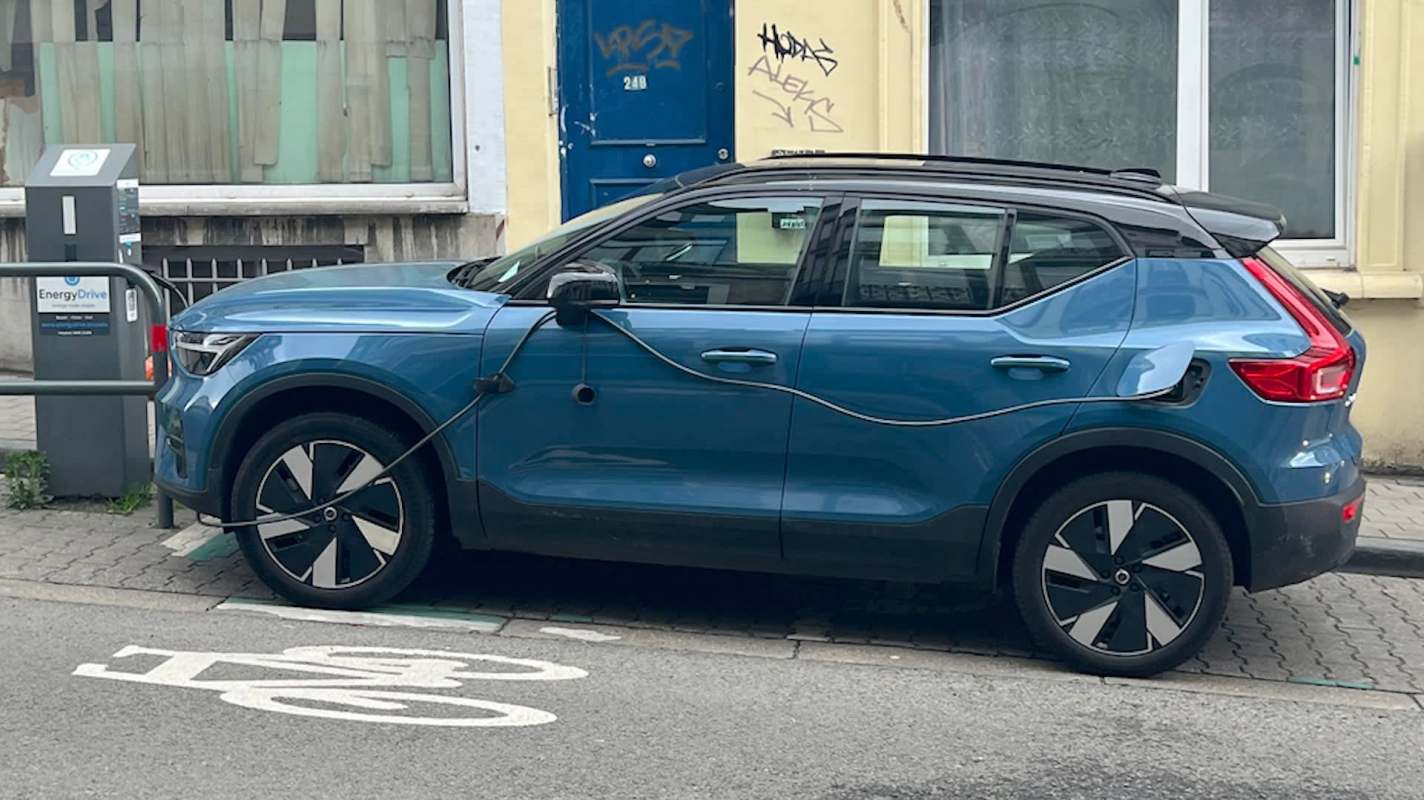
A gas-powered SUV would have cost an estimated £122 in fuel for a U.K. driver's 626-mile trip, compared with the £133.76 he spent charging an electric vehicle.
Here's what to know
A content creator known as Ben Goes Electric drove a Volvo EX40 Twin Motor over three days, making four public charging stops without planning them beforehand, according to Supercar Blondie. He left his Tesla Model 3 out of the experiment to try other charging providers.
The Volvo spent 114 minutes plugged into public chargers, at a cost of £128.66. It finished the largely trouble-free drive with 14% battery remaining.
The final energy cost worked out to approximately 21.4 pence per mile once he included £5.10 for charging at home to restore the battery to its starting level.
The creator put the gas-powered SUV's fuel bill at about £122, based on a gasoline price of approximately £6.51 per gallon (£1.72 per liter). His calculation assumed fuel economy of about 33.3 miles per U.S. gallon (40 miles per imperial gallon), meaning the journey would require around 18.8 gallons (71 liters) of gasoline.
More background
At Cherwell Valley Services, a charger advertised at up to 350 kilowatts delivered just 38 kilowatts because of power restrictions. The 16-minute stop raised the battery from 22% to 36% and cost £8.65.
TCD Picks » Quince Spotlight
💡These best-sellers from Quince deliver affordable, sustainable luxury for all




At Beaconsfield Services, charging from 14% to 80% took 40 minutes and cost £49.98, at 92 pence per kilowatt-hour. By comparison, the creator's overnight home electricity tariff costs around 7.5 pence per kilowatt-hour.
His hotel advertised EV charging, but its chargers were broken. An Ionity stop near Lewes added £36.28 to the bill for a 28-minute session.
The all-wheel-drive Volvo has an 82-kilowatt-hour battery, with 79 kilowatt-hours usable, and used roughly 33.9 kilowatt-hours for every 100 miles on the journey, according to Supercar Blondie.
The creator expected his Tesla Model 3 Long Range to use substantially less electricity on an equivalent journey.
What can be done?
The creator paid £33.75 for his final charging session at an MFG EV Power location in Banbury. Using the company's app lowered the rate from 79 to 59 pence per kilowatt-hour.
He recommended using built-in navigation and route-planning tools such as A Better Routeplanner and Zapmap to assess prices and charging options.
"My advice would be to make use of the technology available and always have an alternative charging location in mind," he told Supercar Blondie.
Despite the higher bill, the creator remained happy to repeat the drive in an electric vehicle. Next time, though, he would check prices first.
"EV road trips don't have to be expensive, but I think drivers should have the option of convenient, reasonably priced charging without needing multiple subscriptions or extensive planning," he told Supercar Blondie.

Get TCD's free newsletters for easy tips, smart advice, and a chance to earn $5,000 toward home upgrades. To see more stories like this one, change your Google preferences here.






