


For years, climate advice has largely focused on using less energy, but a low-carbon campaigner in the United Kingdom argues that this logic no longer applies across the entire energy transition. He claims that households should use less non-renewable energy while using more clean electricity for driving, heating, cooking, and other daily needs.
Here's what to know
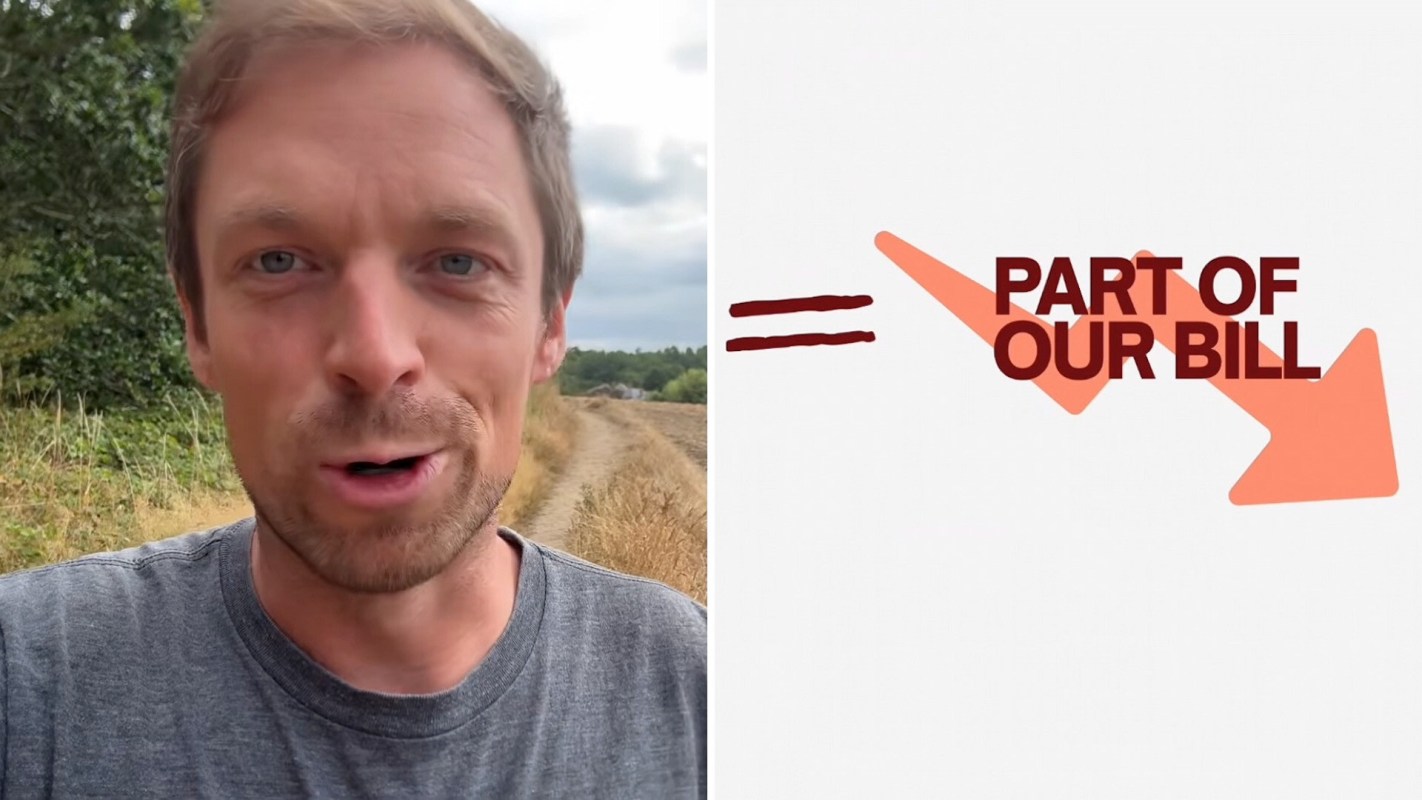
In a YouTube video, Tom Bray (@TomBray-LowCarbonLifestyle) summed up his position by stating, "I still want you to use less gas, less petrol or diesel," but added, "when we can get something useful out of using electricity, I think we should."
His case depends on how the energy system is changing. As more wind, solar, nuclear, and storage are added to the grid, he said electricity is becoming both cleaner and more effective at reducing planet-warming pollution. From that perspective, the bigger problem in many cases is no longer electricity itself, but the non-renewable energy sources it can replace.
A big part of his argument involves how grid upgrades are paid for. When utilities must keep investing in modern infrastructure, but overall electricity use remains low, those fixed costs are spread across fewer kilowatt-hours, which can keep prices high. If more homes switch from gas boilers and petrol- or diesel-fueled cars to heat pumps and electric vehicles, those same costs could be shared across more electricity use.
He also pointed to the current power mix as evidence for his argument, noting that wind was the leading source of electricity and that solar accounted for more than 14% of the supply in July.
More background
In effect, the idea reverses an older environmental script. Instead of treating all energy consumption as equally damaging, it separates higher-polluting fuels from electricity that is increasingly cleaner.
TCD Picks » Quince Spotlight
💡These best-sellers from Quince deliver affordable, sustainable luxury for all




Bray said that distinction could matter financially for households too. He said EVs charged at home are "much cheaper to run than a petrol or diesel car" and that heat pumps, if they are installed properly and used with time-of-use tariffs, cost less to run than gas boilers. At the same time, he acknowledged that asking people to use more electricity can still sound risky when power bills are high, and the upfront cost of new equipment is unaffordable for many families.
"I fully electrified my house and transport," one commenter wrote. "It tripled my electricity usage (I offset some with solar) but I cut my energy use to a third of what it was. I started in 2018 and finished in 2022. It's been so much better."
"Fully agree, we are heading towards sustainable abundance," another commenter said, "However, the narrative with use more electricity need to be framed by demand flexibility."
What can be done?
For people who can afford upgrades, the starting point may be household activities that consume the most non-renewable energy, such as transport, space heating, and cooking. In practice, that might mean buying an EV, swapping a gas boiler for a heat pump, or adopting induction, plug-in electric heating, and other efficient electric appliances.
Bray also argued that when electricity gets used matters. Charging vehicles, running appliances, or filling home batteries during especially sunny or windy periods could make better use of cheap, already available renewable power and help reduce curtailment.

Get TCD's free newsletters for easy tips, smart advice, and a chance to earn $5,000 toward home upgrades. To see more stories like this one, change your Google preferences here.






