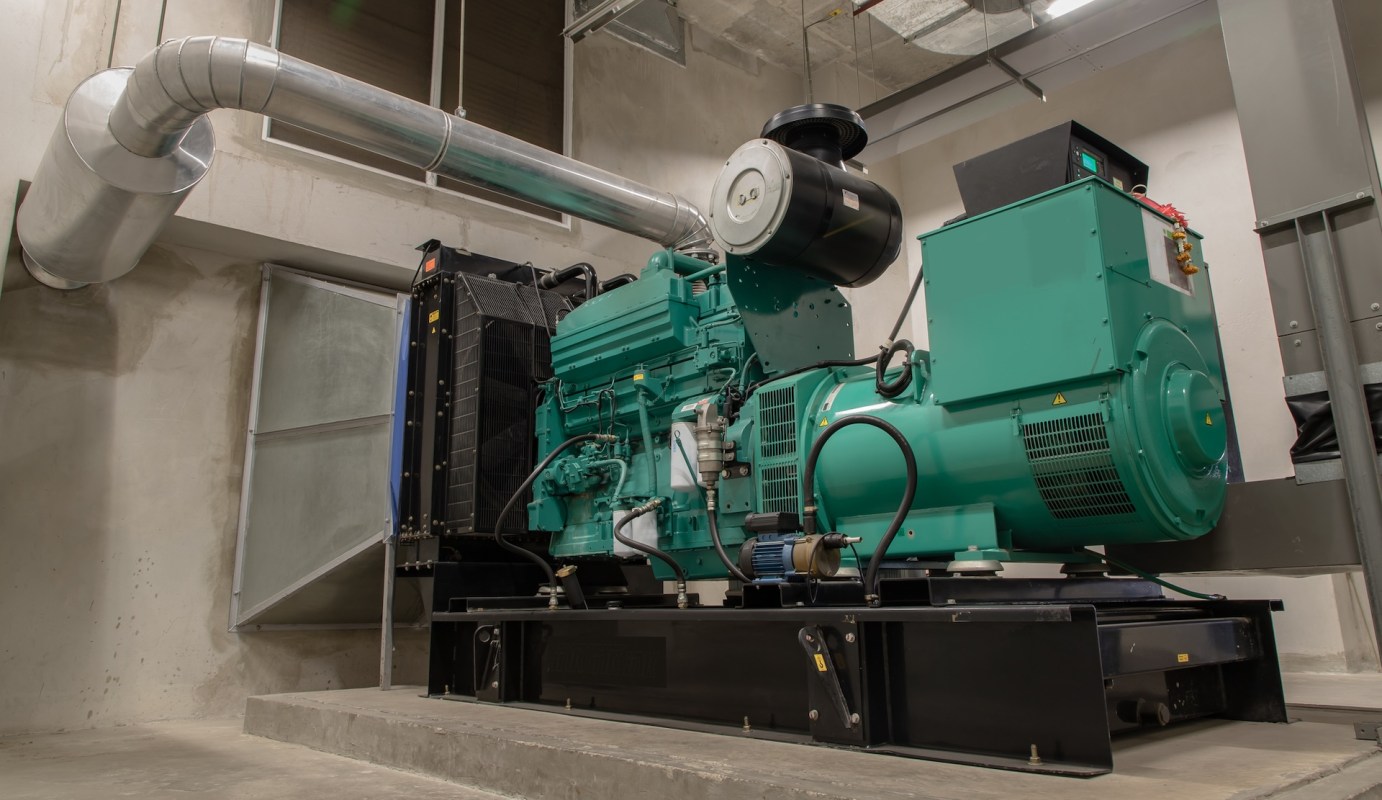
A backup generator may pass a routine check but struggle when a storm leaves it powering an entire facility.
For businesses and essential services, hidden problems can turn a power outage into a prolonged disruption.
Here's what to know
Andrew Keith, division director at load bank manufacturer Power Prove, is calling for infrastructure operators to include tests under realistic electrical demand in their storm preparations, according to Machinery Market.
To determine whether it can keep operations running, take into account the condition of backup equipment and the power needed throughout an outage. When the normal electricity supply fails, generators and uninterruptible power supply systems provide power.
Fuel-flow restrictions, insufficient cooling, or unstable voltage are some problems that can surface during extended generator operation.
Aging UPS batteries may lose performance, which can shorten the period they can keep essential equipment running.
TCD Picks » Quince Spotlight
💡These best-sellers from Quince deliver affordable, sustainable luxury for all




More background
In January 2026, Storm Goretti struck the United Kingdom. According to Machinery Market, the Met Office said electricity outages affected tens of thousands of properties.
When power loss coincides with other storm-related problems — like damage from debris — businesses and essential services may face a harder recovery. Severe weather can delay fuel deliveries and maintenance work, while flooding can limit access to facilities.
Backup equipment may therefore need to operate for extended periods before outside help arrives.
The State of the UK Climate report stated that "weather extremes are becoming more frequent, increasing the risk of disruption for organisations that rely on continuous power."
What can be done?
Keith recommends including load bank testing in regular equipment maintenance, according to Machinery Market. These tests let engineers evaluate generators and UPS equipment before an outage by using a load bank to impose a known electrical demand.
Operators can address inadequate capacity or unstable voltage identified by engineers before a storm creates an urgent need for backup electricity. Testing should reflect the facility's power requirements.
Operators also need to consider the sequence for switching to backup power, as well as flooding and restricted site access.
Engineers can use UPS battery discharge tests to establish how long businesses and essential services can expect equipment to run during an outage. The tests measure available battery capacity and runtime under defined conditions.

Get TCD's free newsletters for easy tips, smart advice, and a chance to earn $5,000 toward home upgrades. To see more stories like this one, change your Google preferences here.
Cool Picks