


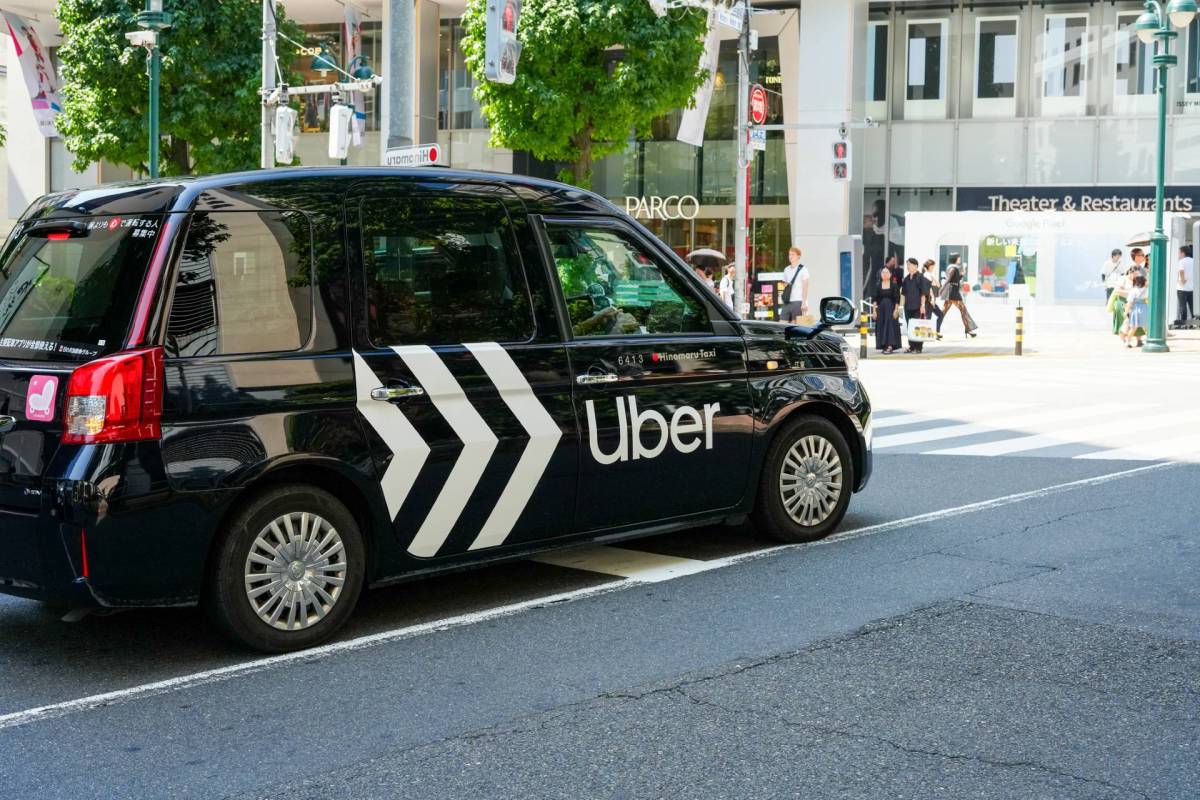
Uber has logged record electric vehicle activity, with drivers worldwide completing more than 26 EV trips per second on average.
Still, the organization's goal of offering only zero-pollution rides across major markets by 2030 is a distant target.
Here's what to know
Between July and September, Uber averaged 434,000 EV drivers worldwide. They completed 207.4 million electric rides during the quarter, 52% more than a year earlier, per InsideEVs.
EVs accounted for 10% of the platform's rides in the United States and Canada, compared with 20% in Europe.
The company aims to make every ride in Europe, Canada, and the United States zero-emission by the end of 2030, though it acknowledges that its progress falls well short of that ambition.
More background
While the number of electric rides has grown, Uber's reported pollution per passenger mile has not shrunk consistently. Drivers of gas- and diesel-powered vehicles continue to flock to the platform.
TCD Picks » Quince Spotlight
💡These best-sellers from Quince deliver affordable, sustainable luxury for all




In the United States and Canada, the company reported an average of 11.2 ounces (318 grams) of carbon dioxide per passenger mile. That was an improvement from 12 ounces (340 grams) in 2024, but it remained above the 10.8-ounce (306-gram) average recorded in 2023.
Europe's reported average was considerably lower, at 6.56 ounces (186 grams) per passenger mile. That figure improved on both 2024 and 2023, though it was still above the 6.46-ounce (183-gram) average in 2022.
Uber attributed the regional gap partly to European drivers' greater use of EVs and hybrids, per InsideEVs. The company also cited stricter U.S. fuel economy reporting standards as a factor in the difference between the reported figures.
What's being done?
Expanded charging infrastructure and incentives have helped European drivers switch to EVs, according to InsideEVs. Uber has also offered drivers financial rewards for making the change. Since the third quarter of 2024, Europe has pulled further ahead of the United States and Canada in adoption.
The company had aimed for London and Amsterdam to reach 100% zero-emission rides by 2025, but the actual share came in at 41%.
Uber had also set a 2025 target for EVs to cover half of the mobility miles logged in seven European capital cities. The year ended at 32%, another shortfall between the company's ambitions and what drivers actually delivered.
The company said it remains "deeply committed to this transition," while acknowledging that many factors are outside its control, InsideEVs reported.
It added that its 2030 goals "continue to be out of reach" given existing trends.
Where can I learn more?
Uber's push for more electric rides depends partly on driver earnings, charging access, and the wider EV market.
• In England, an Uber driver earned £138.50 on one charge before draining his Tesla's battery.
• In California, a ride-hailing newcomer rolled out 500 EVs, with every driver on its payroll.
• U.S. EV charging sessions jumped 34%, while new charger installations increased by only 16%.
• In San Diego, an EV driver considered switching back to gas as robotaxis crowded chargers.
• Worldwide, gas-only cars fell below half of new sales as pricier fuel boosted EVs and hybrids.

Get TCD's free newsletters for easy tips, smart advice, and a chance to earn $5,000 toward home upgrades. To see more stories like this one, change your Google preferences here.






