


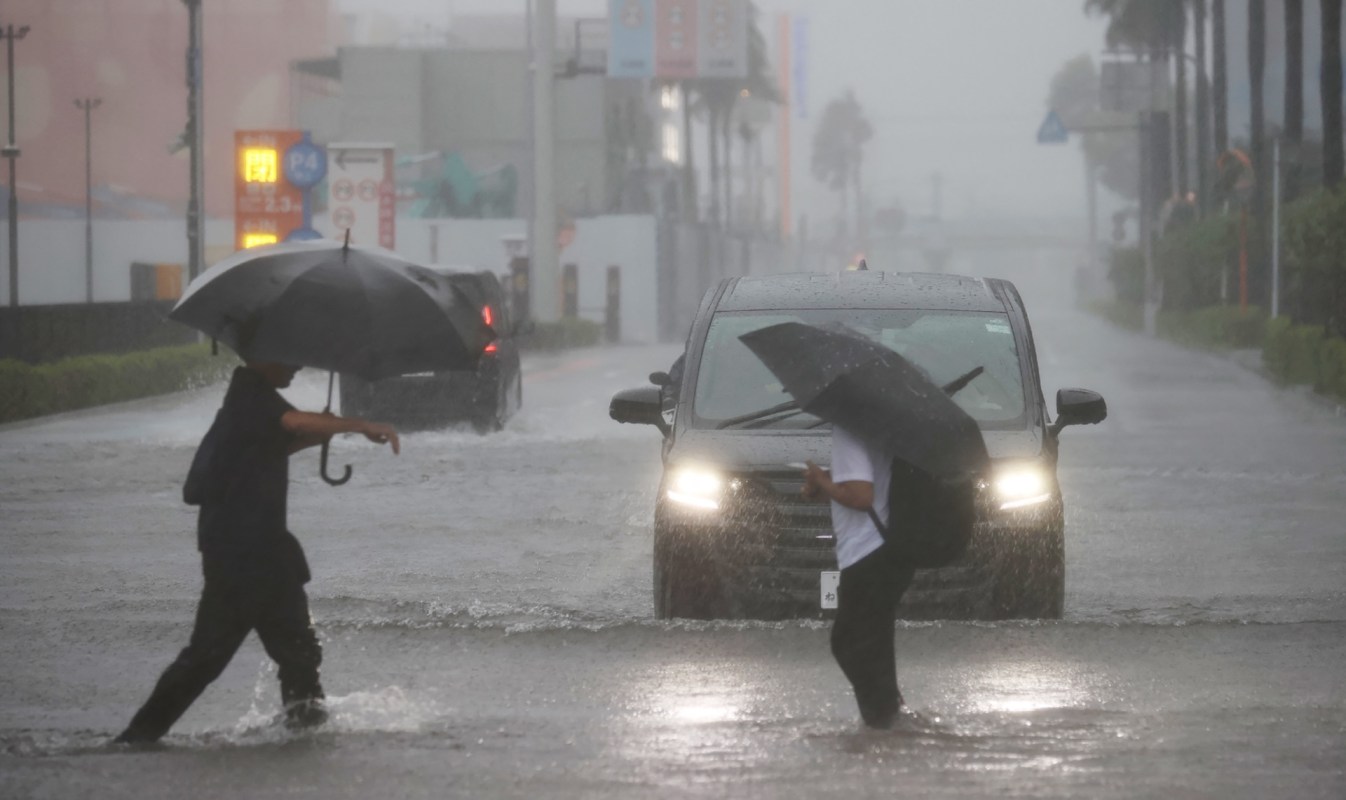
As Typhoon Dujuan moved across Japan, nearly 2 million people were told to evacuate as hazardous winds and the risk of extreme rainfall threatened the Tokyo metropolitan area, one of the world's largest urban centers.
Here's what to know
According to a Sept. 21 Instagram post from BBC Weather (@bbcweather), Typhoon Dujuan prompted evacuation orders for almost 2 million people, with sustained winds of 80.8 miles per hour (130 kilometers per hour) and gusts up to 120.5 miles per hour (194 kilometers per hour).
For the Tokai region, the forecast called for as much as 13.8 inches (350 millimeters) of rain, enough to overwhelm drainage systems quickly and sharply raise the risk of flash flooding.
The post described Dujuan as the region's 25th named storm of 2026 so far and said El Niño may make stronger storms in the region more likely.
More background
Major storms like this are dangerous not only because of wind damage, but also because heavy rainfall can quickly become deadly. Even places with strong infrastructure can face severe flooding when a storm drops many inches of rain over a short period.
Evacuation orders are among the most important tools officials have to reduce loss of life. Moving people out of high-risk areas before floodwaters rise or winds worsen can help prevent tragedies and make emergency response more effective.
TCD Picks » Quince Spotlight
💡These best-sellers from Quince deliver affordable, sustainable luxury for all




For more on how powerful storms are affecting communities across Asia and beyond, these stories cover stronger typhoons, deadly flooding, evacuations, and the destruction major storms can leave behind.
• Across Taiwan, the intensity of typhoons and other tropical storms has increased in most places.
• Near Hong Kong, Super Typhoon Ragasa left mass destruction behind and claimed dozens of lives.
• In Portugal and Spain, a catastrophic storm threatens major cities with evacuation orders and flooding.

Get TCD's free newsletters for easy tips, smart advice, and a chance to earn $5,000 toward home upgrades. To see more stories like this one, change your Google preferences here.






