


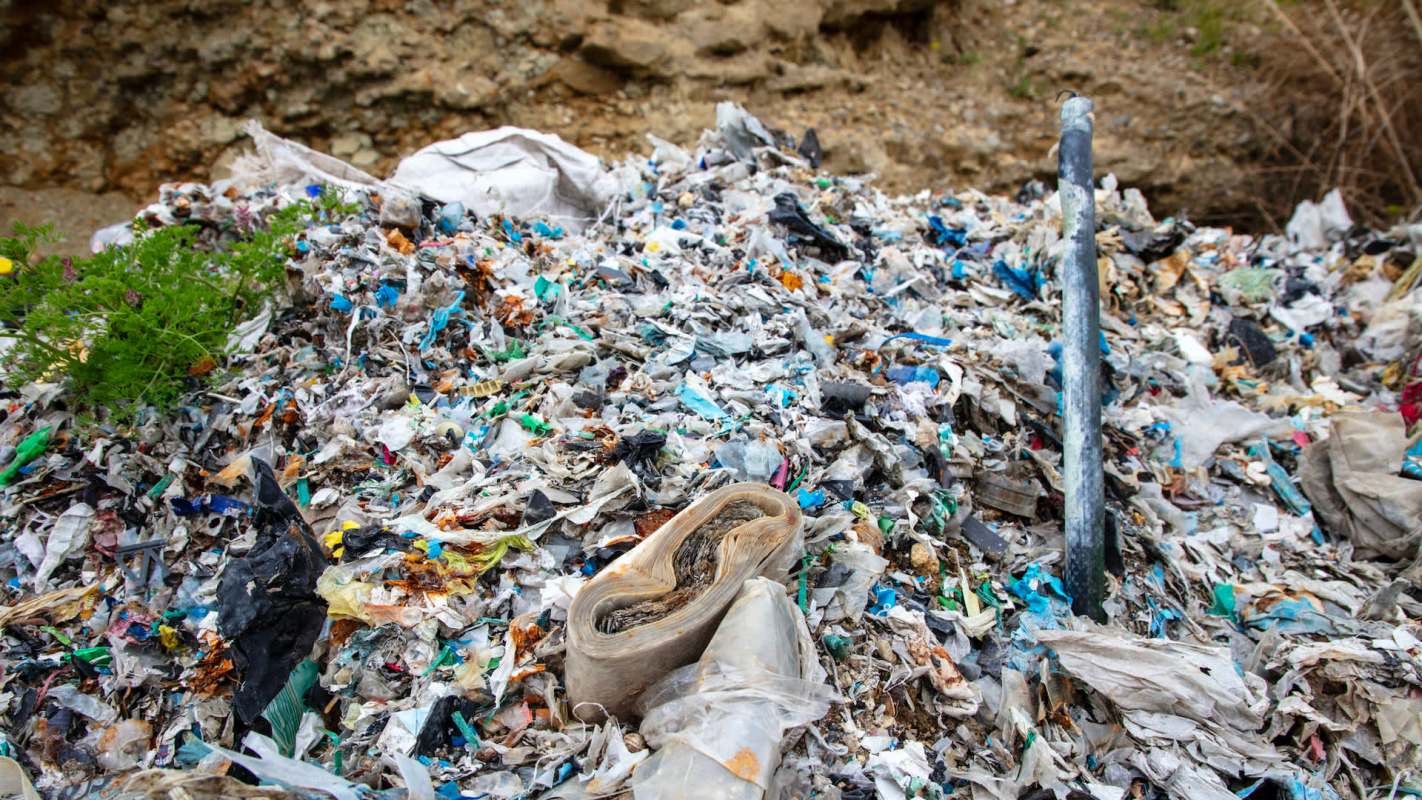
Marine biologist Sedat Gundogdu of the Microplastics Research Group warned that measurements in the Mediterranean showed microplastic concentrations as much as 65 times higher than previously recorded levels.
In Turkey's agricultural heartland, communities situated near recycling facilities say imported plastic waste is making daily life unbearable, according to AFP (via Kuwait Times).
Here's what to know
The European Commission valued Turkey's plastic waste imports from the EU at €94 million, or approximately $105 million.
In 2025, Turkey received about 562,000 U.S. tons (510,000 metric tons) from the bloc and another 154,000 U.S. tons (140,000 metric tons) from Britain.
Around 170 recycling companies operate in Adana, a southern province whose productive farmland supplies over one-third of Turkey's citrus harvest, per AFP. The province receives nearly 60% of that imported waste.
Gundogdu told AFP that shredding at recycling facilities accounted for up to 93% of the microplastics measured. Rivers and floodwaters transport these particles from Adana to the Mediterranean, he explained.
TCD Picks » Quince Spotlight
💡These best-sellers from Quince deliver affordable, sustainable luxury for all




British tomato sauce sachets, French ham wrappers, and Austrian chip bags stay recognizable in the poorly shredded waste, offering clues about where the discarded packaging originated.
More background
For Ibrahim Yildiz, a 65-year-old shepherd who grazes sheep beside an Adana canal, the pollution has become part of daily life.
His animals no longer produce milk, and Yildiz noted that the conditions have persisted for a decade. Plastic shavings have piled up in mountains near the rows of clementine trees.
Residents of Kucukdikili, a disadvantaged Adana suburb, accuse recycling companies of routinely burning waste outdoors and presenting the incidents as accidental fires.
The Microplastics Research Group has counted close to 200 recycling plant fires a year throughout Turkey, AFP reported.
Murat Esin, who lives next to a recycling facility, said residents have seen no relief despite appeals to Turkey's highest authorities.
"We can't breathe because of the smell and the ash that covers everything. Cancer cases are multiplying here, but nobody listens to us," Esin told AFP.
What's being done?
Environment Minister Murat Kurum said on Oct. 23 that authorities had closed businesses and imposed penalties after identifying illegal waste imports in Adana.
He described permitted incoming material as ground granules used as raw material for manufacturing.
Turkey's COP31 agenda includes First Lady Emine Erdogan's "Zero Waste" campaign, according to Turkey's environment ministry.
Samed Agirbas, the Zero Waste Foundation's president, told AFP that imported plastic must undergo processing that does not damage the environment, emphasizing the need for effectively monitored, traceable waste management systems.
A change in EU rules could put additional pressure on Turkey's recycling facilities and neighboring communities.
An EU ban on plastic waste exports to countries outside the Organisation for Economic Co-operation and Development takes effect Nov. 21.
Turkey's OECD membership, however, leaves it eligible to continue receiving shipments.
Gundogdu is calling for an end to the waste trade, arguing that inspections and fines are not enough.
As Turkey hosts COP31 in Antalya, he sees an opportunity for the country to change course.
"A call to end the waste trade would put Turkey in a leadership position. The goal of zero waste can only be achieved by ending these imports."

Get TCD's free newsletters for easy tips, smart advice, and a chance to earn $5,000 toward home upgrades. To see more stories like this one, change your Google preferences here.






