


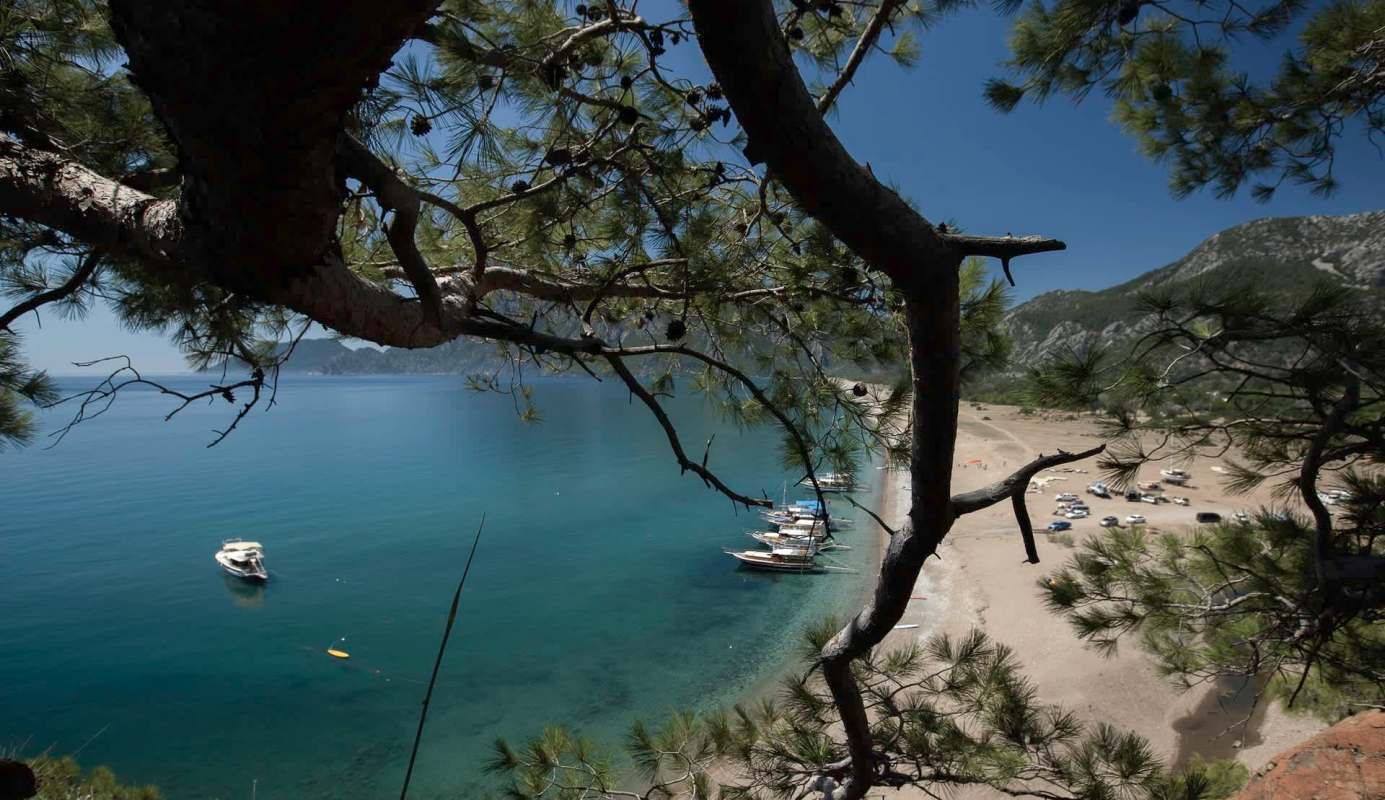
Microplastic concentrations along Turkey's Mediterranean coast reached up to 65 times previously reported highs, raising concerns about pollution linked to industrial recycling. The possible connection between waste facilities and pollution was based on signs of plastic processing found on many of the particles.
Here's what to know
A recent study found that, in Alanya, microplastic levels were unusually high, according to Türkiye Today. Sedat Gündoğdu, a marine scientist at Çukurova University, led the research.
Measurements ranged from twice to 65 times the previous maximum concentrations documented in research. Much of the plastic waste bore physical markings indicative of industrial recycling, including signs of cutting, grinding, and extrusion.
Alanya and Kemer were among the places where researchers and environmental groups reported high levels of plastic accumulation, with affected areas extending toward Fethiye in Muğla province, according to Türkiye Today.
Recycling facilities located in Adana and Mersin have drawn attention, as their industrial areas are connected to the Mediterranean via waterways and drainage systems.
More background
Not all of the plastic waste originated in Turkey. European Union nations shipped over 503,000 metric tons of plastic waste to Turkey during 2025, with Britain sending 139,000 tons, The Guardian reported after it examined waterways near facilities in Adana that handled imported plastics.
TCD Picks » Quince Spotlight
💡These best-sellers from Quince deliver affordable, sustainable luxury for all




Once plastic particles enter the Mediterranean, currents could carry them far beyond Turkey's shores. A 2021 study in Frontiers in Marine Science identified pathways connecting eastern Mediterranean waters with the eastern Aegean Sea, Türkiye Today reported.
Despite the vast distances they sometimes have traveled, most plastic particles in the Mediterranean make it back to shore, where they pollute beaches and shorelines. An October meta-analysis in Environmental Pollution reviewed 108 studies and modeled nearly 580,000 particles. It found that 58.5% of the simulated particles contacted coastlines.
What's being done?
Turkey's Ministry of Environment, Urbanisation, and Climate Change carried out 1,396 inspections in six provinces from July 1 to Sept. 15, according to Türkiye Today. In response, the ministry announced ₺153.6 million ($3 million) in administrative fines imposed across 76 facilities, with operations halted at 28 of them.
The president's communications directorate challenged allegations that European garbage dumping had contributed to the waste, saying that Turkish rules prohibit imports of hazardous waste, materials that cannot be recycled, and waste intended for disposal. It added that due to these prohibitions, only qualifying recyclable materials were permitted to enter licensed facilities. Shipments that did not comply with these requirements were returned to their countries of origin.
Where can I learn more?
The pollution concerns along Turkey's coast raised questions about where plastic waste travels and how people are exposed to it.
• On Japan's Okinawa beaches, researchers have found plastic fused with coral, dubbed "plasticoral."
• Microplastics once considered chemically inert may have sparked harmful molecules in blood.
• After China's plastic ban, Latin America became a waste import hotspot, raising health concerns.
• In Switzerland, 219 tons of airborne microplastics settled annually onto soil and water.

Get TCD's free newsletters for easy tips, smart advice, and a chance to earn $5,000 toward home upgrades. To see more stories like this one, change your Google preferences here.






