


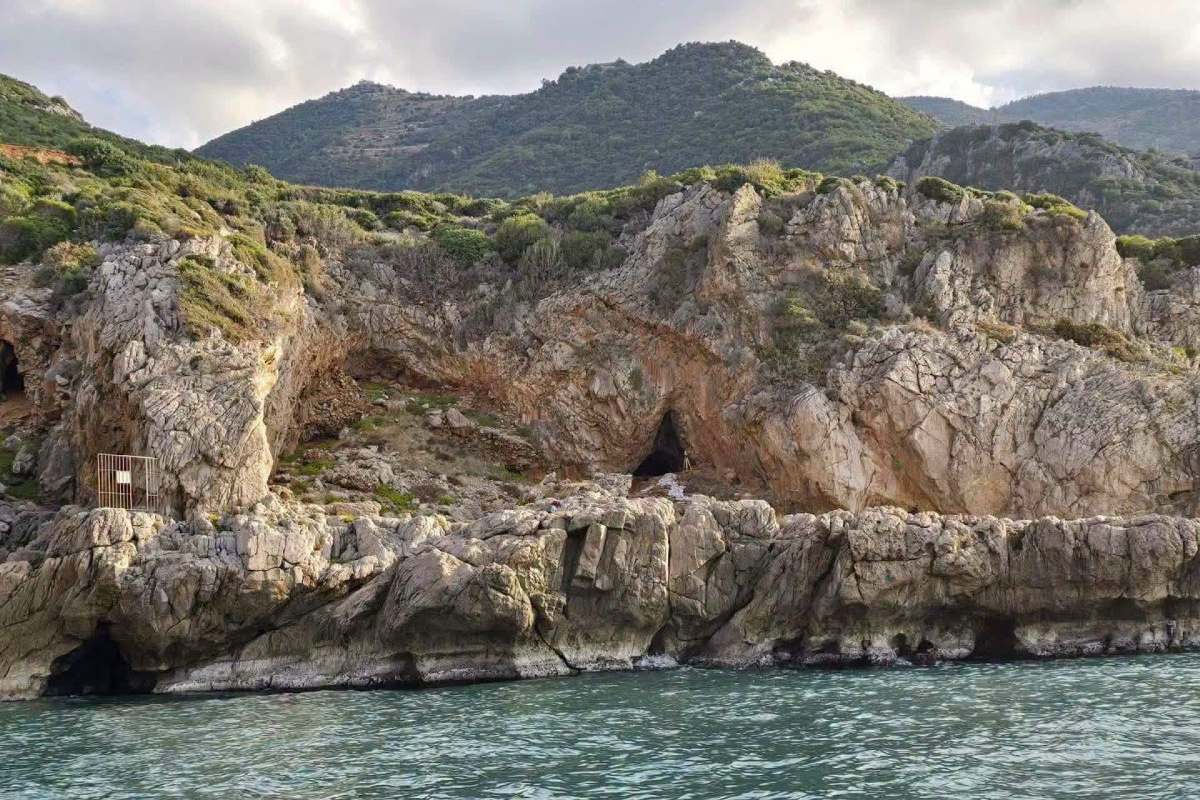
Findings from a cave on Turkey's Mediterranean coast are complicating how scientists view humans' relationships to Neanderthals.
What's happening?
After researchers explored the Üçağızlı II Cave in southern Turkey, they found evidence that
humans and Neanderthals may have shared traditions and culture for tens of thousands of years.
They published their findings from the five-year excavation in the peer-reviewed journal PNAS.
Instead of showing two populations that merely occupied the same geographic regions at different times, the unearthed evidence suggests Neanderthals and modern humans may have overlapped in daily practices, including toolmaking and the use of objects with social or cultural meanings, according to Archaeology Magazine.
By using fossilized evidence within the cave, including teeth, the researchers found that Neanderthals existed there between 77,000-59,000 years ago, while Homo sapiens inhabited the cave slightly later, around 59,000-47,000 years ago.
TCD Picks » Quince Spotlight
💡These best-sellers from Quince deliver affordable, sustainable luxury for all




In both periods, Neanderthals and Homo sapiens made comparable stone tools from flint and hunted many of the same animals, including wild boar, roe deer, fallow deer, and wild goats. The similarity of tools may indicate the sharing of information between the groups.
Archaeologists also recovered 29 sea snail shells. Because these shells likely offered no food value, they are considered to be ornamental. Several had small holes, and one shell from the Neanderthal-era fossils appears to have been intentionally heated to alter its color before being worn.
Why does it matter?
For years, symbolic objects such as beads and personal ornaments were often treated as signs of behavior unique to modern humans. But this study adds to growing evidence that Neanderthals also used meaningful objects and may have participated in similar social traditions.
Rather than telling a simple story in which one group was more advanced than the other, the cave points to two closely related populations with overlapping skills, preferences, and ways of expressing identity.
Scientists are continuing to study Üçağızlı II Cave layer by layer to better understand how these traditions developed and moved across the region. The site offers a rare opportunity to compare behavior across thousands of years.

Get TCD's free newsletters for easy tips, smart advice, and a chance to earn $5,000 toward home upgrades. To see more stories like this one, change your Google preferences here.






