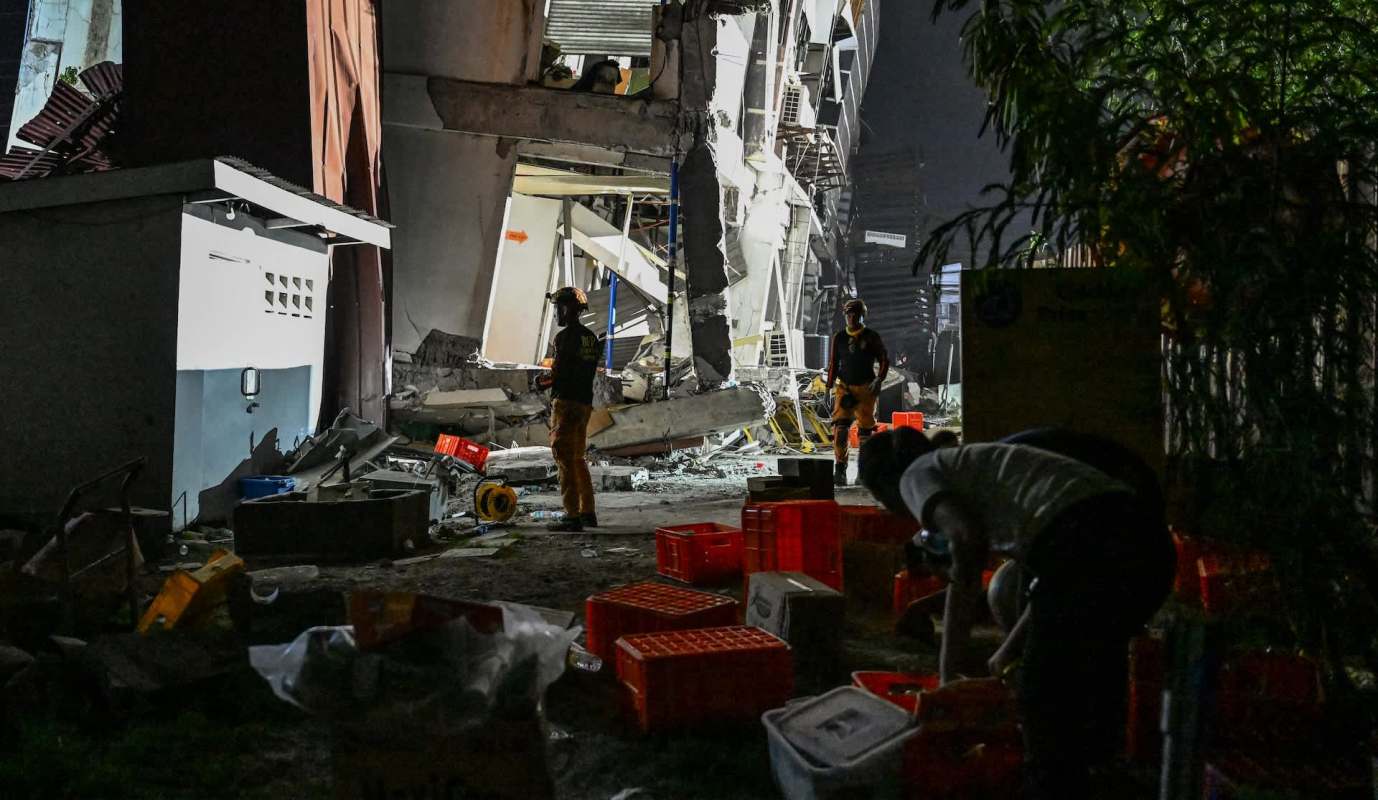
Tsunami concerns spread across the southern Philippines after a powerful earthquake struck early Monday, adding to worries in communities that already live with frequent natural hazards.
The magnitude 7.8 tremor hit the Mindanao region, putting parts of the Philippines and nearby countries on alert for potentially dangerous coastal waves.
What happened?
The U.S. Geological Survey said the quake was centered about 15.3 miles west-southwest of Burias, Philippines, at a depth of 22 miles, and struck at 7:37 a.m. local time, CBS News reported.
No immediate reports of damage were available in the aftermath.
The Pacific Tsunami Warning Center said parts of Indonesia and Malaysia could see waves of up to 3 feet, while some Philippine coastlines faced the possibility of waves reaching 10 feet.
Other locations that could experience smaller tsunami waves included Taiwan, Japan, Guam, Papua New Guinea, and several island nations and territories across the western Pacific.
TCD Picks » Good Store Spotlight
Get 10% off your next purchase with code TCD10




Residents reported feeling tremors in parts of Indonesia, including North Sulawesi and North Maluku.
Why does it matter?
Because it lies on the Pacific "Ring of Fire," the Philippines ranks among the world's most disaster-prone countries and regularly experiences earthquakes and volcanic eruptions.
The archipelago is hit by roughly 20 typhoons and tropical storms each year, compounding the risks communities already face.
A major earthquake can damage homes, roads, ports, hospitals, and power systems within minutes, while tsunami threats can force rapid evacuations in vulnerable coastal areas.
TCD Picks » Quince Spotlight
💡These best-sellers from Quince deliver affordable, sustainable luxury for all




Repeated disasters can put both safety and livelihoods at risk, making recovery more difficult each time.
What's being done?
Emergency monitoring agencies quickly assessed the quake and issued warnings about possible tsunami impacts.
Even smaller tsunami waves can create dangerous currents and flooding near beaches, harbors, and river mouths.
Officials were still assessing conditions Monday.

Get TCD's free newsletters for easy tips, smart advice, and a chance to earn $5,000 toward home upgrades. To see more stories like this one, change your Google preferences here.