


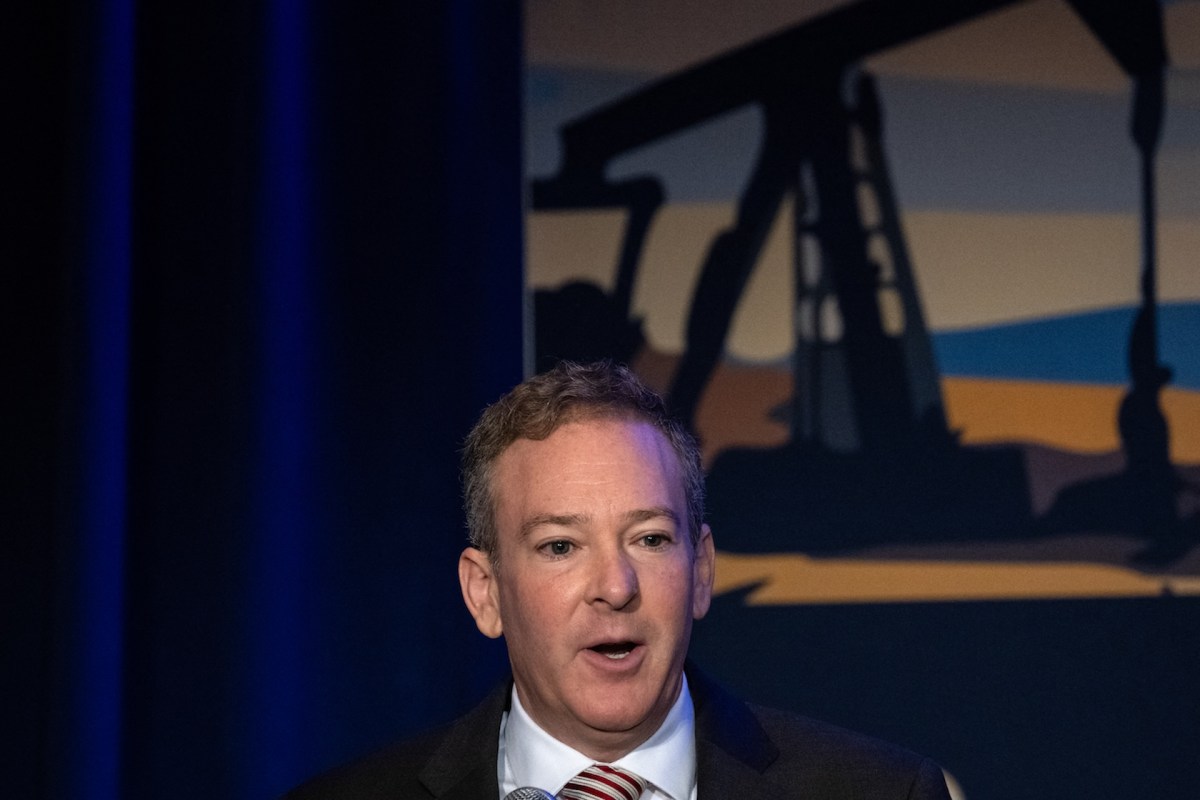
Federal regulators under President Donald Trump are scrapping rules that capped climate pollution from coal- and gas-burning power plants in the United States, a change with major implications for efforts to curb one of the country's biggest sources of heat-trapping gases.
Here's what to know
According to The New York Times, the Environmental Protection Agency under President Trump is withdrawing a rule from former President Joe Biden's administration that would have required many coal plants to sharply cut climate pollution by 2039 or shut down.
In announcing the rollback, EPA Administrator Lee Zeldin said earlier administrations had carried out a "war on coal." The agency also asserted that pollution from U.S. power plants has "no material impact on global climate change," a position environmental and energy experts have strongly disputed.
"And I still have to get an emissions test for my vehicle just to have it registered in my state and be allowed to drive it," one user commented on a Reddit post about the report.
"Full steam off the edge of the cliff, aye?" another added.
Power generation is the No. 2 source of planet-warming gases in the U.S., the Times reported. Experts also said that if the U.S. power sector were treated as its own country, it would rank as the world's fifth-biggest climate polluter.
TCD Picks » Quince Spotlight
💡These best-sellers from Quince deliver affordable, sustainable luxury for all




When the Biden administration finalized its 2024 power plant rule, it estimated $120 billion in health-related benefits by 2047. For 2035 alone, the administration projected up to 1,200 fewer premature deaths, 360,000 fewer asthma attacks, and 48,000 fewer school absence days.
More background
To make the rollback stick, the EPA is pursuing two steps at once: repealing the earlier rule and arguing that the Clean Air Act does not give the agency authority to regulate pollution from power plants.
If judges accept that argument, future administrations could face much steeper legal hurdles in trying to restore climate pollution limits, the Times reported. Carrie Jenks, executive director of the Environmental & Energy Law Program at Harvard Law School, said officials are "swinging for the fences" to block regulation of one of the nation's largest pollution sources.
Burning coal and gas contributes to hotter temperatures and more intense weather disasters, while power plant pollution is also linked to soot and other contaminants that can worsen breathing problems and add strain to hospitals, schools, and household budgets.
Coal had already been losing ground in the U.S. power mix, with its share of electricity generation falling from more than half in 1990 to roughly 17% in 2025. Even so, utilities are building more gas plants as electricity demand rises, including demand tied to artificial intelligence data centers.
What can be done?
The immediate fight will likely move to the courts. Several Democratic-led states and environmental groups have said they plan to challenge the EPA's move, setting up what could become another major Supreme Court fight over federal climate authority, according to the Times.
Communities and utilities still have options even without stricter federal rules. Renewable energy sources such as solar and wind, along with battery storage and energy-efficiency upgrades, can help reduce pollution while often lowering energy costs.
Reducing demand at home through weatherization, efficient appliances, and smarter cooling and heating choices can help families save money and cut the pollution tied to electricity use.
State utility decisions and public comment periods shape choices about retiring coal plants, approving new gas plants, and investing in cleaner power.
"This is another nail in the coffin for this administration's commitment to protecting people and tackling the climate crisis," said Manish Bapna, president of the Natural Resources Defense Council, per the Times.
Where can I learn more?
The rollback of climate pollution limits is part of a wider EPA effort to weaken or revisit environmental safeguards.
• Across U.S. coal country, "permits for life" on coal ash could weaken oversight.
• The EPA's air-pollution policy reversal showed how quickly protections can change across administrations.
• At the EPA, dangerous chemicals in the U.S. could stay in wider use under proposed changes.
The fight over power-plant pollution also reaches into the scientific and legal foundations of U.S. environmental policy. Federal decisions can ripple through public health, energy, and climate risks nationwide.

Get TCD's free newsletters for easy tips, smart advice, and a chance to earn $5,000 toward home upgrades. To see more stories like this one, change your Google preferences here.






