


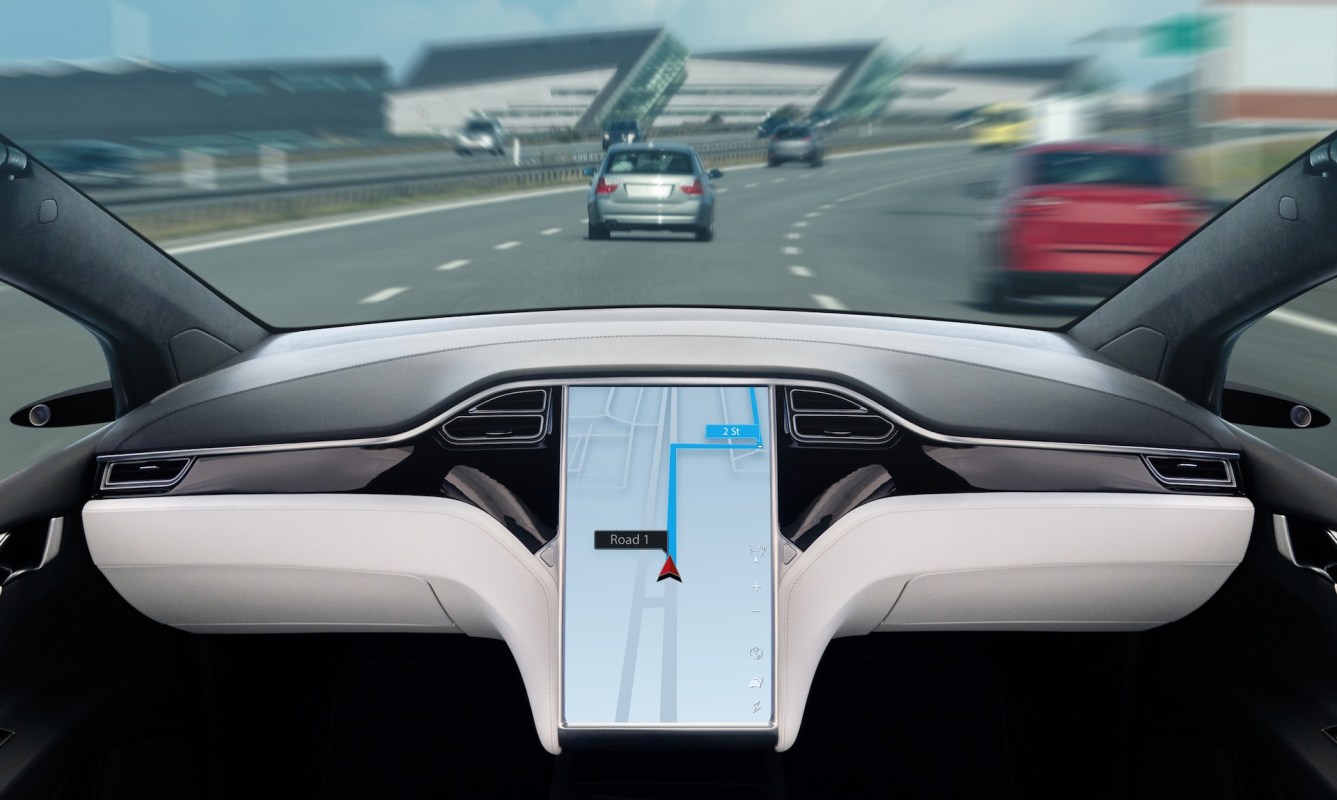
Americans could soon begin seeing robotaxis with no brake pedals operating on public roads.
As TechCrunch reports, federal regulators are considering a change that could make it easier for Tesla, Zoox, and similar companies to deploy autonomous vehicles, potentially broadening ride choices while also sharpening concerns about safety and oversight.
What happened?
Under the proposal, federal rules would no longer require brake pedals in vehicles "designed to be driven exclusively by automated driving systems," according to the outlet. The public now has 30 days to submit comments before regulators decide whether to adopt the revision.
At present, TechCrunch noted that companies whose vehicles do not comply with Federal Motor Vehicle Safety Standards must seek exemptions, and those exemptions still cap the number of such vehicles that can operate on public roads. If the change is approved, purpose-built autonomous vehicles that omit both pedals and a steering wheel would face one less major hurdle.
The National Highway Traffic Safety Administration explained the move in a press release.
"We are at the cusp of the greatest technological revolution in vehicle technology since the innovation of the Model T," NHTSA Administrator Jonathan Morrison said in the release. "If we want America to lead the way, we have to reimagine our regulatory framework."
TCD Picks » Quince Spotlight
💡These best-sellers from Quince deliver affordable, sustainable luxury for all




TechCrunch added that the Trump Department of Transportation also proposed loosening other standards last year, while the Biden administration earlier finalized a rule allowing autonomous vehicles to operate without steering wheels.
Tesla has been operating a limited robotaxi service in Austin, Texas, gradually removing safety drivers from the front seat and leaving the vehicles to operate "unsupervised."
The proposal could be especially significant for the company because Elon Musk has spent the last few years developing Tesla's pedal-free, steering-wheel-free Cybercab, as TechCrunch noted. That is despite the fact that Tesla has not applied for an exemption for it.
Why does it matter?
The most immediate effect could be more autonomous ride options arriving sooner, especially in places already testing robotaxis.
Supporters argue that faster approval could mean more convenient transportation, lower operating costs over time, and better mobility for people who cannot or do not drive.
At the same time, removing pedals means there is no in-cabin fallback if something goes wrong. Given that autonomous vehicles are involved in more accidents per mile driven than manually operated cars, and have been frequently seen causing issues by blocking traffic, this could pose serious problems. That puts even more weight on software performance, remote assistance, and federal enforcement.
Companies such as Waymo already use modified conventional vehicles with manual controls, so this proposal is more consequential for manufacturers building entirely new vehicles around autonomy, TechCrunch noted.
What are people saying?
Morrison framed the proposal as one that would, in fact, bolster safety.
"NHTSA is tearing down pointless barriers to innovative designs while strengthening the fundamental safety requirements that matter and holding AV developers accountable for safe performance," he declared in the release. "This approach will ultimately reduce roadway crashes, prevent fatalities, and increase mobility."

Get TCD's free newsletters for easy tips, smart advice, and a chance to earn $5,000 toward home upgrades. To see more stories like this one, change your Google preferences here.







