


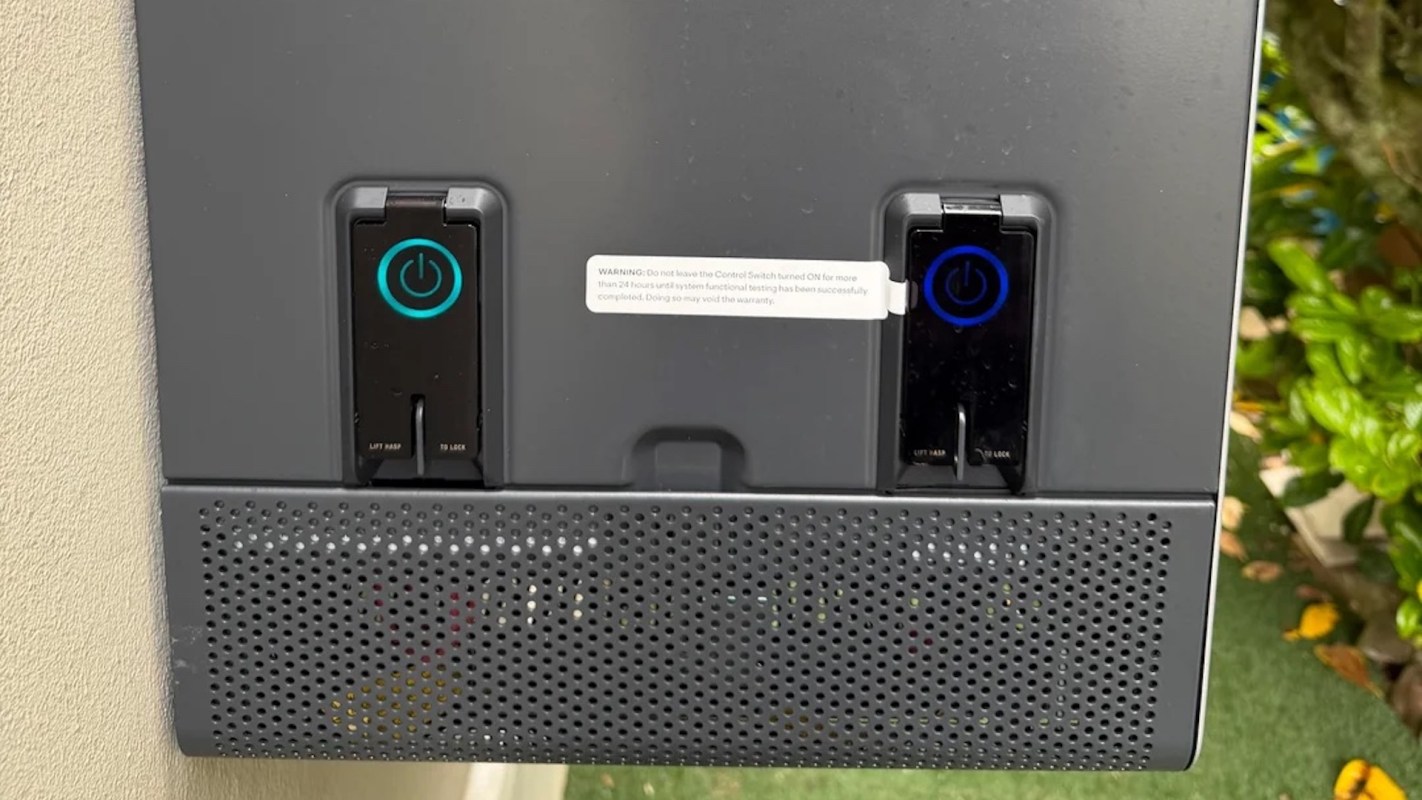
A new solar setup can feel like an instant win, until one crucial part of the system suddenly stops working after the first day.
A Reddit user in San Francisco said a newly installed battery system worked through part of its first day, but by the following morning the batteries were no longer charging or supplying power.
What happened?
In a Reddit post, the original poster described a confusing first 24 hours with a new Enphase solar-and-storage installation.
"Solar installed yesterday, batteries were charging during production, then discharging to power my home as production slumped at end of day," the original poster wrote. "Sunset came, batteries stopped discharging. As of this morning, batteries won't charge either."
After flipping the battery breaker with no result, the user said the two units were showing different status lights: one had a teal light and a blue light, while the other showed two blue lights.
The installer told the homeowner that PG&E still needed to install a meter collar before the batteries could work, while Enphase support said the installer needed to complete "a functional validation."
One commenter said that the explanation sounded plausible, writing: "A modern (and low cost) Enphase with storage install will likely require a utility installed meter collar. Expecting the system to work (even in a degraded state) before the meter collar is installed is not realistic."
Why does it matter?
Solar-plus-storage projects often depend on utility approvals, installer setup, and hardware validation, not just the panels and batteries.
Save $10,000 on solar panels without even sharing your phone number Want to go solar but not sure who to trust? EnergySage has your back with free and transparent quotes from fully vetted providers in your area. To get started, just answer a few questions about your home — no phone number required. Within a day or two, EnergySage will email you the best options for your needs, and their expert advisers can help you compare quotes and pick a winner. Solar panels can save you more than $50k over their 25-year lifespan, and EnergySage can help you save as much as $10k on installation. Which begs the question — isn't that worth an email or two? |

Even when the equipment is physically installed, homeowners can still face delays before every feature works as expected.
Adding battery storage is one of the best ways to protect your home during outages, save money on energy, and potentially go off-grid. It can be somewhat pricey, though, as even cheaper systems exceed $10,000, so companies that help you comparison-shop like EnergySage can make the biggest difference in getting a good deal for your system — and to help you find any rebates or tax incentives.
Battery backup can keep essential devices running during blackouts while also helping homeowners avoid expensive utility rates by storing extra solar power for later use.
The original poster wrote: "FWIW the system seems great otherwise. Very overcast in San Francisco but still producing enough during the day to cover current usage."
That kind of performance can translate into lower monthly bills, especially when paired with EV charging and smart home electrification.
What's being done?
The biggest next step is usually confirming whether a project is fully commissioned and whether utility-required equipment, such as a meter collar, has actually been installed.
If a new battery system behaves oddly right after installation, it may be worth asking the installer for a clear commissioning checklist and timeline.

Get TCD's free newsletters for easy tips, smart advice, and a chance to earn $5,000 toward home upgrades. To see more stories like this one, change your Google preferences here.






