


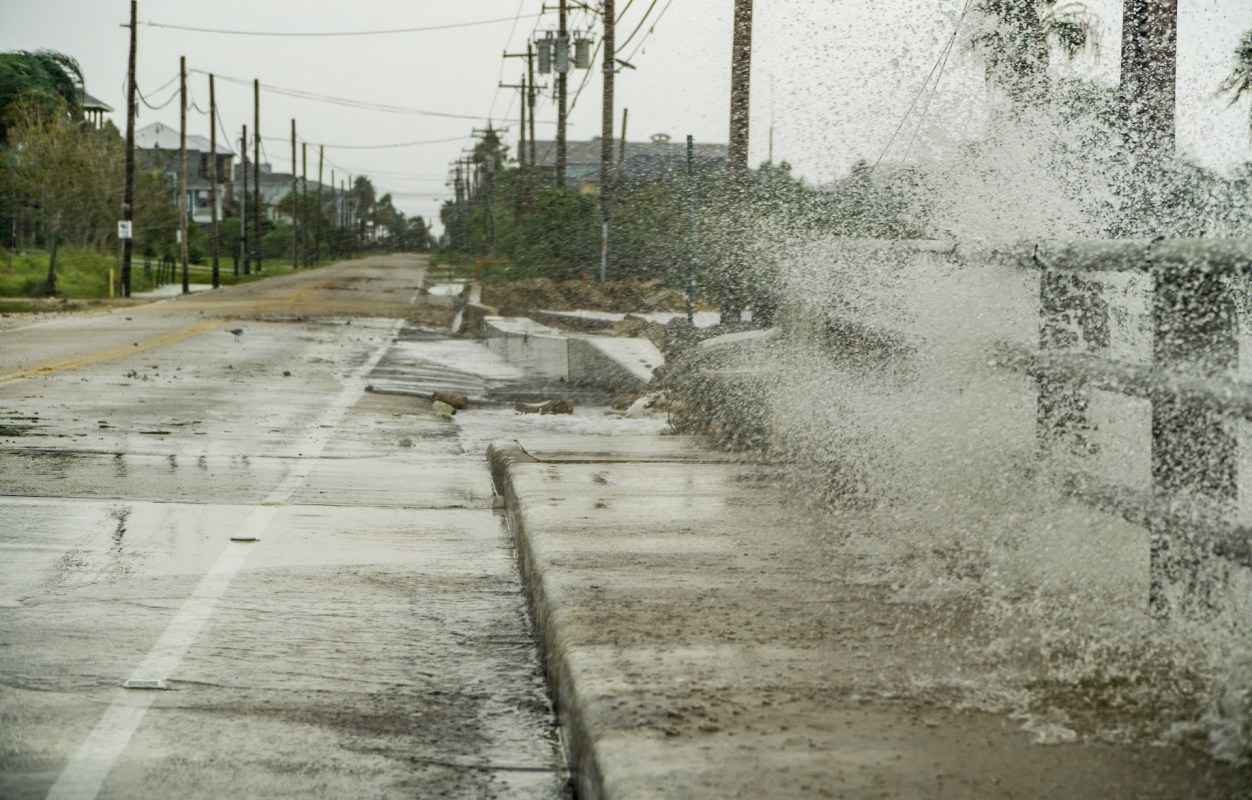
More flooding rain could soon inundate parts of the upper Texas and southwestern Louisiana coasts as a slow-moving weather system near South Texas has the potential to strengthen into a tropical storm before moving inland later this week. With the region already saturated from recent rainfall, tropical storm watches have been issued for portions of both coastlines.
Forecasters warn the system could dump significant amounts of rain, with some isolated areas potentially receiving more than 10 inches before the week is over.
What's happening?
On Tuesday, the National Hurricane Center labeled the disturbance as a Potential Tropical Cyclone One. As Yale Climate Connections reported, that designation is used for systems close enough to shore to pose dangerous conditions even before they officially reach tropical-storm status.
Because the system's center is still over land in South Texas, significant strengthening has been limited so far. Forecasters say a short trip over Gulf waters this week, combined with supportive atmospheric conditions, could strengthen the system before it crosses land again.
Exact rain estimates in the area are not final, with forecast models spreading the highest totals across a broad zone from Southeast Texas into Louisiana, Mississippi, and Alabama. Yale Climate Connections noted that 6 inches of rain is possible in that corridor, and a few locations could exceed 9 inches.
This latest flood threat comes on the heels of severe flooding in central Texas, where Waco experienced widespread flash flooding as rainfall rates reached 2 to 4 inches per hour, Chron.com reported.
TCD Picks » Quince Spotlight
💡These best-sellers from Quince deliver affordable, sustainable luxury for all




Why does it matter?
In this case, rain poses a greater threat than wind. When a storm crawls over saturated ground and keeps producing downpours, low-lying neighborhoods, roads, and major highways can flood fast, especially across parts of Texas and Louisiana that are already prone to flash flooding.
The region has already seen how destructive weaker tropical systems can be. Yale Climate Connections noted that the slow-moving Tropical Storm Allison flooded around 70,000 homes in the Houston area in 2001, while Tropical Storm Imelda led to massive rescues in 2019 despite peak winds of only 45 miles per hour. A storm does not need hurricane-strength winds to become a major disaster.
Another reason for concern is the amount of moisture available to the system. Weather-balloon data collected near Corpus Christi showed atmospheric moisture levels ranking among the highest seen in a 73-year local record, Yale Climate Connections reported.
What's being done?
With tropical storm watches already posted, residents have extra lead time to prepare before conditions deteriorate. In the near term, that means following updates from the National Hurricane Center and local forecasters, charging phones and other devices, checking evacuation plans if you live in a flood-prone area, and never attempting to drive across flooded streets.
Even so, the rainfall is not purely a downside for the wider region, which has also been contending with drought and shrinking water supplies. If the rain comes in a less destructive pattern, some of it could help refill reservoirs and recharge groundwater.
That could be especially important in places like Corpus Christi, where water shortages have become a growing concern.

Get TCD's free newsletters for easy tips, smart advice, and a chance to earn $5,000 toward home upgrades. To see more stories like this one, change your Google preferences here.






