


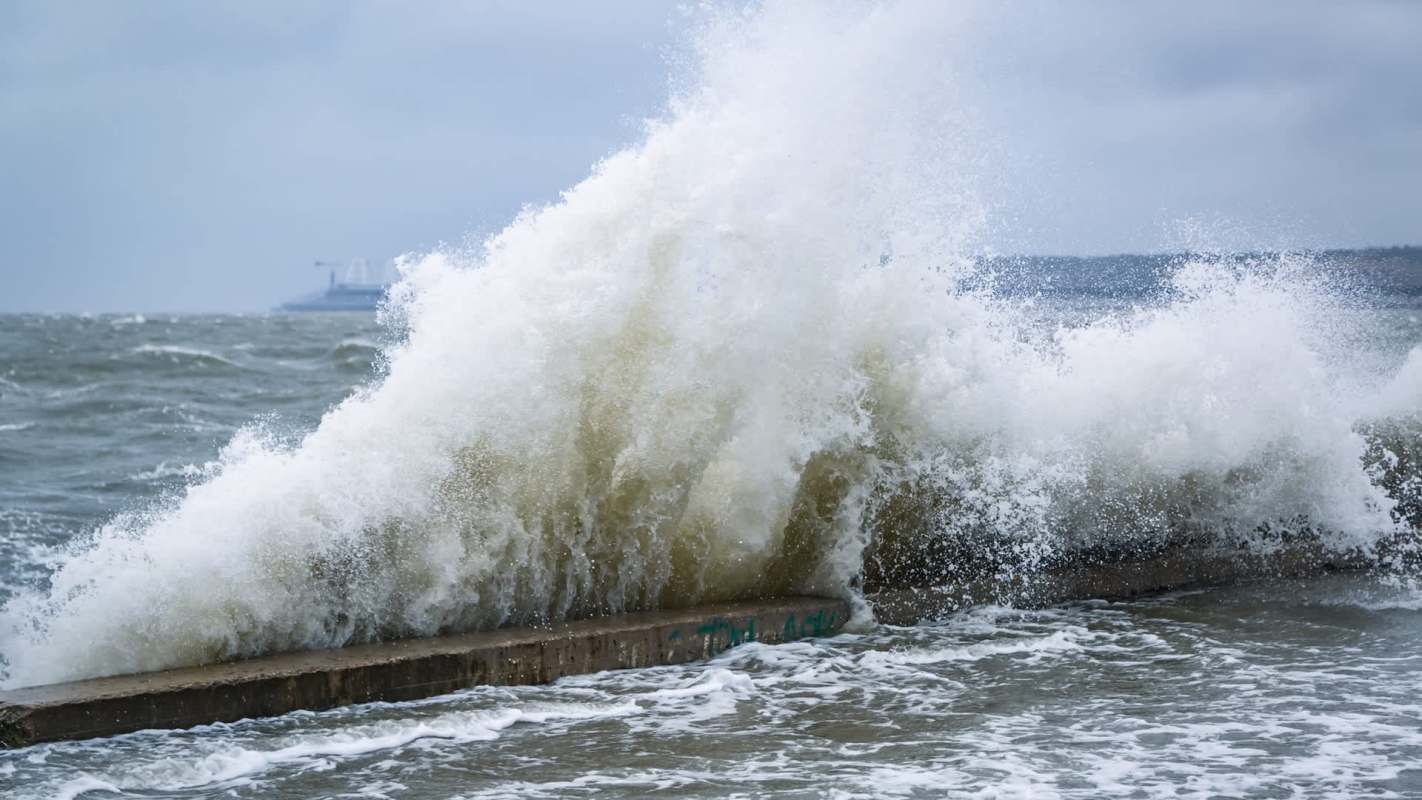
Flooding danger was rising along the Gulf Coast before Arthur was ever named. By Wednesday, when Tropical Storm Arthur became the Atlantic season's first named storm, days of tropical rain had already turned roads into waterways and widened the emergency across several states.
What happened?
According to CNN, Arthur formed on Wednesday morning just offshore of Texas and was inland near Galveston by evening. At 8 p.m. ET, the National Hurricane Center said its center was about 10 miles northwest of the city, and the storm was expected to move across far southeast Texas and into southwest Louisiana overnight.
Even before Arthur officially formed, flooding in Texas had already turned deadly. As CNN reported, at least two people have died in floodwater there this week.
Minor to moderate coastal flooding is possible along the upper Texas and Louisiana coasts because of storm surge. A tropical storm warning also covers the shoreline from High Island, Texas, to Morgan City, Louisiana, where winds of 40 miles per hour or stronger are possible.
In parts of eastern Texas, Louisiana, and Mississippi, a three-day stretch brought more rain than those areas typically get in a month. Some locations reached that mark within just a few hours.
Why is Tropical Storm Arthur concerning?
The threat of heavy rain extends far beyond the storm's center. Flood watches cover more than 18 million people from the northern Gulf Coast into parts of Georgia. Lake Charles and New Orleans in Louisiana, Biloxi in Mississippi, Mobile in Alabama, and Pensacola in Florida could see flash flooding that ranges from significant to life-threatening through Friday.
TCD Picks » Quince Spotlight
💡These best-sellers from Quince deliver affordable, sustainable luxury for all




Some of those places are facing a Level 3 of 4 risk for flooding rain on one or more days this week. Rain could fall at rates of 3 to 4 inches per hour, with widespread totals of 5 to 10 inches and isolated amounts as high as 20 inches.
Rain has already piled up from Texas to Mississippi. Parts of southern and eastern Texas, southern Louisiana, and southern Mississippi have recorded more than 6 inches. Near Caldwell, Texas, the highest total reported by Tuesday night was more than 9 inches.
What's being done?
The National Hurricane Center and Weather Prediction Center are tracking Arthur closely.
Arthur's winds may be relatively modest, but its rain is the real threat.
With flash flooding, storm surge, and isolated totals that could reach 20 inches, the first named storm of the season is already showing how deadly water can be.

Get TCD's free newsletters for easy tips, smart advice, and a chance to earn $5,000 toward home upgrades. To see more stories like this one, change your Google preferences here.






