


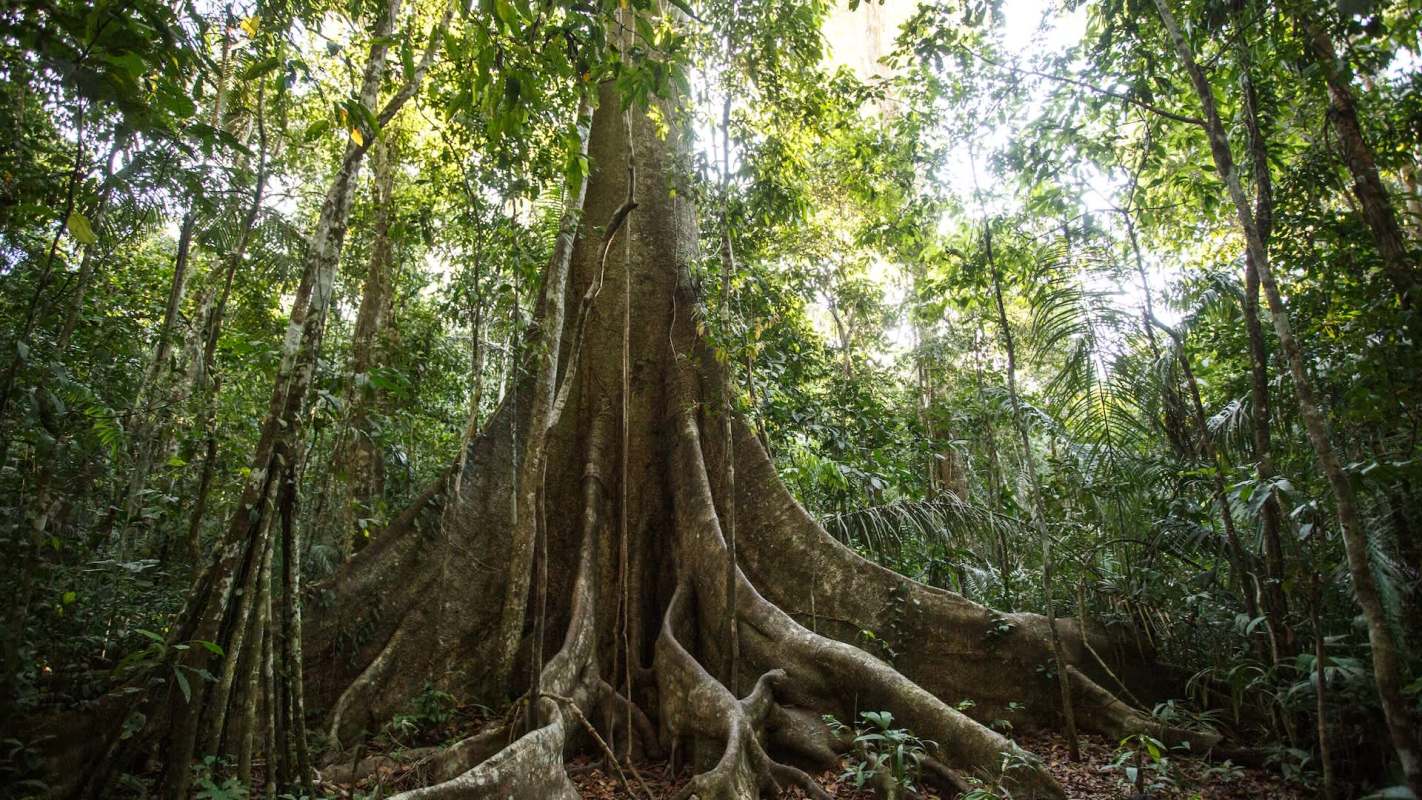
Climate models have often treated tropical forests as a major brake on carbon pollution. New findings from an aircraft-based research campaign indicate that these forests may be removing far less carbon dioxide from the atmosphere than many models project.
That finding, as Earth.com reported, suggests that more heat-trapping pollution may remain overhead than expected, contributing to higher temperatures, more severe disasters, and mounting recovery costs.
What happened?
In the study, published in the Proceedings of the National Academy of Sciences, researchers analyzed data from NASA's Atmospheric Tomography Mission, or ATom. From 2016 to 2018, a NASA DC-8 aircraft flew across the Pacific and Atlantic Oceans on routes that stretched from the western Arctic to Antarctica, Earth.com reported.
Along those routes, researchers tracked carbon dioxide levels present in the atmosphere at heights ranging from near the surface to above 40,000 feet.
With flights spanning all four seasons, the team was able to assemble a rare three-dimensional view of how carbon moves through the atmosphere across different regions and over time.
Instead of aligning with model expectations, carbon dioxide concentrations over the tropics came in higher than Earth system models had projected. That gap suggests tropical forests are taking up less carbon than expected, Earth.com noted.
TCD Picks » Quince Spotlight
💡These best-sellers from Quince deliver affordable, sustainable luxury for all




Researchers also found lower carbon dioxide levels than expected farther north and south, suggesting that some forests in those regions are drawing down more carbon or that fossil fuel emissions there were estimated too high, or some combination of the two.
Why does it matter?
About half of the carbon pollution from industry stays in the atmosphere, where it drives warming. The rest is taken up by natural carbon sinks, including forests, soils, and oceans.
If forests are absorbing less carbon than researchers had assumed, more human-caused pollution may stay in the air.
Climate models help shape forecasts for future warming, disaster planning, food systems, insurance risk, and public health. If one of the world's most important carbon sinks is weaker than expected, it could affect progress toward climate stability, especially for vulnerable communities with the fewest resources to adapt.
The study also showed how valuable long-term airborne observations can be for climate science. Just four years of global data cut model uncertainty by up to half, strengthening the case for more consistent monitoring.
"There are big uncertainties in our understanding of the natural carbon cycle at the largest scales," study lead author Britton Stephens of the National Center for Atmospheric Research said, as reported by Earth.com.
"By refining our understanding of how much carbon dioxide is taken up and released by the oceans and the land, we can more accurately track where emissions are going and the impacts on the Earth system," Stephens added.

Get TCD's free newsletters for easy tips, smart advice, and a chance to earn $5,000 toward home upgrades. To see more stories like this one, change your Google preferences here.






