


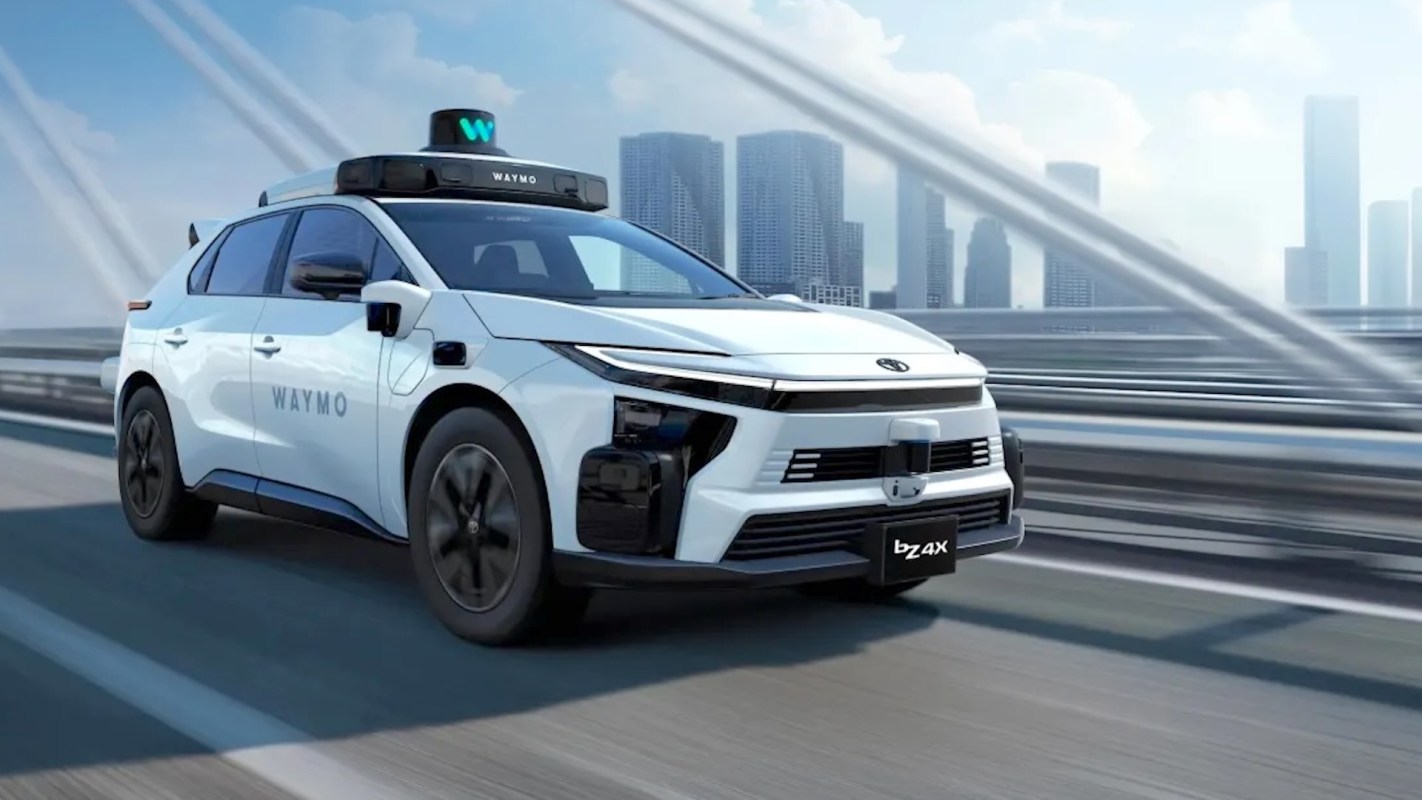
As Waymo has pursued plans to operate in Japan, the self-driving taxi company and Toyota unveiled the first product to result from their partnership, which was announced in spring 2025. Beginning in 2027, Waymo will operate a test fleet of robotaxis in Japan based on Toyota's electric bZ4X SUV.
Here's what to know
To create the self-driving Toyotas for Waymo's future fleet, the Japanese automaker will install and integrate Waymo's autonomous-driving equipment at the same factory where the vehicles have been built, according to Electrek. Production will take place at the Takaoka facility in Toyota City, Aichi Prefecture.
When Toyota and Waymo announced their agreement, they proposed jointly exploring autonomous-driving technology, including possible applications for personal vehicles. The robotaxi is the first concrete product to emerge from that partnership, per Electrek.
Waymo has not disclosed per-vehicle costs, production volumes, or sensor specifications for the new vehicle, which will mark the fourth in its self-driving fleet. Electrek reported that the robotaxi's passenger features will include ambient interior lighting and additional rear-seat room along with a powered liftgate and automatically opening doors.
Japan's autonomous bZ4X operations in 2027 will be devoted to testing and validation, according to Electrek, which added that no deployment dates had been announced for the United Kingdom or other markets.
More background
The bZ4X will join a Waymo fleet that has consisted primarily of Jaguar I-Pace SUVs in the United States, according to Electrek. Hyundai's Ioniq 5 and the Zeekr-built Ojai van have also entered the fleet. Jaguar has stopped production of the I-Pace.
TCD Picks » Quince Spotlight
💡These best-sellers from Quince deliver affordable, sustainable luxury for all




According to Electrek, Hyundai has been discussing a potential supply agreement covering up to 50,000 Ioniq 5 robotaxis for delivery by 2028.
Taxi operator Nihon Kotsu and ride-hailing app Go have been working with Waymo toward its goal of offering fully driverless commercial rides in Tokyo in 2027, according to Electrek. Those plans call for a fleet of about 100 vehicles, subject to regulatory approval.
Toyota's work with Pony.ai has already brought bZ4X-based autonomous vehicles into mass production in China, giving the automaker a robotaxi effort beyond its Waymo collaboration, per Electrek.
For drivers considering making their next car an EV, the benefits include saving money on fuel and reducing routine maintenance. To maximize the cost-saving benefits of driving an EV, many drivers choose to charge at home, which often costs half as much as using public chargers. Qmerit provides free, instant installation estimates for fast Level 2 home charger installations, giving prospective EV owners a way to assess installation costs before choosing a home-charging setup.
Where can I learn more?
The Toyota partnership came as Waymo continued to expand its robotaxi fleet and prepared to enter several new markets.
• Waymo chose Munich for its first EU robotaxi service and began with street mapping.
• In Phoenix, a passenger's first driverless Waymo ride cost $20 and felt surprisingly smooth.

Get TCD's free newsletters for easy tips, smart advice, and a chance to earn $5,000 toward home upgrades. To see more stories like this one, change your Google preferences here.






