


Switching from a gas vehicle to an electric one can feel like stepping into the future. Making the change saves most drivers big time by helping them dodge expensive gas prices and routine maintenance costs.
However, when your local charging infrastructure isn't built out, the upgrade can be less convenient than you hoped. That's why one driver who switched to an EV took to the r/electricvehicles subreddit.
What happened?
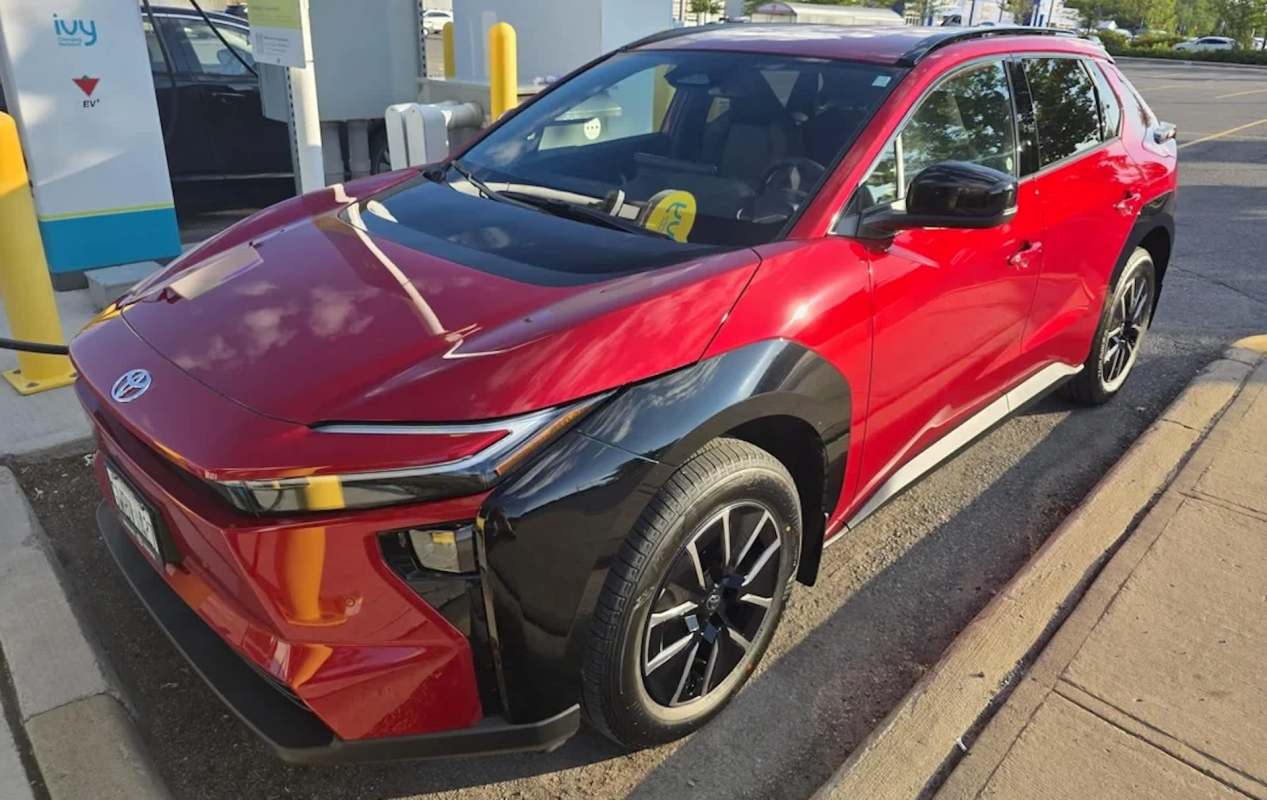
In the post, they explained they bought a 2026 Toyota bZ and noted they "immediately fell in love with it." That said, a problem arose when they drove their child to a camp nearby.
"It turns out that none of the charge points are NACS-compatible," they wrote, meaning they had to drive to a neighboring town to charge their car.
"My understanding is that NACS is basically the standard going forward, but to avoid this situation, I'm going to be looking at an adapter or two," the driver added.
They asked how to avoid buying "every possible adapter" and figure out which few connectors would handle most charging needs.
TCD Picks » Quince Spotlight
💡These best-sellers from Quince deliver affordable, sustainable luxury for all




In the United States, most automakers and charging networks are adopting NACS ports. As that transition continues, drivers may need adapters until public charging stations are built to or upgraded to the standard.
Why does it matter?
Public charging can be fragmented, especially outside major metro areas or along less-traveled routes. For drivers used to gas stations, the learning curve can be a surprise.
EVs, however, still can lower fuel costs, reduce maintenance needs because they have fewer moving parts, and eliminate tailpipe pollution. Those advantages are much easier to enjoy when charging feels simple and predictable.
Though the original poster worried about spending thousands of dollars on adapters, other users said the total should be much lower. That matters for shoppers weighing EV costs as automakers move toward Tesla's plug standard while older charging hardware remains common.
What can the driver do?
Many commenters said the solution was simple: Get one adapter for DC fast charging and another for AC charging.
As one commenter put it: "You only need one adapter for DC fast charging, then a less expensive one for AC charging. You can get both for around $250 and won't be spending thousands."
People also suggested checking whether the automaker had already included an adapter, planning trips with route tools, and paying attention to which charging networks were most common nearby.

Get TCD's free newsletters for easy tips, smart advice, and a chance to earn $5,000 toward home upgrades. To see more stories like this one, change your Google preferences here.






