



SEGA's attempt to revive Total War: SHOGUN 2 is facing major backlash on Steam after the new Complete Edition drew complaints about bugs, visual problems, and alleged undisclosed artificial intelligence use.
Here's what to know
After its October 13, 2026, launch, players pushed Total War: SHOGUN 2 Complete Edition to an "Overwhelmingly Negative" rating on Steam, as Windows Central reported.
In contrast, the 2011 version of Total War: SHOGUN 2 still holds a "Very Positive" Steam rating based on more than 22,000 user reviews, the outlet said. The new $40 Complete Edition has been greeted very differently, collecting more than 1,850 reviews, many of them negative.
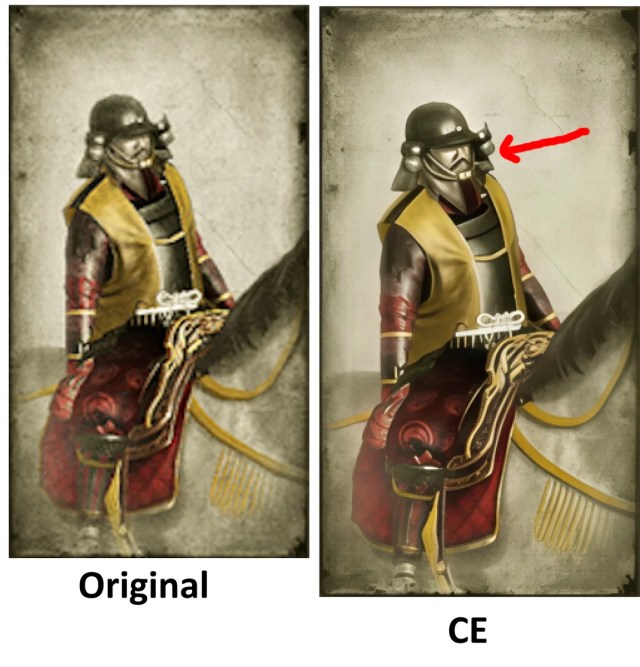
Much of the frustration appears to have started with the state of the remake itself. The report said reviewers cited game-breaking bugs, poor performance, and "countless graphical issues," including complaints about lighting and HDR in the enhanced version.
Windows Central noted that what turned that criticism into a bigger controversy was the AI question. Steam requires developers and publishers to disclose whether AI was used during development, but the publication said the remake's store page had no such notice even as players circulated screenshots they believed showed AI upscaling.
Posts in the Total War and Shogun 2 subreddits focused on distorted player-card art and character details, with users sharing examples of odd faces, six-fingered hands, and other visual mistakes they argued looked machine-generated.
TCD Picks » Quince Spotlight
💡These best-sellers from Quince deliver affordable, sustainable luxury for all




More background
Botched remasters are nothing new, but Windows Central compared this backlash to Warcraft 3: Reforged and Grand Theft Auto: The Trilogy, both of which drew heavy criticism without AI becoming the central issue.
In this case, players appear to be treating suspected AI sloppiness as a separate problem from ordinary technical issues. AI disclosure, accuracy, and quality control are becoming bigger concerns as publishers bring automation into development and art pipelines.
The debate also ties into broader concerns about AI and the energy grid. AI can help optimize clean energy systems and improve efficiency in some industries, but training and running AI tools also consumes large amounts of electricity and water while raising concerns about security, misuse, and unintended consequences, such as higher operating costs that can ripple outward.
The outlet said players were asked to pay $40 for a refreshed version of a game that has spent roughly 15 years building goodwill, so a lower-quality release is likely to hit harder than a brand-new title with no legacy to protect.
What can be done?
If AI is used for upscaling, art cleanup, or other development work, Steam's disclosure requirements exist for a reason, and following them gives players a chance to decide whether that tradeoff is acceptable before buying.
Windows Central pointed to a stronger example in The Witcher 3: Wild Hunt Remastered, which reviewer Jennifer Young awarded five stars. The remaster is free for existing owners and keeps the original version intact while adding quality-of-life improvements alongside upgraded visuals.
Before purchasing a remaster, players can check whether the original is still available, whether the update overwrites older versions, whether early user reviews mention performance problems, and whether the publisher is clear about the tools used in development.
Where can I learn more?
Concerns over undisclosed AI use in game remasters are surfacing across entertainment and tech.
• Aardman fans blasted comparison photos showing 'awful' images of Wallace and Gromit online.
• A new startup drew backlash over AI simulations of loved ones for grieving users.

Get TCD's free newsletters for easy tips, smart advice, and a chance to earn $5,000 toward home upgrades. To see more stories like this one, change your Google preferences here.






