


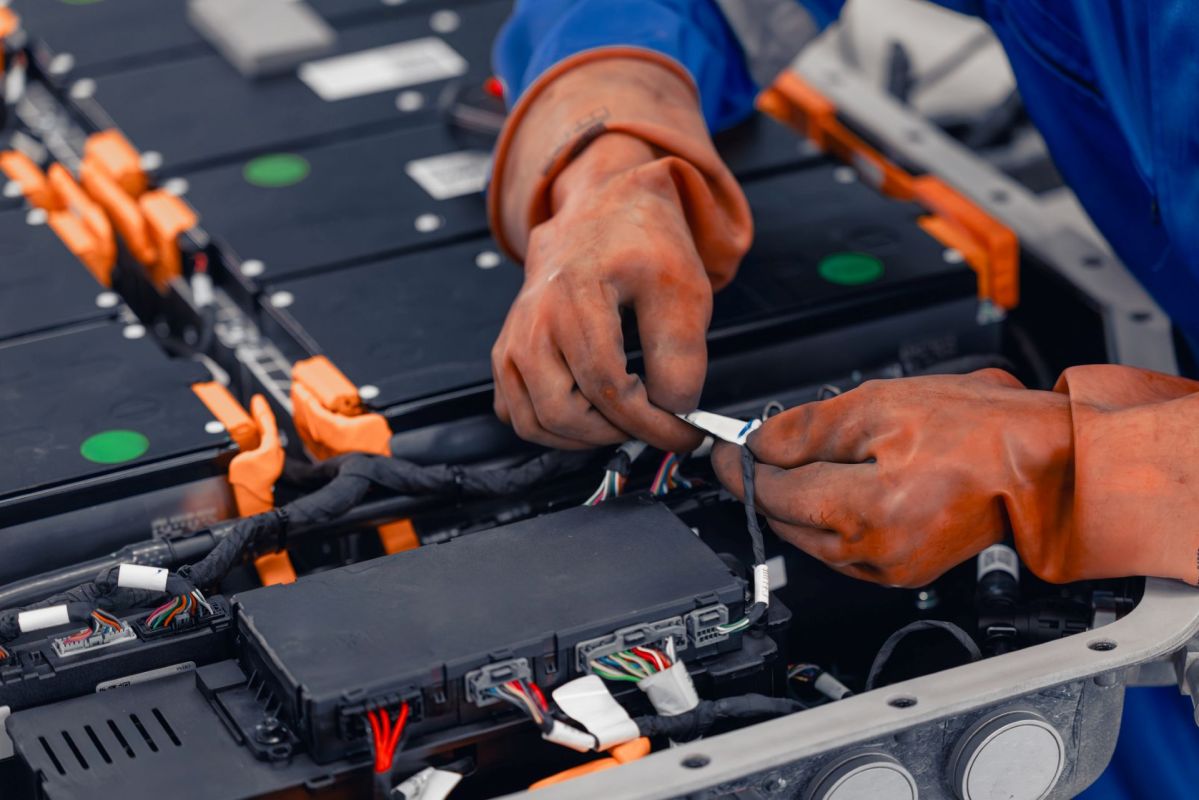
For one Toronto driver, a C$10,800 (~$7,648 USD) electric vehicle battery repair quote came close to the value of the car itself, by her estimate.
The eight-year battery warranty on her 2018 Volkswagen e-Golf had expired only months before the car stopped working.
Here's what to know
The battery stopped operating in September 2026 at 82,643 miles (133,000 kilometers), according to a CTV News and CP24 report discussed in a YouTube video by the Shayan_EV (@shayan_ev) account.
Time, rather than mileage, put the car outside warranty coverage. The warranty ended at eight years or 99,419 miles (160,000 kilometers), whichever came first, and the car had not reached the mileage limit.
Battery and charging engineer Shayan used the driver's experience as a jumping-off point to explain EV owners' repair options. Volkswagen Canada said it could be repaired without replacing the battery, according to the report. The driver valued her car at C$10,000 (~$7,081) to C$12,000 (~$8,498), though, and the repair would cost C$10,800.
Generally, a targeted repair may be worth investigating before replacing a pack, since one faulty component can cause the battery's safety system to shut it down. Alongside its groups of cells, a pack contains switches, sensors, and wiring.
TCD Picks » Quince Spotlight
💡These best-sellers from Quince deliver affordable, sustainable luxury for all




More background
For Kia, the capacity repair promise in its 2019 and 2020 Canadian warranty manuals is "to return battery capacity to 70% of original battery capacity," according to Shayan's video. The video also cites Tesla's warranty guarantee of at least 70% capacity.
The applicable warranty terms depend on the model year and country. A covered capacity repair can bring the battery back to the stated threshold.
A software update provided the remedy in the following case. Ford's recall 22V412, for example, covered 48,924 model-year 2021 and 2022 Mustang Mach-E SUVs because the main battery switches could overheat.
Meanwhile, Shayan pointed out that Recurrent reported in November 2025 that, outside major recalls, battery replacements had occurred in fewer than 4% of the EVs it tracks, according to Shayan's video. Those numbers had dropped considerably in newer EVs.
What can be done?
Shayan recommends arranging service for any warnings and getting a battery health report while coverage is still active. His pre-expiration advice also includes checking both the warranty's end date and mileage limit.
The paperwork owners retain should include the battery health report and repair orders, with any sudden range losses or repeated charging interruptions documented.
Manufacturers, Transport Canada, and the U.S. National Highway Traffic Safety Administration are places owners can check for recalls and warranty extensions using their vehicle identification number.
According to Shayan's video, integrated charging control unit coverage runs to 15 years or 180,198 miles (290,000 kilometers) on many Ioniq 5 and Ioniq 6 vehicles and 2022-2024 EV6 models under extensions from Hyundai Canada and Kia Canada.
With coverage over, owners can seek a second quote and ask whether replacing an individual battery module is an option. They can also request a written diagnosis naming the failed part.
"Get a written warranty on the repair," Shayan added as a final step in the video's description.
Where can I learn more?
Battery repair bills and warranty cutoffs can leave owners weighing whether to keep, fix, or trade in their cars.
• A Tesla Model Y owner fears a $16,000 bill for a second battery replacement.
• A dealer warned a 200,000-mile EV's battery health score of 79 could sink its $8,000 trade-in.
• In Northern Europe, owners reassured a buyer fearing a 10-year battery bill.

Get TCD's free newsletters for easy tips, smart advice, and a chance to earn $5,000 toward home upgrades. To see more stories like this one, change your Google preferences here.
Cool Picks






