


A fake address filing in Tokyo has reportedly helped expose a man police believe played a senior role in a cyberfraud network.
The case has alleged links to crypto laundering, international scam operations, and an expanding crackdown on financial crime.
What happened?
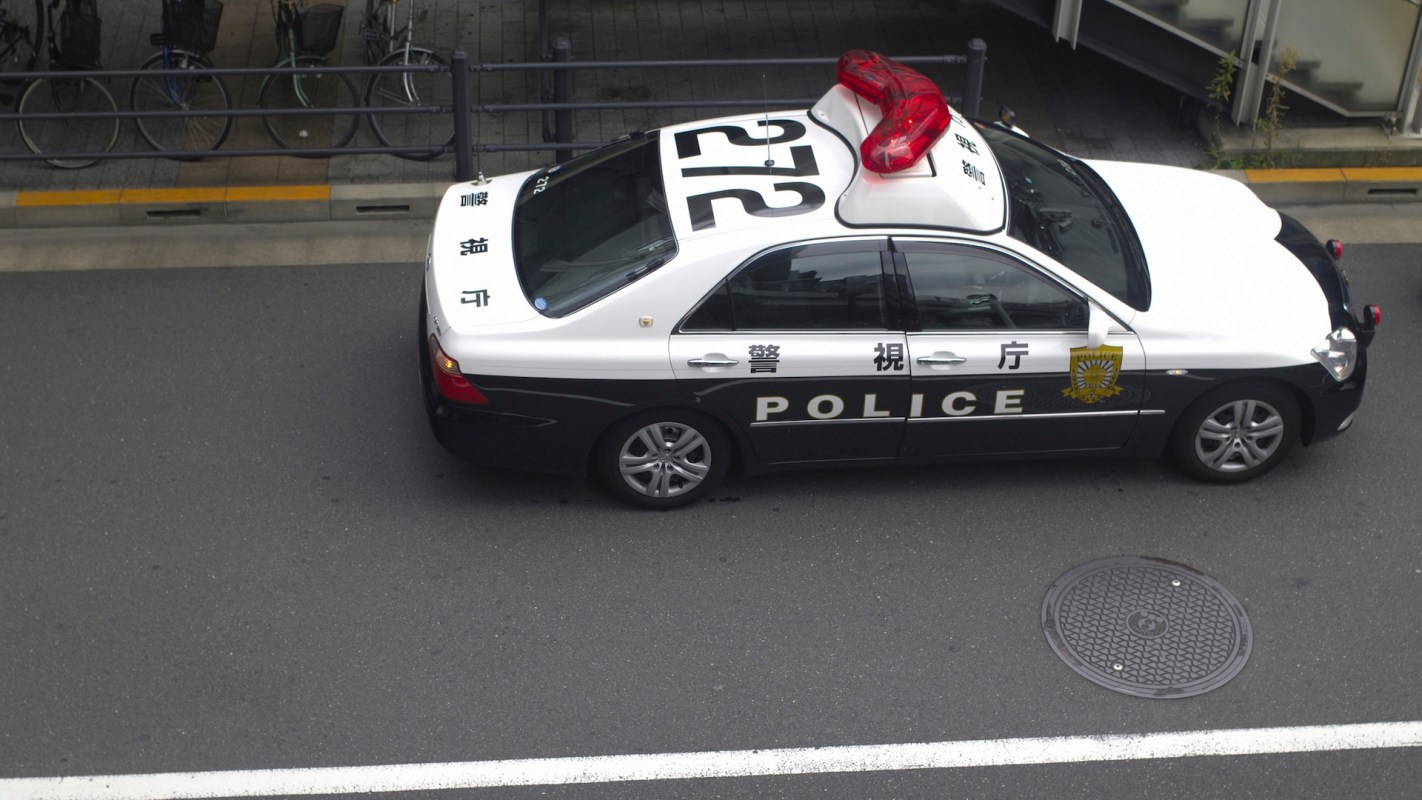
According to the Crypto Times, Hu Xiaowei, a 44-year-old Cypriot national, was arrested by the Tokyo Metropolitan Police, who suspect he held a senior role in the Prince Group, a Cambodia-linked conglomerate accused of laundering billions from cyber-fraud proceeds.
Li Yin Hong, a 31-year-old Chinese national, and a third alleged accomplice were also taken into custody on suspected immigration and residency offenses.
The alleged false move-in notice filed with Tokyo's Chuo Ward office became part of the investigation, and police said camera footage and hotel records later helped track Hu to Osaka.
Investigators say a Tokyo shell company led by Hu had been operating since 2023 and later raised its capital from 8 million yen to 50 million yen.
TCD Picks » Quince Spotlight
💡These best-sellers from Quince deliver affordable, sustainable luxury for all




Why does it matter?
Japan is widening its response to "pig-butchering" scams, an online fraud tactic that has financially ruined victims around the world, and authorities see this arrest as part of that broader effort.
Officials allege the Prince Group expanded online scam and cryptocurrency laundering activity through compounds in Cambodia associated with forced labor and human trafficking.
These scams often begin with ordinary text messages, phone calls, dating app conversations, or investment pitches before draining life savings in a matter of weeks.
While crypto itself is not inherently criminal, weak oversight can also make crypto appealing to bad actors looking to move money across borders with less scrutiny.
What's being done?
Japan appears to be responding on multiple fronts. Lawmakers are advancing rules that would treat digital assets more like traditional financial instruments, while the Financial Services Agency has already implemented a three-month freeze on new account openings as part of its zero-tolerance approach.
Police reportedly seized smartphones and laptops from Hu's Osaka hideout and are now reviewing them for wallet addresses, financial links, and local business entities.
Police reports cited by The Crypto Times say Hu admitted he moved his residency on paper to secure a permanent Japanese visa, though he said a local visa agent handled the details.

Get TCD's free newsletters for easy tips, smart advice, and a chance to earn $5,000 toward home upgrades. To see more stories like this one, change your Google preferences here.






