


In alarming new research, scientists say every drive to work or the store creates more pollution than just exhaust.
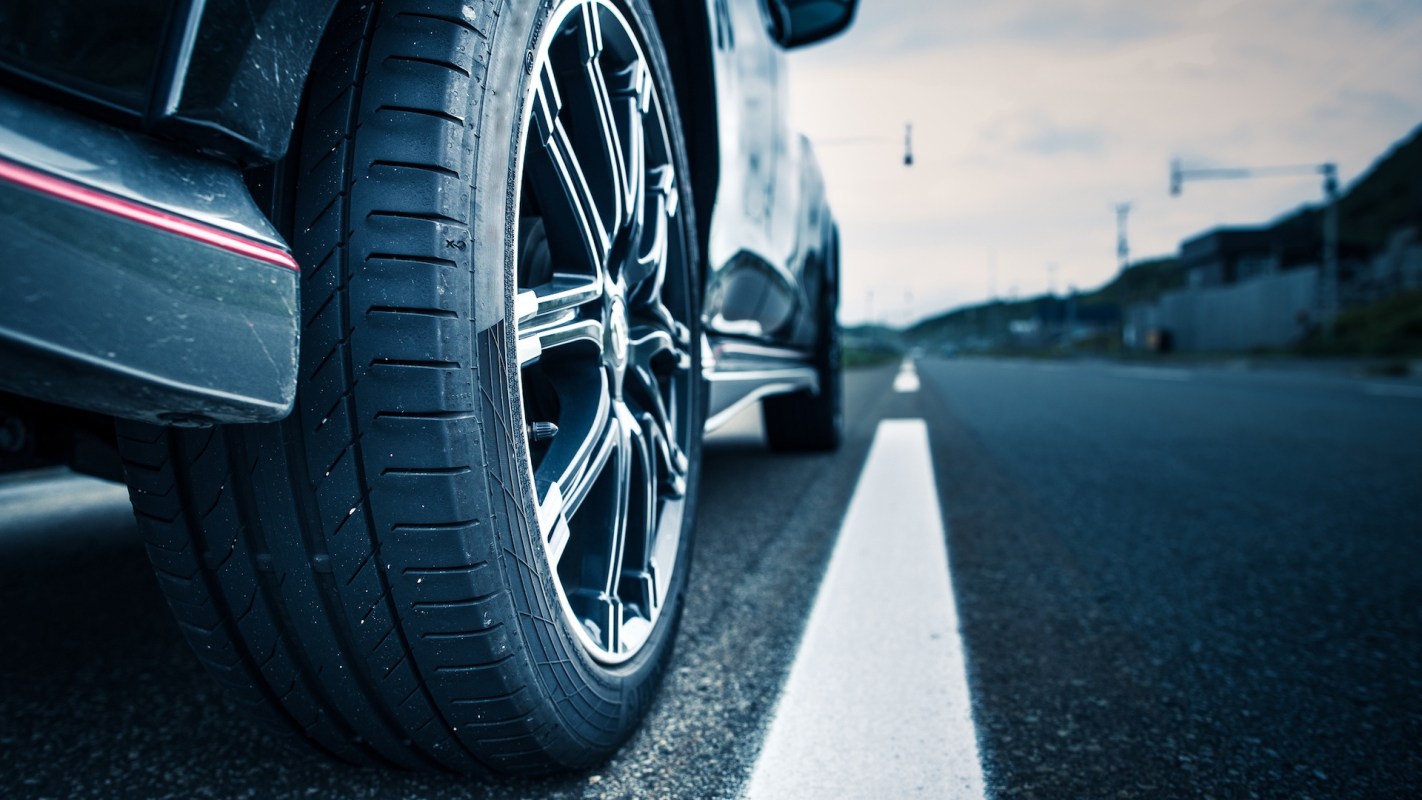
As tires wear against the road, they release tiny bits of rubber that rain can carry into waterways, where scientists say wildlife are ingesting them as toxic microplastics, according to Eos.
What happened?
In Environmental Pollution, researchers reported on experiments exposing different aquatic animals to both pristine and weathered tire particles, as well as chemicals that had leached from them.
Built from natural and synthetic rubber along with additives and metals, tires shed small fragments on roadways, and rainfall can wash that debris through storm drains into streams and estuaries.
One ocean plastics expert, Britta Baechler, described it this way: "Driving a car or even riding in a bus is a bit like dragging an eraser across the planet, except the crumbs are microplastics. Toxic microplastics." Perhaps an exaggeration since the deterioration is not as constant and observable as with an eraser, but the point of the illustration remains that tires do not magically stay 100% intact as they drive.
Clarissa Raguso, a marine scientist and postdoctoral fellow at Portland State University and the study's lead author, told Eos, "We observed significantly higher ingestion rates in both species when they were exposed to weathered tire particles" compared to pristine ones.
TCD Picks » Quince Spotlight
💡These best-sellers from Quince deliver affordable, sustainable luxury for all




And although the animals did not die at significant rates, the team found that exposure reduced growth and altered behavior, particularly in shrimp, which consumed more of the particles.
Why does it matter?
Particles worn from tires are estimated to make up nearly half of the microplastics found in terrestrial and aquatic systems, making tire wear a major source of this pollution and quietly adding to a problem that can move through the food web.
Another one of the study's authors, Susanne Brander, told Eos, "Mysid shrimp are a really important food item for critical species. Gray whales, for example, eat millions of those types of organisms per day. The larger fish that we catch as seafood eat mysids."
This means that microplastic pollution could ripple outward through ecosystems, fisheries, and coastal communities.
In the study, the authors clearly explain why their research matters, writing "these findings emphasize the need to move beyond testing only individual tire types, to account for aged particles, and to include multiple species in toxicity assessments."

Get TCD's free newsletters for easy tips, smart advice, and a chance to earn $5,000 toward home upgrades. To see more stories like this one, change your Google preferences here.






