


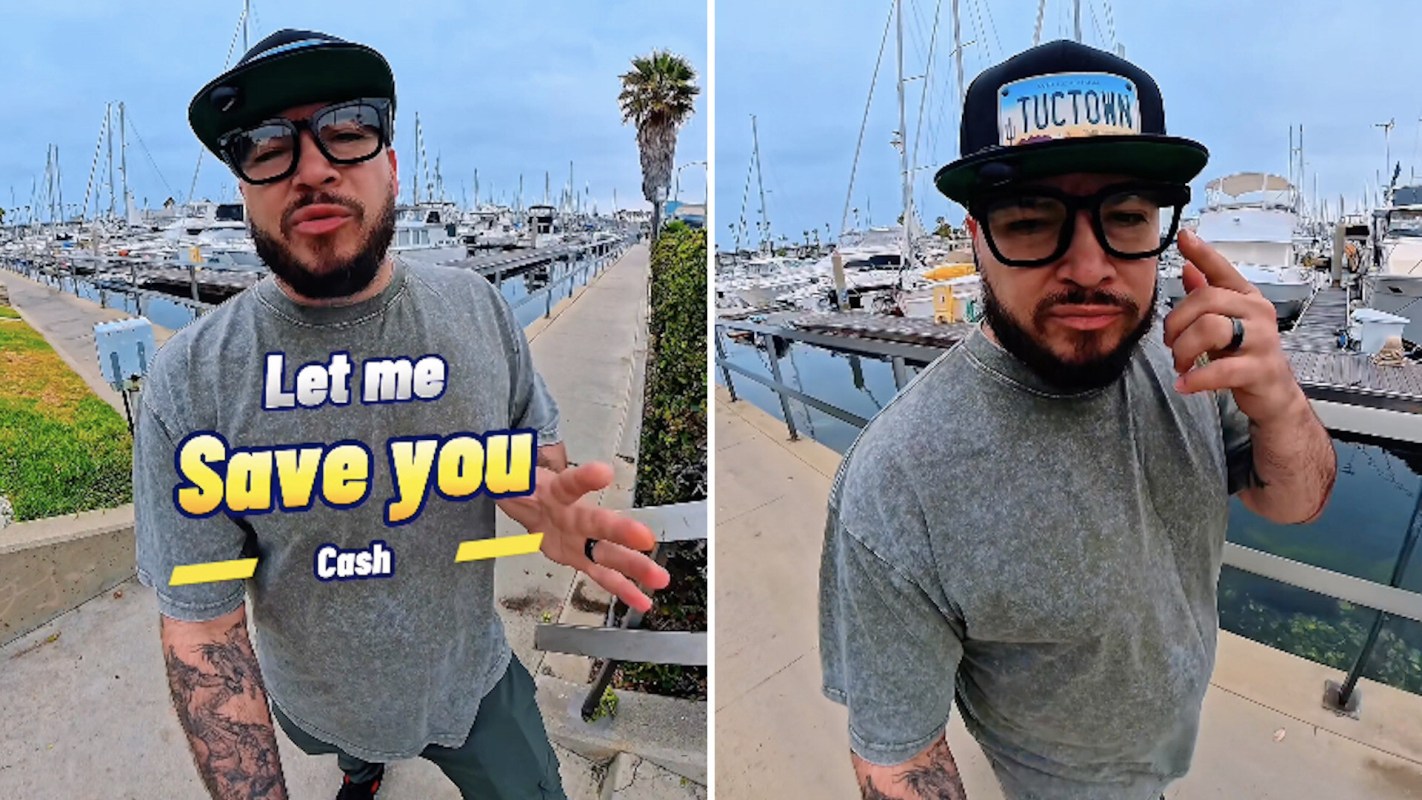
Affiliate creators on TikTok are pushing inexpensive imitators of Meta's AI smart glasses, and they pitch more than just the price. Some videos promote pairs in the $40 to $100 range, claiming they can film people without the blinking light that normally signals recording.
Here's what to know
According to Futurism, videos posted from March through August featured affiliate sellers touting camera-enabled glasses sold through TikTok Shop, Amazon, Temu, and Walmart as lower-cost alternatives to Meta's smart eyewear. In multiple clips, the supposed advantage wasn't just the lower price, but the claim that these versions lacked an obvious recording indicator.
In an August TikTok, a creator with nearly half a million followers said, "I'm recording you right now and you probably can't tell, because there's no annoying little blinking light on these glasses. I'm gonna be the first one to tell you, go save that $400, and grab some of these from TikTok Shop." The post also carried a disclosure saying the creator was "eligible for commission," indicating that sales through the shopping tag could generate affiliate income.
@masked_maniac_beatz Why spend hundreds on smart glasses when these do WAY more than I expected for a fraction of the price? 👓🔥 Hands-free POV recording, Bluetooth features and smart tech without the crazy price tag. Budget camera glasses are currently showing up all over TikTok Shop in roughly the $30–$60 range. #SmartGlasses #AISmartGlasses #CameraGlasses #TikTokShop #creatorsearchinsights ♬ What You Saying - Lil Uzi Vert
Another video from a couple who run a shopping-focused TikTok account used a staged scenario as part of the sales pitch. In it, the woman supposedly did not realize she had been recorded during sex because "there's no flash," after which the man transitioned into demonstrating the less expensive glasses.
There are reasons to question some of those marketing claims. Futurism found that several of the glasses highlighted in these videos appeared to have LED lights, and commenters who said they purchased similar models reportedly said those lights existed and functioned. In other cases, creators promoted sticker covers that could conceal the light instead.
More background
Meta's smart glasses, sold with Ray-Ban and Oakley and expected to expand to Prada, are among the earliest products in the category to gain meaningful traction after previous efforts from companies such as Google and Snapchat, Futurism has reported. As more people adopt them, concerns about secret recording in public and private places have grown as well.
TCD Picks » Quince Spotlight
💡These best-sellers from Quince deliver affordable, sustainable luxury for all




Futurism has reported that Meta's glasses have been used to film women in public, record employees while they work, and produce harassment content for social media. In August, middle and high school boys were also reportedly using smart glasses at school in similar ways, especially targeting girls, extending those privacy concerns into classrooms and other routine environments.
AI features add another layer of concern. Futurism found that many of the lower-cost brands appeared to connect to the HeyCyan app from Shenzhen Qingcheng, while Meta has made AI a central selling point of its own glasses.
AI tools can help optimize clean energy systems and improve how the grid responds to power demand, but they also require large amounts of electricity and water in data centers and can introduce privacy, misuse, and security risks that may ultimately affect consumers through higher costs or other unintended consequences.
What's being done?
Australian officials are seeking more information about the privacy practices of Shenzhen Qingcheng, the China-based company behind HeyCyan, putting the firm under added scrutiny.
Futurism reported that Meta has taken down some influencers over harassing content, has said it intends to release a version without a camera — while still capturing audio — and has tried to make the indicator light harder to tamper with.
LUSBY, the only brand that replied to Futurism, said it "does not currently operate an official TikTok Shop" and said the creators cited in the report were not authorized to market its products. The company also said its glasses "do have a recording indicator light."
LUSBY added: "We do not promote our products as devices designed for recording people without their knowledge, and we do not endorse misleading claims about their features." Futurism's reporting nevertheless suggests that some creators, whether authorized or not, are still treating discreet recording as a core selling point.
As concerns around surreptitious recording in public intensify, some establishments such as night clubs have banned glasses with cameras on them entirely, and some retailers have stopped selling them as well.
Where can I learn more?
These stories dig deeper into the privacy concerns around smart glasses. They cover fears about recording and facial recognition, worker warnings, user backlash, and product disputes.
• Meta pushed back after Ray-Ban smart glasses were shown identifying strangers in real time.
• A watchdog challenged Meta after workers described its smart glasses with the warning, "We see everything."
• Meta owners started leaving "pervert glasses" at home after covert videos of women spread online.
• Meta users complained when hearing boost features on Ray-Ban glasses were abruptly time-limited.

Get TCD's free newsletters for easy tips, smart advice, and a chance to earn $5,000 toward home upgrades. To see more stories like this one, change your Google preferences here.






