


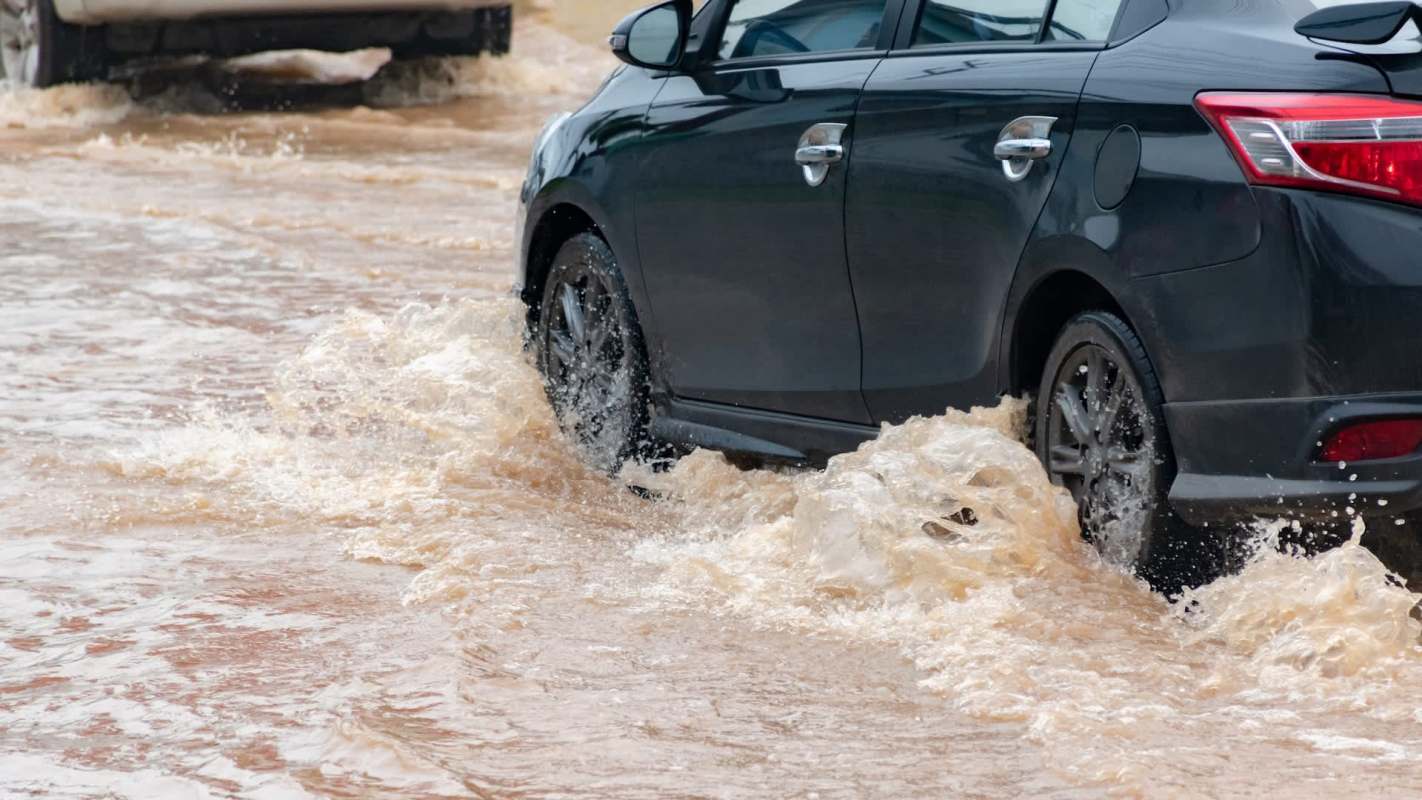
Multiple waves of thunderstorms are expected to affect parts of the Midwest and Appalachians, with sudden flooding and damaging wind gusts posing the greatest risks.
In some areas, only a few more hours of heavy rain could be enough to turn conditions dangerous.
What's happening?
Forecasters have warned that a large portion of the Midwest and Appalachians may deal with several rounds of storms, bringing heavy rain in a short time along with winds strong enough to damage trees, power lines, and property.
According to AccuWeather, some of these storms may repeatedly move across the same locations instead of passing through just once. That pattern boosts the risk of flash flooding, especially in low-lying areas, near small streams, and where drainage systems are already overwhelmed.
The danger is not tied to a single burst of severe weather. Repeated downpours can build on one another, turning routine travel into a hazard and increasing the risk of road closures, flooded underpasses, and rapidly changing conditions after dark.
Damaging winds are also a major concern. Strong thunderstorm gusts can snap branches, topple weakened trees, and trigger scattered power outages, adding another layer of disruption even in areas that avoid the worst flooding.
TCD Picks » Quince Spotlight
💡These best-sellers from Quince deliver affordable, sustainable luxury for all




Why does it matter?
Flash flooding is one of the most dangerous weather threats because it can develop quickly and leave little time to react. Roads covered in water can hide washouts or stronger currents than drivers expect, and flooding in a basement or first floor can destroy appliances, furniture, and important documents within minutes.
Worsening extreme weather disasters put lives and livelihoods at risk by disrupting the systems people rely on every day. Heavy rain and wind can threaten public health by cutting electricity needed for cooling, refrigeration, and medical devices; undermine community safety by blocking roads and delaying first responders; and weaken economic stability by damaging homes, businesses, crops, and infrastructure.
A warmer atmosphere can hold more moisture, increasing the potential for intense downpours when storms do form. That does not mean every storm is the same, but it helps explain why short bursts of rain can become more disruptive and costly for communities across regions.
The financial fallout can also extend well beyond the storm itself. Families may be left dealing with insurance claims, missed work, spoiled food, and repair bills, while towns and utilities can face the added burden of debris removal, road repairs, and power restoration.
What can I do?
Stay alert. Keep weather notifications turned on, charge phones and backup batteries, and make sure you have more than one way to receive warnings in case the power goes out or cell service becomes unreliable.
If flooding is possible in your area, avoid driving through standing water and know where you would go if conditions worsen. People in flood-prone homes or apartments can move valuables off the floor, clear nearby drains when it is safe to do so, and review evacuation routes ahead of time.
For wind-related impacts, bring in or secure patio furniture, trash bins, and other loose outdoor items. Parking vehicles away from large trees, when possible, can also help reduce the risk of damage during stronger storms.
Check in on neighbors, especially older adults or anyone who depends on powered medical equipment. A simple plan for outages, transportation, and emergency communication can make a major difference when storms begin stacking up over the same region.

Get TCD's free newsletters for easy tips, smart advice, and a chance to earn $5,000 toward home upgrades. To see more stories like this one, change your Google preferences here.







