Across Texas, shelters often depend on sending dogs and cats to adopters in other states.
However, that lifesaving network is being disrupted as measures aimed at containing a flesh-eating fly make those trips harder, leaving already crowded shelters with even fewer options.
What's happening?
Each weekend, Denisse Prater, owner of K9 Delivery, usually loads 30 to 40 dogs from packed Texas shelters into a modified box truck bound for the East Coast, West Coast, and Midwest, she told IPM Newsroom.
As new rules took effect for animals arriving from Texas, that total dropped by about 50%.
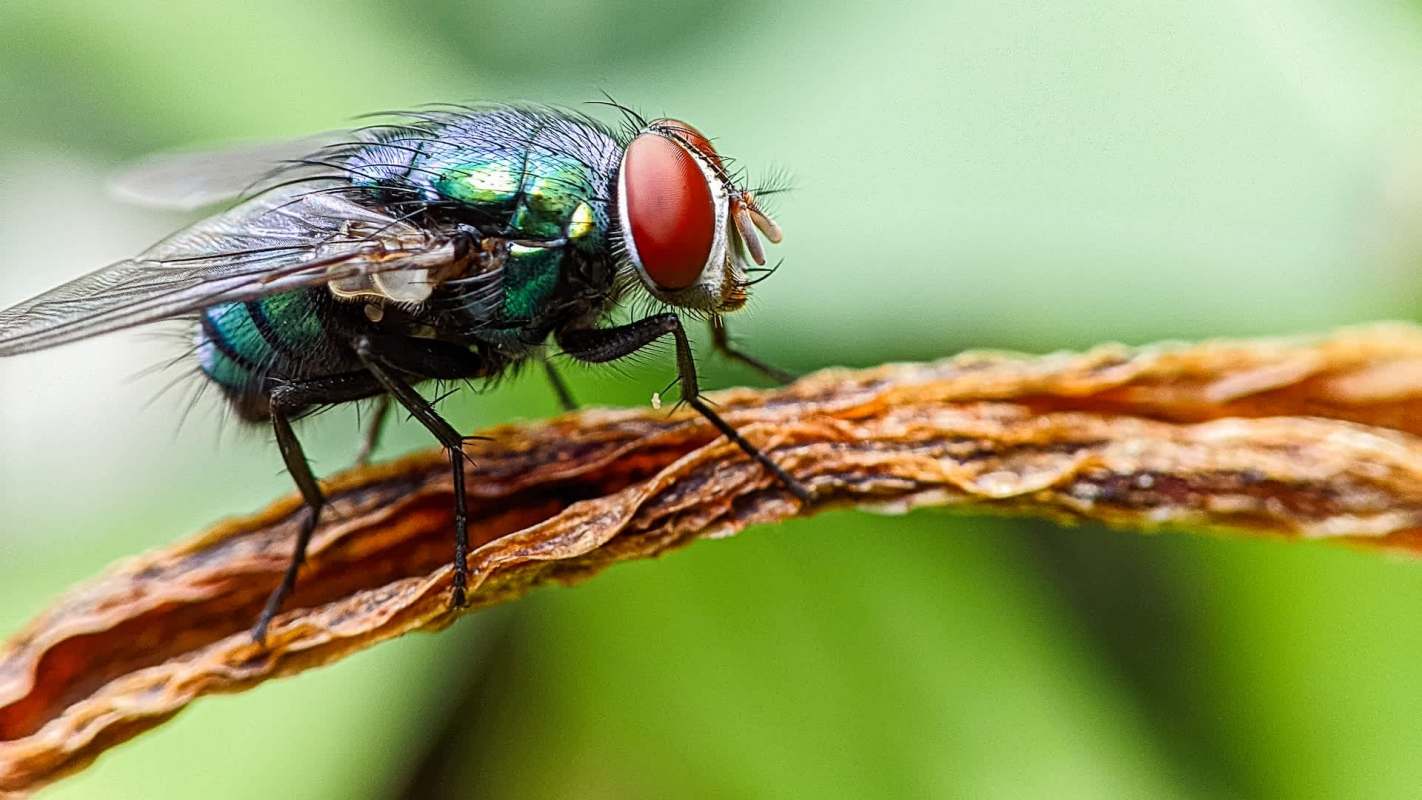
The change came after the return of the New World screwworm, a livestock parasite — this being the first detection in decades in the U.S. Its larvae feed on living tissue, causing serious injuries in animals.
U.S. agriculture officials had recorded a little more than 40 Texas and New Mexico cases by July 22 involving cattle, sheep, goats, and three dogs, according to IPM Newsroom.
TCD Picks » Quince Spotlight
💡These best-sellers from Quince deliver affordable, sustainable luxury for all




States across the country have responded by imposing extra conditions on pets coming either from parts of Texas near confirmed cases or from anywhere in the state. IPM Newsroom reported that those requirements commonly include entry permits, veterinary exam paperwork issued within five to seven days of travel, and in some cases preventive medication.
"It's been overwhelming to keep up with the (state) orders," Prater said.
Why does it matter?
When fewer animals can be transported, shelters lose one of the most important tools for creating space and helping pets find homes — leading to kennels filling up faster without ways to relieve the pressure.
Moving animals to other states has been a longstanding strategy for Texas shelters, especially for dogs that may wait much longer to be adopted locally and are more likely to find homes elsewhere.
Access to a veterinarian is a major hurdle, said Ellen Jefferson, president and CEO of Austin Pets Alive.
"Over 200 shelters in Texas do not have access to a veterinarian, so giving them even the medicine is really, really hard," she said.
She also said many rural shelters were already strained by crowding and thin budgets before the screwworm rules arrived. According to IPM Newsroom, some operate on roughly $100 per animal, an amount not even sufficient for basic care, necessities and food, let alone veterinary treatment.
For pets already stuck in overcrowded facilities, transport delays can mean the difference between reaching a foster or getting adopted into a forever loving home and staying in a shelter with limited room and resources.
What's being done?
Rather than halting transports entirely, rescue groups and veterinary specialists are working on ways to keep animals moving while reducing risk.
IPM Newsroom reported that some states first blocked animals from Texas, but a coalition that included the ASPCA and veterinary medicine schools later proposed inspection and treatment steps.
Common flea and tick medications can offer protection before travel, said Sandra Newbury, director of the University of Wisconsin's Shelter Medicine Program.
"We can kind of have our cake and eat it too, because we can be really careful," Newbury said.
Austin Pets Alive is meanwhile trying to serve as the "vet on record" for smaller shelters so they can get preventative treatments, according to IPM Newsroom. Jefferson said the group has also sought temporary policy changes that, according to IPM Newsroom, would allow remote oversight or let out-of-state veterinarians or trained volunteers administer those treatments.
To contain the pest, federal agriculture officials are relying on surveillance and the release of sterile flies to lower the amount of reproduction.
You can also check out this guide page on taking local action for more community-focused ways to pitch in to help animals in need.
"How can you tell a fly not to come over, cross state lines?" she said.
Jefferson summed up the broader shelter problem this way: "Everybody uses transport as a Band-Aid."

Get TCD's free newsletters for easy tips, smart advice, and a chance to earn $5,000 toward home upgrades. To see more stories like this one, change your Google preferences here.