


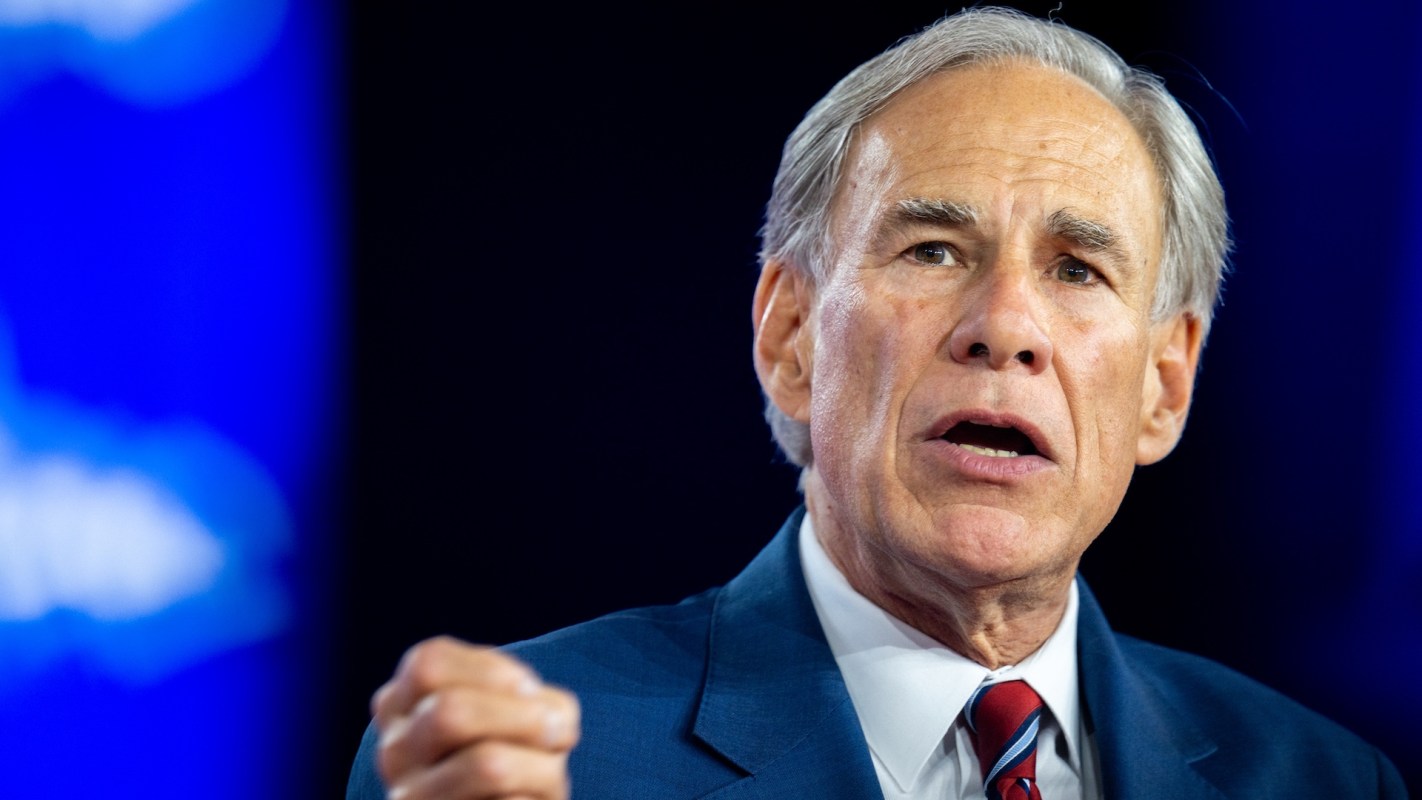
Governor Greg Abbott has ordered a pause on new data center approvals tied to Texas' main electric grid while regulators further examine the electricity and water demands those developments could place on the state's power grid and local supplies.
What happened?
According to The Texas Tribune, on August 3, Abbott instructed the Electric Reliability Council of Texas — the operator of the state's main grid — and the Public Utility Commission of Texas to audit proposed data centers seeking interconnection.
Abbott said, according to the Tribune, that projects failing the "comprehensive verification and audit" should not be allowed to connect to the grid.
Abbott also wants regulators to collect more information on incentives and ownership, as well as projected electricity demand, water use, power generation, cooling practices, and effects on local communities. In a statement, Abbott wrote, "Our top priority is to protect Texans' safety and quality of life."
The order could create an enormous pipeline of projects. The Tribune said ERCOT is monitoring more than 1,800 developments in its interconnection queue, together accounting for over 474 gigawatts of demand — more than five times the grid's peak-demand record. Abbott said about 90% of new power requests are tied to data centers.
Why does it matter?
Data centers have become a growing flashpoint in Texas because they can require enormous amounts of electricity and water, particularly when used for AI computing and large-scale cloud services. The Texas Tribune reported at least 335 data centers are already operating in Texas, with another 248 in the works.
TCD Picks » Quince Spotlight
💡These best-sellers from Quince deliver affordable, sustainable luxury for all




Abbott's order came after weak participation in a state survey about data center water and power use. At a hearing, lawmakers said that of the 377 companies contacted, only 28 responded.
AI is closely tied to the debate. While AI tools can help forecast electricity demand, improve grid operations, and optimize clean energy systems, the computing power behind them can also consume huge amounts of electricity and cooling water.
Texas has already seen mounting local resistance. Counties and cities have tried to slow projects, although some efforts have been rejected, rescinded, or challenged in court.
What's being done?
Abbott's directive is the strongest statewide effort yet to slow data center development while regulators sort out the scale and nature of what is being proposed.
The PUCT and ERCOT are already reviewing large-load projects, and PUCT Chair Thomas Gleeson said that the agencies want additional authority from the Legislature to regulate the industry.
Some industry groups support a faster but more detailed review process. Dan Diorio, spokesman for the Data Center Coalition, said, "Done correctly, this review can showcase the good actors in the data center industry rather than delaying them unnecessarily."
Others argue that an audit alone will not be enough without stricter laws. Texas Department of Agriculture Commissioner Sid Miller called the directive "all hat and no cattle," while environmental advocates and some lawmakers are pushing for a special legislative session focused on data center regulations.
"AI has real promise, but it shouldn't come at the cost of our water, our air, and our neighborhoods," said Luke Metzger, executive director of Environment Texas.

Get TCD's free newsletters for easy tips, smart advice, and a chance to earn $5,000 toward home upgrades. To see more stories like this one, change your Google preferences here.






