


A flesh-eating parasite capable of killing livestock and harming wildlife is still spreading in the U.S., with Texas accounting for nearly all confirmed cases so far.
Here's what to know
As Texas Public Radio reported, there are now 50 reported New World screwworm cases across the country, including 48 in Texas and two in New Mexico. The newest case involved a horse in Grant County, New Mexico.
The continued spread is keeping pressure on ranchers, veterinarians, and rural communities that depend on healthy animals and stable trade. Authorities say the parasite's northward movement has slowed, but they stress that the risk remains.
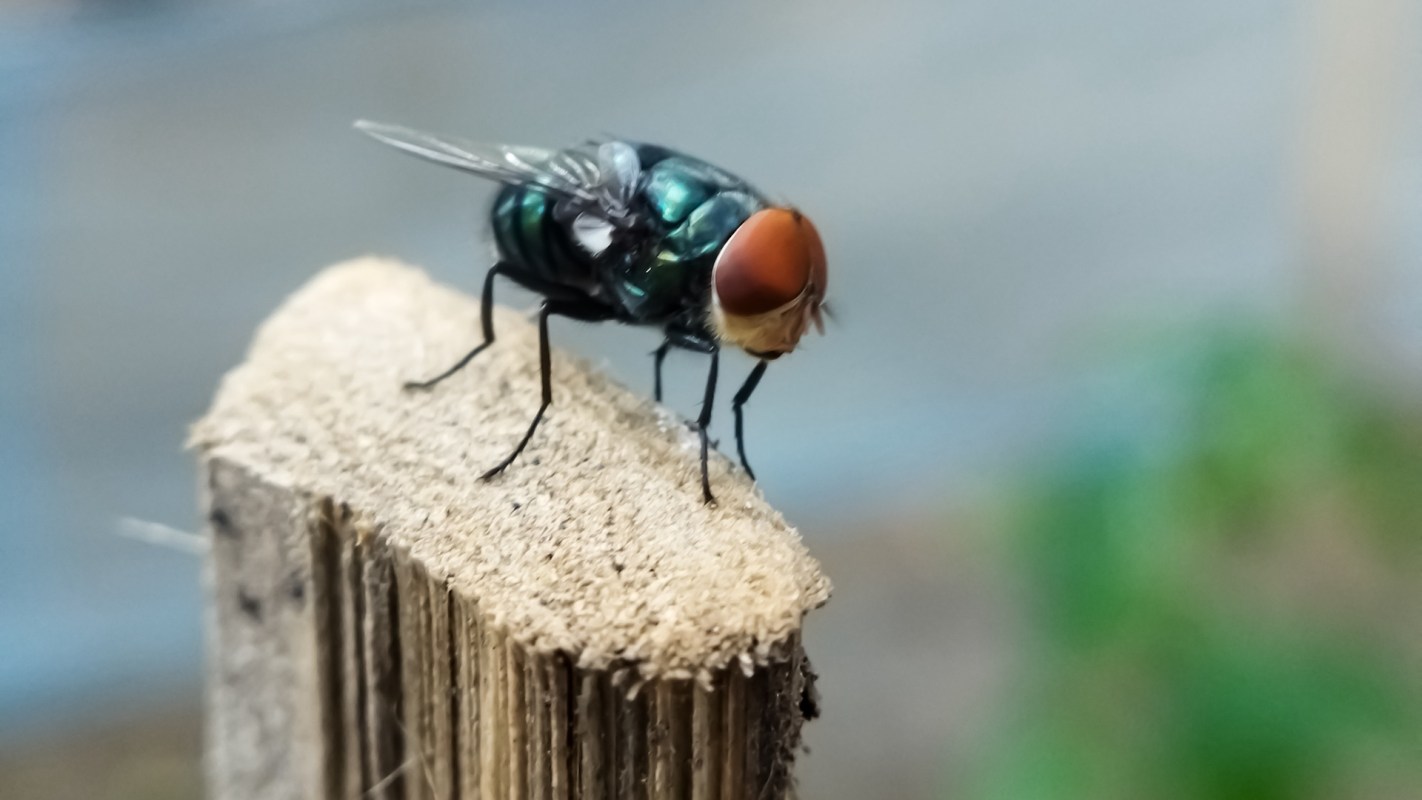
The New World screwworm is actually the larval stage of a fly. This particular fly lays eggs in wounds or body openings on warm-blooded animals, and after hatching, the larvae feed on living tissue.
Many animals can be affected, including cattle, horses, sheep, goats, pigs, deer, dogs, and, less commonly, cats. Instead of feeding on dead material the way common maggots do, these larvae tunnel into living flesh, which can enlarge wounds and lead to infection. If not treated, an infestation can kill the animal.
More background
Texas has one of the nation's largest livestock sectors, along with vast ranchland and abundant wildlife, creating conditions that could allow the parasite to spread and threaten local economies. The outbreak can strain wildlife health and veterinary services.
TCD Picks » Quince Spotlight
💡These best-sellers from Quince deliver affordable, sustainable luxury for all




The New World screwworm is not considered a food safety threat, since it targets living tissue in wounds rather than meat intended for consumers. Even so, outbreaks can still drive up costs for producers.
Human infestations are rare, according to the U.S. Department of Agriculture, but untreated wounds can still create risk in areas where the fly is circulating.
What's being done?
Texas Public Radio reported that the USDA has released more than 1 billion sterile flies in Texas since February and plans to boost production to 500 million flies a week so that females that mate with them produce no offspring.
Texas Biomed in San Antonio is set to host work to limit the parasite's spread. Flyttr plans to use the institute's high-containment laboratory to create more sterile flies.
There is also a tracker that is updated as new infestations are confirmed.
Texas animal health officials have begun loosening movement restrictions in parts of Gillespie, Kerr, Kimble, La Salle, and Webb counties. Even so, livestock producers are still being told to inspect animals regularly and avoid moving any with suspicious wounds before a veterinary exam.
Animal owners are being urged to watch for wounds that worsen instead of heal, foul-smelling drainage, swelling, visible larvae, or signs of pain and unusual behavior.
Hunters are advised to check harvested game for wounds or signs of infestation. Any suspected cases should be reported to wildlife officials immediately.
Agriculture Secretary Brooke Rollins said there is progress but "we're not out of the woods yet."
Where can I learn more?
These articles follow the outbreak as it spreads across Texas and nearby states.
• In Texas, feral hogs could carry the parasites north into Oklahoma as cases rise.
• In Zavala County, quarantine and millions of sterile flies followed Texas's second confirmed screwworm case.
• Texas officials confirmed 2 more flesh-eating screwworm cases, pushing the outbreak higher in days.
• Texas activated an emergency center after screwworm was confirmed in six U.S. cases.
• Before the first cases, Texas faced a $1.8 billion screwworm threat to livestock.

Get TCD's free newsletters for easy tips, smart advice, and a chance to earn $5,000 toward home upgrades. To see more stories like this one, change your Google preferences here.






