


Wendover Productions opens its Aug. 4 video essay on Texas growth with a scene of soccer fans making their way to a stadium on foot and by bike beneath mature trees.
That image is used to highlight a wider issue in Texas, where outward expansion can leave communities both hotter and harder to navigate without a car.
What's happening?
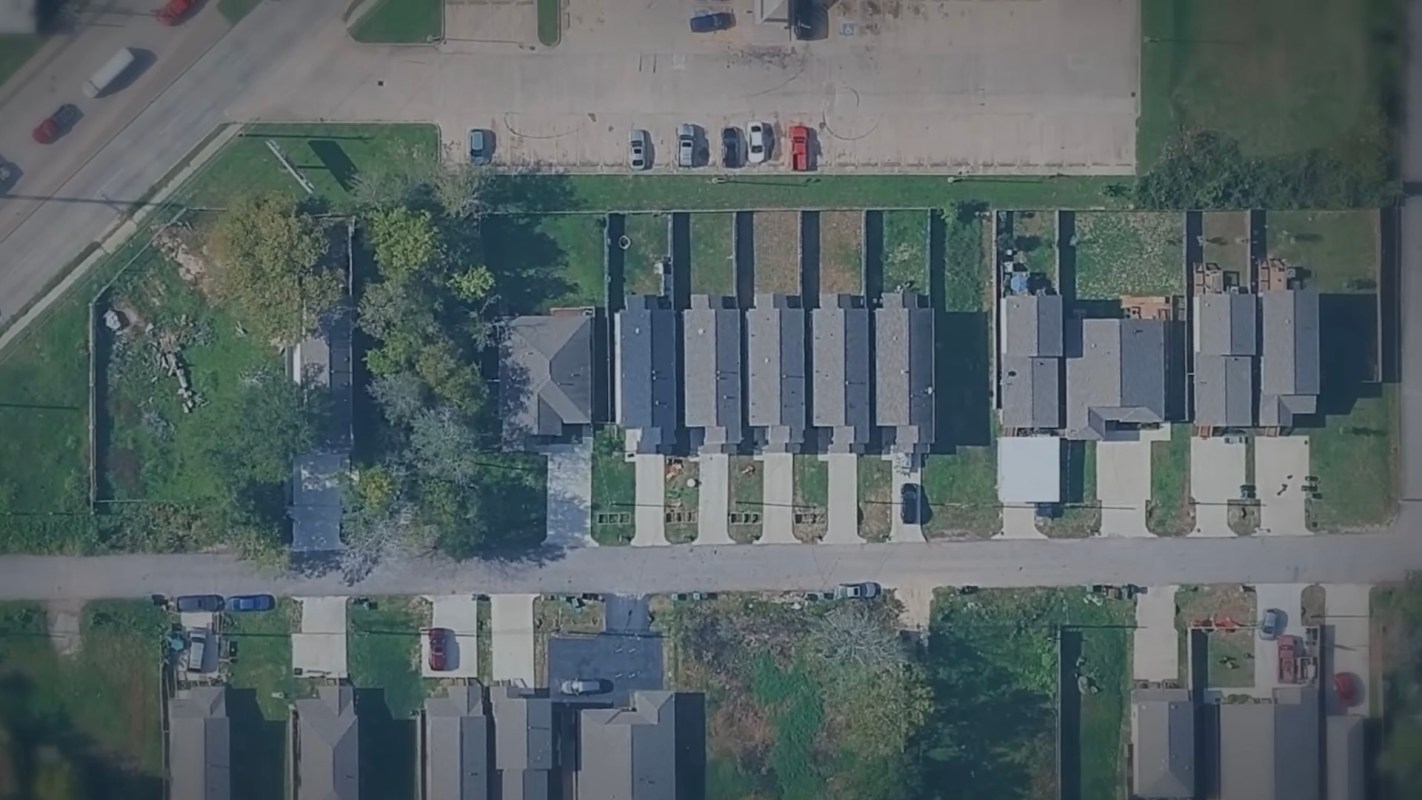
According to Wendover Productions' recent YouTube video, Texas has largely made room for growth by pushing development farther outward, adding roads, parking, and car-dependent projects instead of clustering homes and everyday destinations more closely together.
But as Texas communities continue to grow, the consequences depend on how that growth is absorbed. When development covers larger areas, residents often end up relying more heavily on driving for work, school, errands, and recreation.
This pattern shapes heat and livability. More pavement and less shade can turn hot weather from a simple annoyance into a factor that affects whether a neighborhood functions well at all.
"Houstonian here: That walk is brutal. It's 102 F and 100% humidity. On pavement. The heat index for that area is like 110 in the shade," one commenter said. "Parts of Houston are walkable but most people don't live in those areas so you have to drive to them if you wanna see them," another pointed out.
TCD Picks » Quince Spotlight
💡These best-sellers from Quince deliver affordable, sustainable luxury for all




Why does it matter?
For residents, sprawl can translate into longer trips and fewer workable alternatives when traffic builds or temperatures rise. Many families may simply spend more of the day getting where they need to go.
That concern is even more serious for people who cannot drive or do not want to. Children, older adults, and people with certain disabilities can be especially affected when communities are built around the assumption that every trip will happen by car. A neighborhood without nearby destinations, sidewalks, or shade can feel not only isolating but also unsafe.
Landscapes dominated by asphalt and limited tree canopy can intensify already high temperatures, making everyday activities more uncomfortable and, in some cases, more dangerous.
What can I do?
Communities where daily needs are easier to reach by walking or biking do not always require a long drive. In practice, that can mean local decisions that add shade, protect tree canopy, and make neighborhoods more connected instead of more sprawling.
Access to grocery stores, schools, parks, sidewalks, and transit can shape daily life just as much as square footage or a newer subdivision. Shade and street design matter too, especially in places where extreme heat is a regular part of life.
Texas's continued growth does not have to take the form of endless sprawl. For many communities, the tradeoffs of building farther and farther out are becoming harder to ignore.

Get TCD's free newsletters for easy tips, smart advice, and a chance to earn $5,000 toward home upgrades. To see more stories like this one, change your Google preferences here.






