


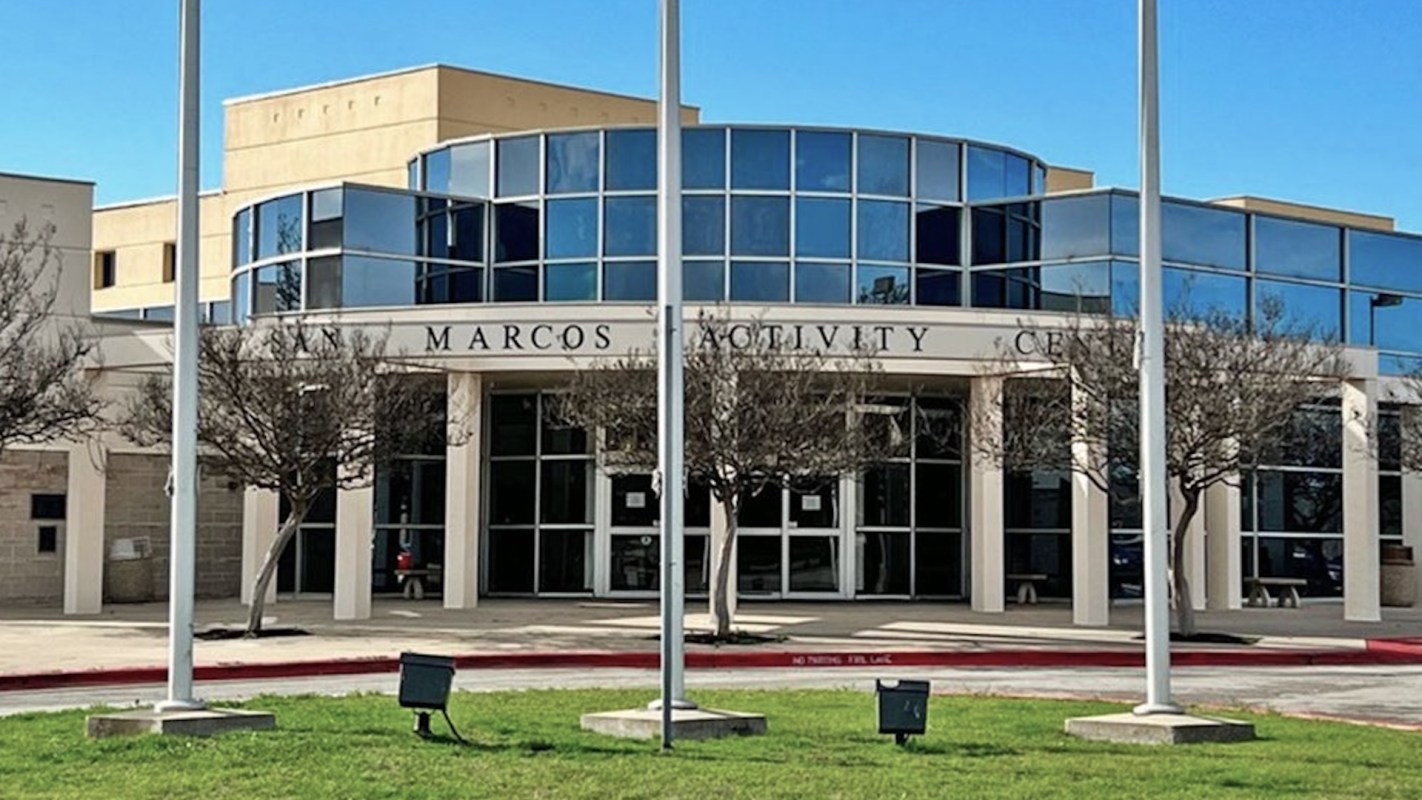
Questions about Texas' rush of AI data centers are coming into focus through a local fight near San Marcos, where a proposed facility behind one ranch has become part of a wider debate over how to add power-intensive development without straining the grid or worsening water shortages.
What's happening?
After hours of testimony, the San Marcos City Council in February rejected a rezoning request for the proposed data center behind Hays County rancher Torrie Martin's ranch, KUT reported. The dispute in her neighborhood has since fed into a much larger state conversation.
Martin's property sits opposite the Vistra Hays Power Plant in an area where service interruptions are already a regular problem. "We do have brownouts kind of regularly and we get our water shut off at least twice a month," Martin said.
The state is also contending with the scale of the demand. ERCOT said in April that requested power topped 400,000 megawatts, and KUT reported that data center developers accounted for nearly 89% of that total. To handle the volume, ERCOT adopted a new "batch process" in June to review projects in groups rather than handling them individually.
Governor Greg Abbott added another checkpoint in August, directing ERCOT and the Public Utility Commission of Texas to audit data centers in ERCOT's interconnection pipeline and saying no project should proceed until that review is complete.
Why does it matter?
At the heart of the debate is AI's growing dependence on the electric grid. The AI boom is fueling construction of huge data centers that can require vast amounts of electricity and, depending on the cooling method, large volumes of water while also prompting concerns about misuse, cybersecurity, and rising utility bills for households.
TCD Picks » Quince Spotlight
💡These best-sellers from Quince deliver affordable, sustainable luxury for all




How much water those facilities use can differ significantly, according to Margaret Cook, vice president of water and community resilience for the Houston Advanced Research Center. KUT reported that her team estimates Texas data centers could consume between 29 billion and 161 billion gallons of water a year by 2030.
Another major worry is the effect on electricity prices. Former state and federal energy regulator Alison Silverstein said, "Retail electric prices have gone up 20 to 25% since 2020. In Texas alone, they've gone up 29%." Costs could climb further as new transmission lines and power plants are built and competition intensifies for equipment and labor.
What's being done?
State officials are seeking to slow down the process so they can better understand these projects before approving them. The Public Utility Commission of Texas wants stronger accounting of data centers' electricity and water use, and KUT reported that one proposal would require the facilities to register with the state.
ERCOT's updated review system is also intended to better match how data centers tend to be proposed — in clusters. Brian Korgel, director of the Energy Institute at the University of Texas at Austin, said, "You're not just going to add one new data center here, you're probably going to add five or six in that location."
"This is my home, and so I'm just standing up for it," Martin said.
Others argue that utilities may use AI to better predict demand, boost efficiency, and fold more solar and wind into the system.
"It's not really 'can the grid — is the grid going to break' or whatever. Because ERCOT and the utilities are not going to let the grid break," Korgel said. "What's going to happen is that data centers won't get built and things like that. So the big question is 'can Texas keep up with this economic development or promise of economic development?"

Get TCD's free newsletters for easy tips, smart advice, and a chance to earn $5,000 toward home upgrades. To see more stories like this one, change your Google preferences here.






