


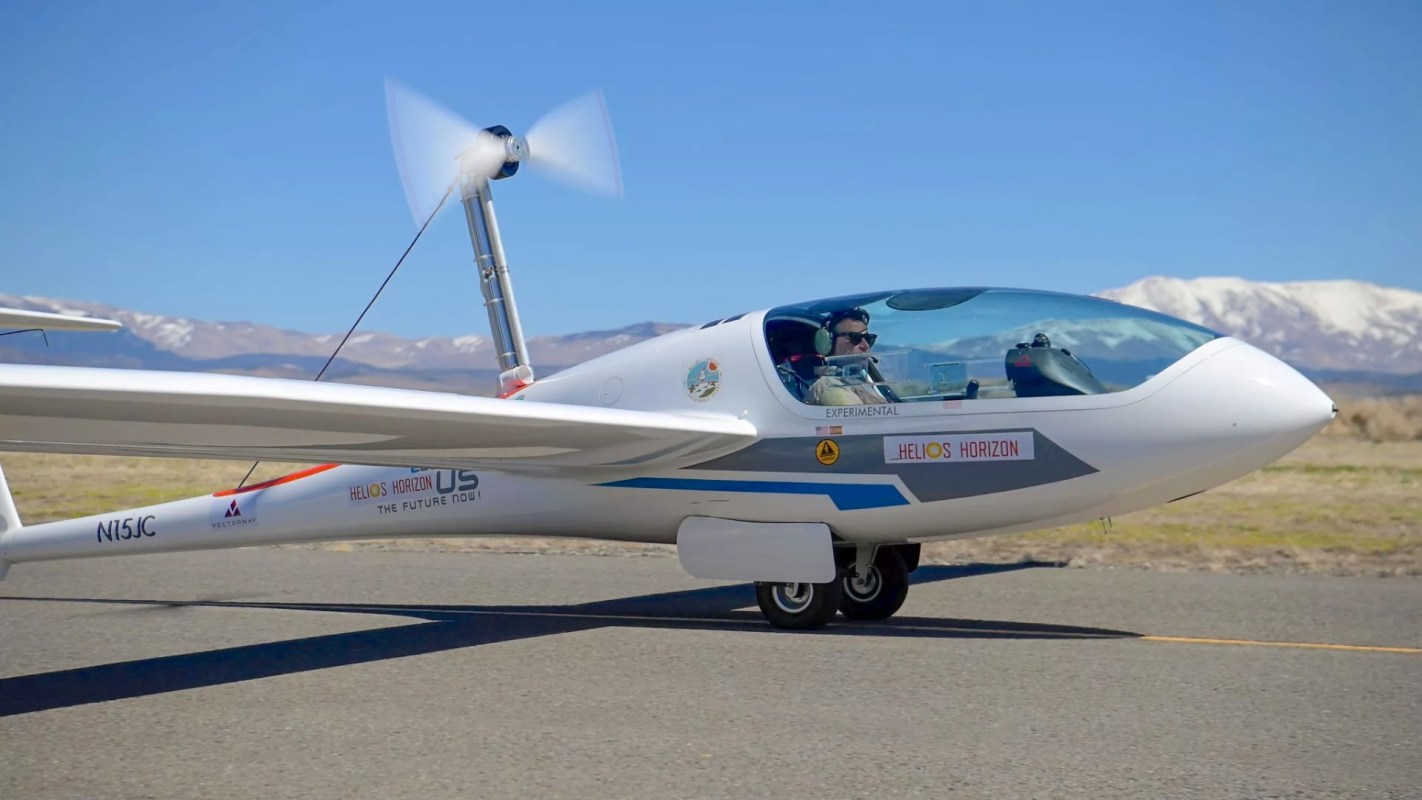
An electric plane's recent flight in Florida could unlock the door toward a cleaner future for aviation.
What happened?
According to the Sarasota Herald-Tribune, Florida-based test pilot and engineer Miguel Iturmendi achieved a major feat. He completed a test flight in an electric plane powered by solid-state batteries.
The Helios Horizon, the electric aircraft developed and piloted by Iturmendi, conducted the test flight in Sarasota, Florida. The Herald-Tribune mentioned that by using solid state batteries, Iturmendi doubled the range and flight time possible compared to a plane using common EV batteries.
The report also noted that the battery packs could be recharged from almost empty to 80% in less than 15 minutes.
Longer range and faster charging have been among the biggest barriers holding back electric aircraft. The Herald-Tribune reported that the recent test flight showed results that were stronger than expected during hours of sustained operation.
Iturmendi is no stranger to record-setting aircraft. He's worked on other high-profile experimental aircraft programs. And according to the Herald-Tribune, he received the Living Legend of Aviation Award in 2019 after achieving a world-record flight in a glider.
TCD Picks » Quince Spotlight
💡These best-sellers from Quince deliver affordable, sustainable luxury for all




Why does it matter?
Electric flight has long been viewed as a promising way to reduce pollution from transportation. But aircrafts face much stricter demands than cars when it comes to weight, safety, and performance.
A battery that can store more energy and recharge quickly could help bring electric aviation closer to real passenger or cargo service.
Faster charging could reduce downtime for commercial fleets, airports, and cargo operators, saving time and potentially lowering operating costs. More efficient electric planes could also help companies move goods with less reliance on conventional jet fuel.
Battery advances that improve safety, charging speed, and energy density can strengthen transportation systems overall, making them more resilient and easier to run after disruptions from severe weather.
What's being done?
According to the Herald-Tribune, the next step is to optimize the aircraft's systems and target a stratospheric flight later this year using solid-state battery power.
Iturmendi hopes to eventually use specialized wings fitted with solar panels and carry out a worldwide victory tour to promote electric aviation.
"For the first time, we have a battery technology that yields the range and charging times necessary to make commercial electric aviation viable, while providing the safety the flying public will demand," Iturmendi told the Herald-Tribune.

Get TCD's free newsletters for easy tips, smart advice, and a chance to earn $5,000 toward home upgrades. To see more stories like this one, change your Google preferences here.






