


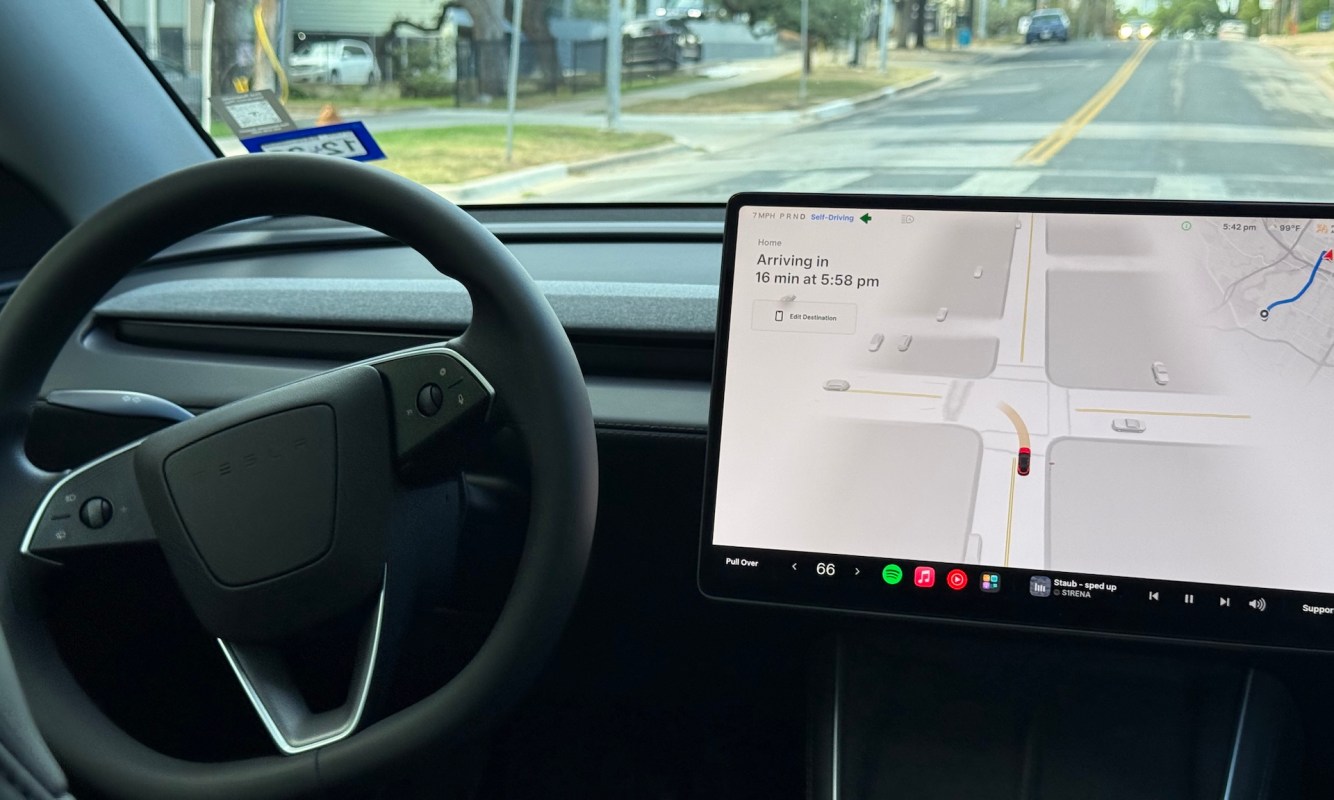
Eighty-eight Tesla owners in South Korea have lost their bid for refunds on Full Self-Driving software. A court found that the package never guaranteed fully autonomous operation, according to the Straits Times.
Here's what to know
The Seoul Central District Court ruled on Oct. 29 that Tesla had fulfilled its contractual duties, according to the Straits Times. The case began in 2024 with the owners' claim that the technology they paid Tesla for had not been delivered.
Level 5 automation would mean driving without any human intervention. The court didn't accept the owners' claim that FSD promised that capability.
The judges found that delivering the package's remaining features depended on technological progress and regulatory approval. Some capabilities, they noted, had already been provided.
A full refund wasn't justified by the wait for certain capabilities, the court found, because buyers understood that those functions might take a long time to become available.
More background
Older vehicles using Hardware 3 computers had gained city-driving capabilities and traffic light and sign recognition through a software update, according to the Straits Times. The ruling also acknowledged that customers had received functions from both basic Autopilot and Enhanced Autopilot.
TCD Picks » Quince Spotlight
💡These best-sellers from Quince deliver affordable, sustainable luxury for all




The ruling concerns Tesla's contractual obligations. It doesn't establish that the software provides fully autonomous driving.
The company's first-quarter production and delivery disclosure listed vehicle deliveries. Deliveries are a commonly used measure of the company's sales.
What's being done?
The Straits Times cited a report that 10 owners in China filed a joint lawsuit seeking FSD refunds and damages, which would amount to triple what they paid for either the software option or the vehicle.
Tesla didn't immediately respond to the decision. Delays caused by compliance with regulations in South Korea or abroad didn't make the automaker liable, the South Korean court determined.
Drivers weighing the gap between what a Tesla promises and what it delivers may want to check which features are active today versus which still depend on future updates and regulatory approval. For anyone considering making their next car an EV, the dispute reflects a specific distinction in Tesla's offering: functions already delivered versus additional capabilities that still depend on technology and regulatory approvals.
The lengthy wait is central to the owners' complaint. "Tesla Korea has been unable to implement the FSD system option in South Korea for more than eight years since it began selling it around March 2017," they said in the lawsuit.
Where can I learn more?
These similar stories center on other disputes between Teslas and buyers.
• Tesla reports Autopilot and FSD crashes to U.S. regulators but withholds details from public view.
• A Tesla owner says FSD missed a highway exit, prompting similar complaints from other drivers.
• Tesla's new crash-avoidance feature can take control of steering, even with FSD off.
• In Belgium, Tesla FSD exceeded posted speed limits and attempted illegal cyclist passes during testing.
• Tesla's FSD 14.3.10 handled downtown rush hour with surprising patience, even in hurry mode.

Get TCD's free newsletters for easy tips, smart advice, and a chance to earn $5,000 toward home upgrades. To see more stories like this one, change your Google preferences here.






