


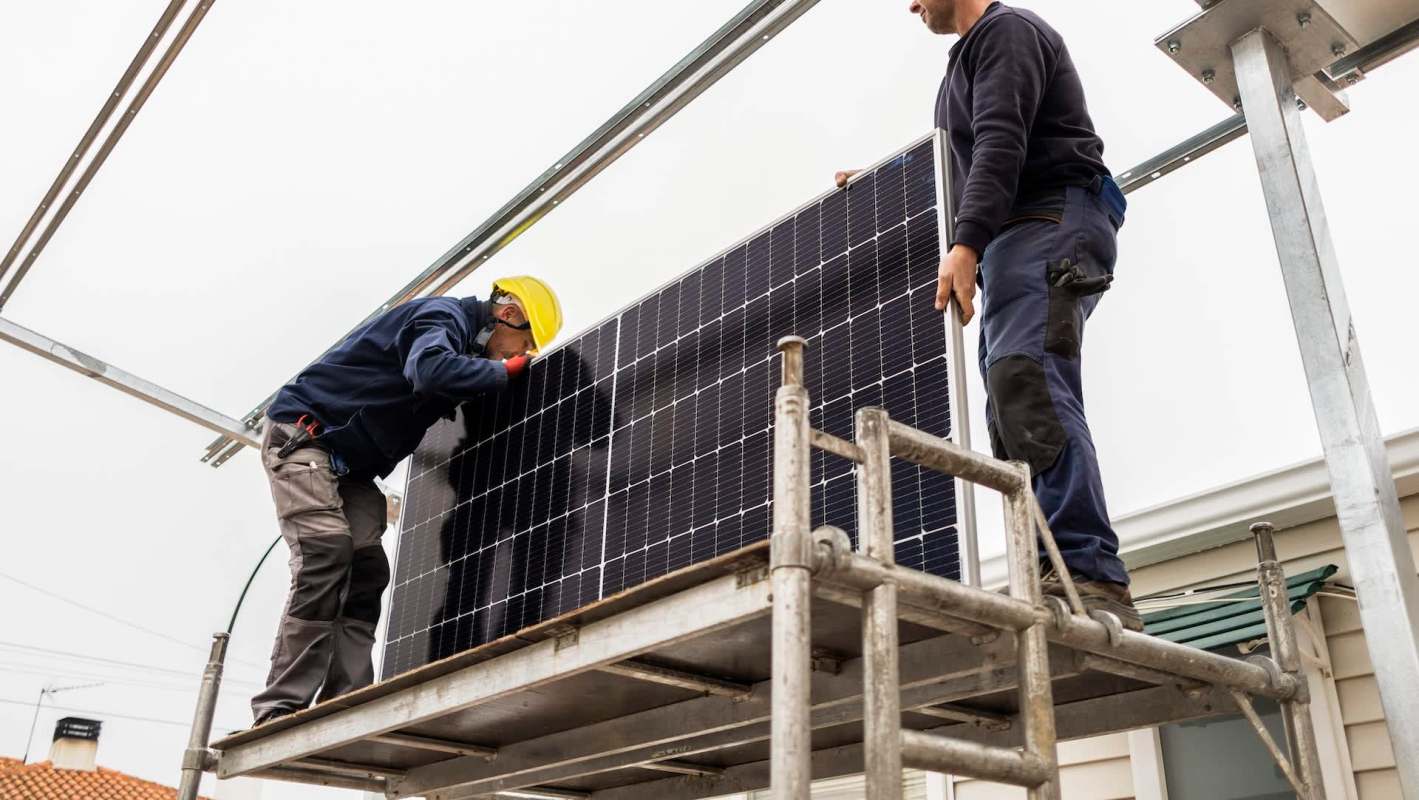
A solar owner thought a new 17.6-kilowatt setup might be falling short after seeing its peak output stall at around 12 kilowatts.
A key part of the r/TeslaSolar subreddit's explanation was the roof layout.
Here's what to know
In a thread on Reddit, the original poster described their setup and asked: "Why doesn't peak production reach close to 17.6kW? If I'm lucky it hits 12.x, but that's like a 36% loss at peak..."
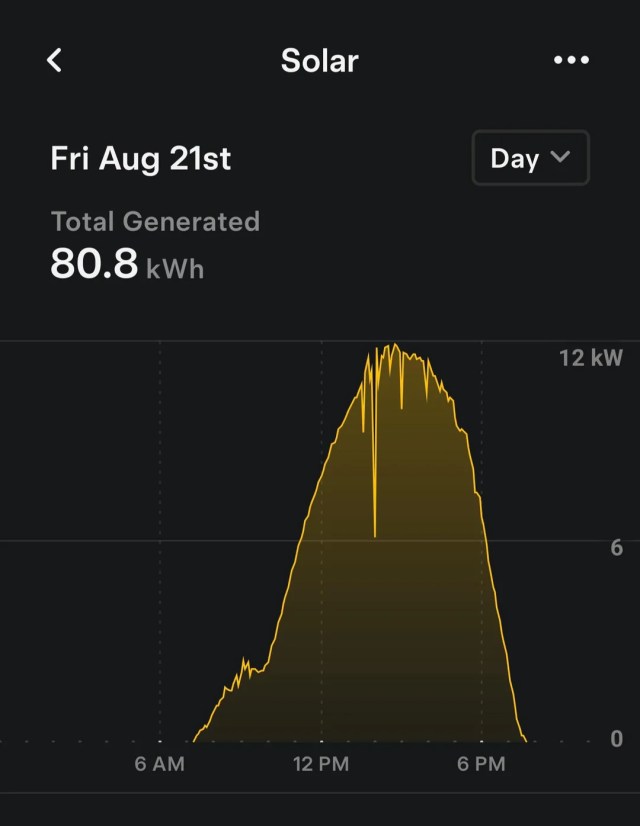
Questions like this are common after a system goes in, especially when the monitoring app number doesn't seem to line up. People replying said the 17.6-kW figure is the array's nameplate size, not a promise that the system will reach that output at one specific instant on an actual home.
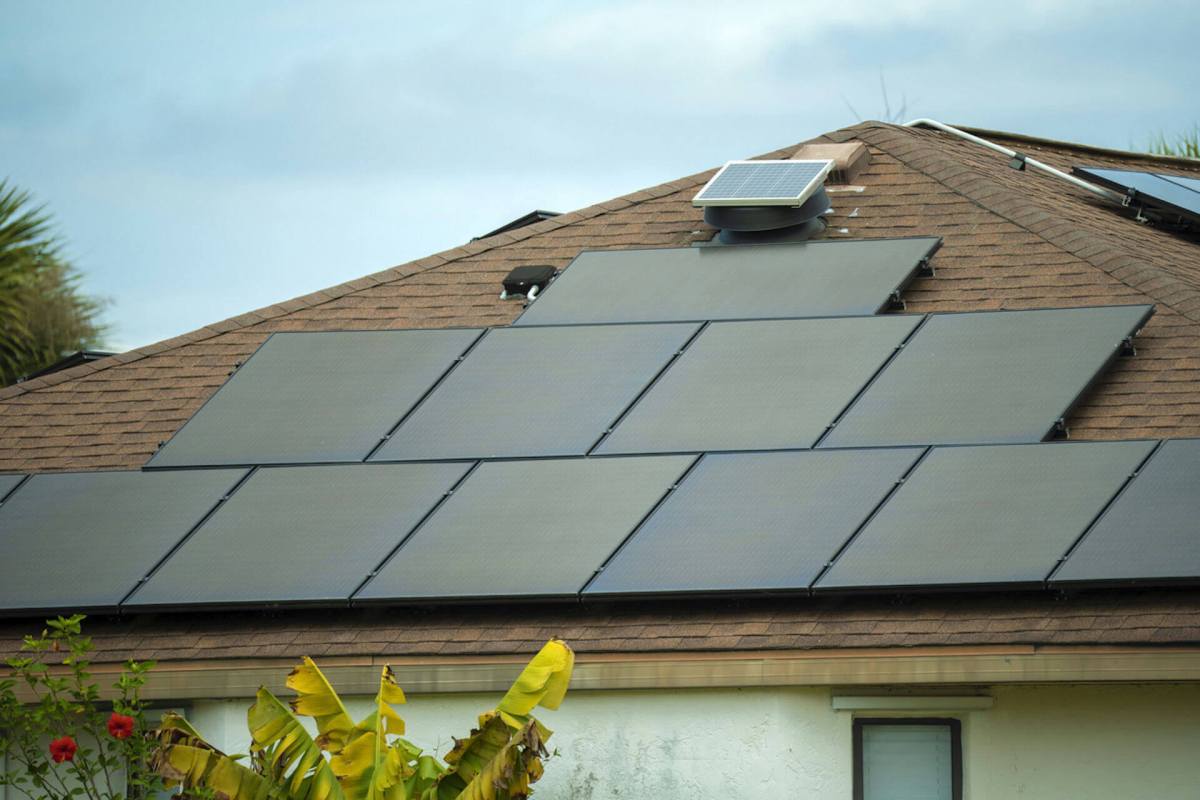
Because most panels are grouped on the west roof plane and only four modules are on the east side, the setup emphasizes later-day generation. With that in mind, a reported high near 12.x kW is not as unusual.
"You will never hit 17.6," a user replied. "The only time you might get close is when you get the edge of cloud effects."
If you enter with realistic expectations, going solar is one of the best ways to save money on home energy. Homeowners comparing designs can try EnergySage to get free solar installation estimates and compare quotes.
More background
With three Powerwall 3 units in the mix for this homeowner, the goal isn't just to hit the biggest possible number in the app for a brief moment. When an array leans heavily west, it can keep producing later in the day, which may align well with evening household use and battery charging.
Save $10,000 on solar panels without even sharing your phone number Want to go solar but not sure who to trust? EnergySage has your back with free and transparent quotes from fully vetted providers that can help you save as much as $10k on installation. To get started, just answer a few questions about your home — no phone number required. Within a day or two, EnergySage will email you the best local options for your needs, and their expert advisers can help you compare quotes and pick a winner. |

That is why commenters kept returning to the distinction between kilowatts and energy produced over time. The original poster was watching an instantaneous peak near 12.x kW, while the 17.6-kW figure refers to the full array's rated size.
In other words, a roof plan with most panels facing west can still be functioning as intended.
What can be done?
For someone trying to evaluate a similar situation, a good starting point is to verify whether the number in the proposal is a nameplate rating and then look at how the roof layout is distributed. Doing that can help separate a normal production pattern from a genuine equipment issue.
A user assessed: "You need to upsize when you can't have optimal panel placement to make up for it. ~12kW w/ west facing panels on a 17kW system isn't bad."
More From EnergySage
💡Go deep on the latest news and trends shaping the residential solar landscape


If you are still shopping, EnergySage can help the average person save up to $10,000 on solar purchases and installations.
EnergySage's solar map shows the average cost of a home solar panel system on a state-by-state level, as well as details on solar panel incentives for each state. Together, those resources can help homeowners get the best price for rooftop solar panels and access available incentives.
Adding battery storage to a solar setup is one of the best ways to protect your home during outages, save money on energy, and go off-grid. This is especially relevant in a configuration like this. Homeowners who want to compare battery options and pricing can explore EnergySage for information on home battery storage, including competitive installation estimates.
Where can I learn more?
A solar system's real-world performance does not always match the number printed on the contract.
• One Tesla owner saw a strange negative power bill after a confusing utility statement arrived.
• Elsewhere, a homeowner watching rooftop panels saw output surge past 1,050 watts on an 880-watt setup.
• Another homeowner found that cleaning the panels carefully sharply improved production without changing the system.

Get TCD's free newsletters for easy tips, smart advice, and a chance to earn $5,000 toward home upgrades. To see more stories like this one, change your Google preferences here.






